Key Takeaways
- •FDA/USDA treat pet gene edits as animal drugs, requiring safety review
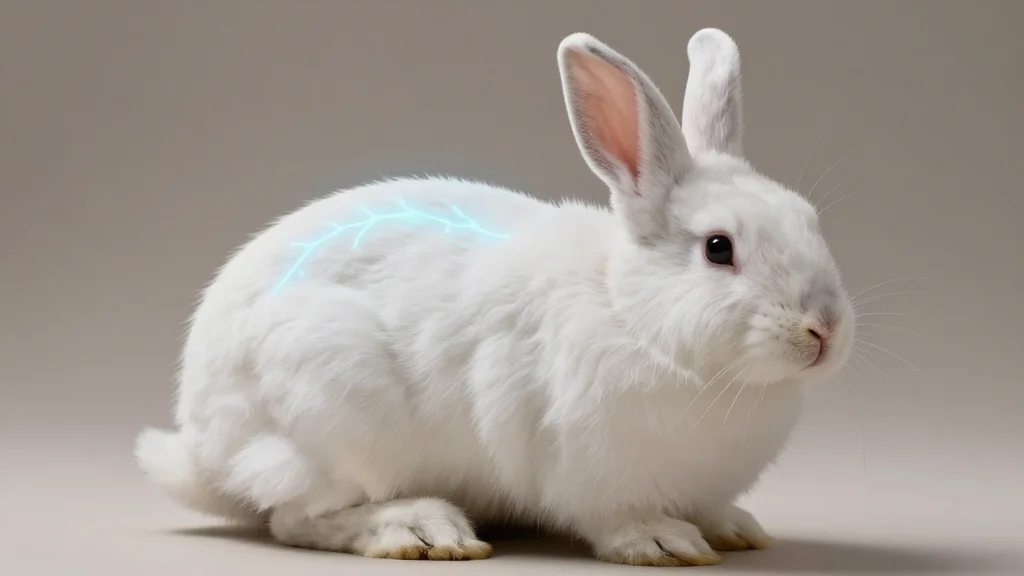
- •Los Angeles Project prototypes glow‑in‑dark rabbits using GFP gene
- •Gene therapies could push dog lifespan to 20‑30 years
- •Sterile engineered pets protect patents and block environmental spread
- •Designer traits may replace unhealthy pure‑breed standards, boosting welfare
Pulse Analysis
The convergence of CRISPR technology and the pet industry is creating a new frontier for animal biotechnology. While gene editing has already transformed human therapeutics and agricultural crops, pets represent a low‑risk, high‑interest segment where regulatory pathways are clearer. The FDA and USDA treat each genetic modification as an animal drug, demanding rigorous safety data for the animal and the ecosystem. This framework, combined with a consumer base eager for novelty, is attracting venture capital and prompting startups to file INDs and seek approvals that could pave the way for commercial releases within the next decade.
Beyond novelty, the real value proposition lies in health and longevity. Companies like Rejuvenate Bio are adapting human‑focused gene therapies to treat chronic conditions in dogs and cats, potentially extending average lifespans from 10‑15 years to 20‑30 years. Longer‑lived companions could reduce the frequency of veterinary interventions and create a recurring revenue stream for gene‑therapy providers. Simultaneously, designers can embed traits such as hypoallergenic coats, non‑shedding fur, or even behavioral modifications that make pets more trainable and less aggressive, addressing long‑standing welfare concerns associated with selective breeding.
Ethical debates will shape adoption rates, especially as engineered pets compete with increasingly sophisticated robotic companions. While robotic pets sidestep animal‑welfare issues, they lack the biological authenticity many owners cherish. Conversely, genetically engineered animals raise questions about ecological impact, patent enforcement, and the moral limits of human control over other species. As regulations tighten and public sentiment evolves, the market is likely to bifurcate: one segment will embrace bio‑engineered living pets for their tangible benefits, while another will gravitate toward synthetic alternatives. The outcome will determine whether the pet industry’s future is dominated by living designer animals or their artificial counterparts.
Genetically Engineered Pets Are Coming
Comments
Want to join the conversation?