Hantavirus Panic in the Skies? Experts Advise On Your In-Flight Risk
Key Takeaways
- •Andes hantavirus case involved a passenger removed before KLM flight departure
- •Human-to-human hantavirus transmission is extremely rare and not endemic in U.S.
- •Aircraft HEPA filters continuously refresh cabin air, limiting airborne pathogen spread
- •Simple measures—open vents, hand hygiene, seat changes—further reduce risk
Pulse Analysis
Hantavirus, a zoonotic disease carried by rodents, gained headlines after a recent cruise ship outbreak and a tragic case involving the Andes strain on a KLM flight. Unlike the more common Hantaan or Sin Nombre viruses, the Andes variant can, in rare instances, spread between humans, but such events are confined to isolated clusters and have not been documented as endemic in the United States. Understanding the transmission pathways—primarily aerosolized rodent excreta—helps put the airline incident into perspective and underscores why the overall threat to passengers remains minimal.
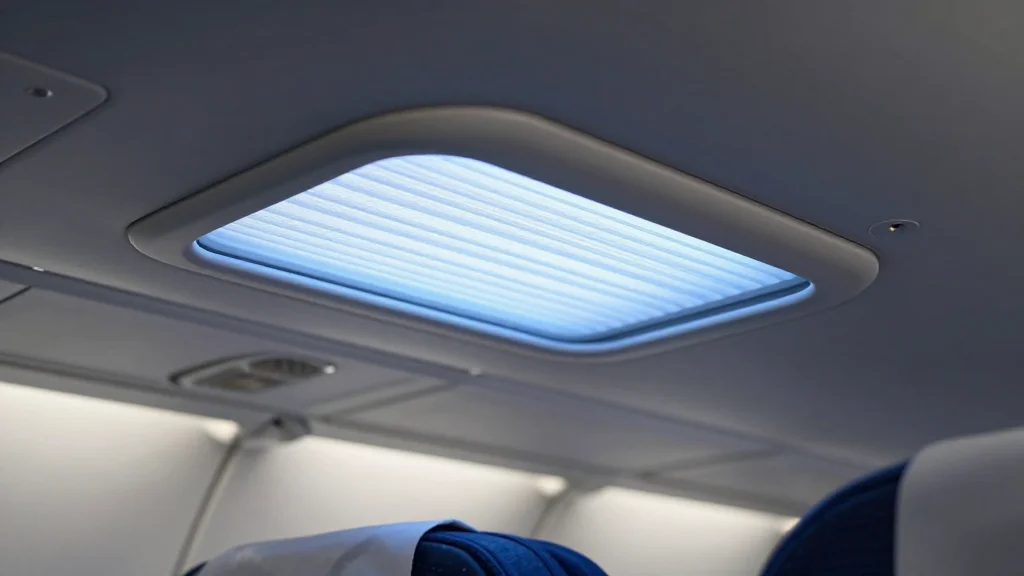
Commercial aircraft are equipped with high‑efficiency particulate air (HEPA) filters that capture 99.97% of particles as small as 0.3 microns, far smaller than the hantavirus particle itself. Combined with a cabin air exchange rate of roughly 20–30 air changes per hour, the system continuously introduces fresh, filtered air, effectively diluting any airborne contaminants. This engineering approach mirrors the measures that curbed COVID‑19 spread on planes and explains why experts view the in‑flight environment as a low‑risk setting for hantavirus transmission, despite the passenger’s brief presence on the flight.
For the travel industry, clear communication about these safeguards is crucial to maintaining consumer confidence. Health authorities’ swift contact‑tracing efforts demonstrate a proactive stance, while simple passenger actions—keeping overhead vents open, using hand sanitizer, and relocating seats if someone appears ill—provide an added layer of reassurance. As airlines continue to emphasize hygiene protocols, the hantavirus episode serves as a reminder that robust ventilation, combined with informed traveler behavior, can mitigate even rare infectious threats, preserving the reliability of global air travel.
Hantavirus Panic in the Skies? Experts Advise On Your In-Flight Risk
Comments
Want to join the conversation?