Key Takeaways
- •Plastisphere microbes possess more functional gene copies.
- •Genomes are larger than those of natural marine plankton.
- •Biofilm provides nutrients, UV shielding, and carbon utilization.
- •Functional bacterial groups similar in Pacific and Atlantic.
- •Microbes use plastic as habitat, not food source.
Pulse Analysis
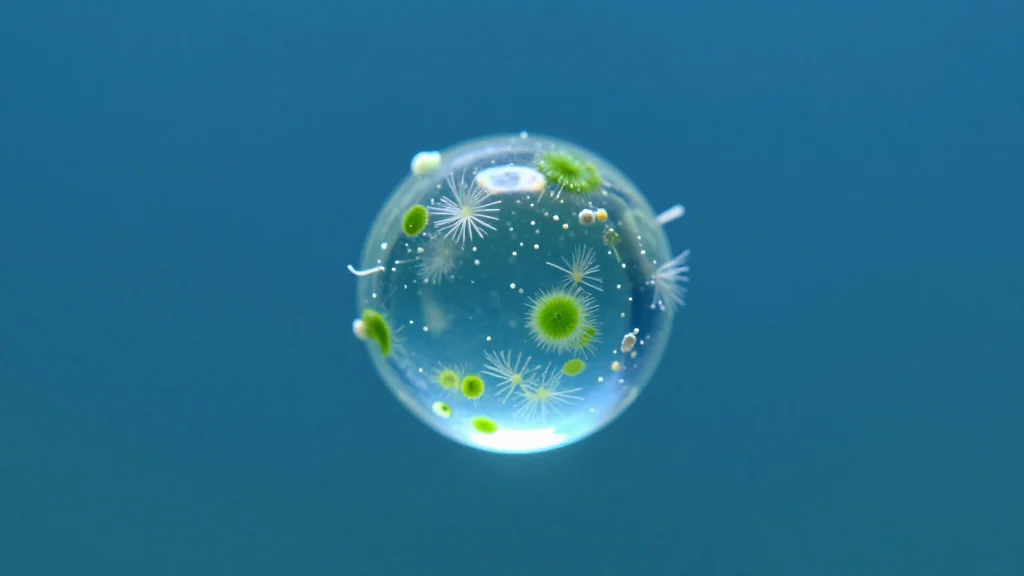
The term "plastisphere" describes the complex microbial communities that colonize floating plastic debris in the world’s oceans. Recent expeditions aboard the research vessels SONNE and POSEIDON collected macro‑plastics from the Pacific and Atlantic gyres, extracting DNA for metagenomic analysis. By comparing these plastisphere metagenomes with those of native plankton, scientists uncovered a distinct functional signature: an abundance of genes linked to nutrient acquisition, stress response, and unconventional photosynthesis, suggesting that plastic surfaces act as artificial substrates fostering unique ecological processes.
A striking outcome of the study is the markedly larger genome size of plastisphere microbes relative to their planktonic counterparts. Evolutionarily, many marine microbes streamline their genomes to survive in nutrient‑poor waters, yet the plastisphere’s shared metabolic network supplies a richer micro‑environment. This enables microbes to maintain redundant pathways for carbon utilization, UV‑damage repair, and even anoxygenic photosynthesis, effectively turning plastic into a nutrient hub. Elevated chlorophyll a levels within the biofilm further indicate that these communities can generate more biomass than surrounding waters, potentially creating localized eutrophic hotspots that could ripple through marine food webs and biogeochemical cycles.
From a policy perspective, the research dispels the notion that ocean microbes will naturally mitigate plastic waste. Since microbes treat plastic as a habitat rather than a food source, biodegradation remains negligible. Consequently, the plastisphere may exacerbate ecological imbalances rather than resolve them. Decision‑makers must therefore prioritize upstream interventions—such as reducing single‑use plastics, improving waste management, and supporting cleanup technologies—to prevent further expansion of these artificial ecosystems. Ongoing investigations into the long‑term impacts of plastisphere biofilms on carbon sequestration and nutrient fluxes will be critical for shaping effective marine conservation strategies.
How microbes survive in the plastisphere
Comments
Want to join the conversation?