Key Takeaways
- •Sound waves travel through ear canal to vibrate eardrum.
- •Ossicles amplify vibrations before reaching the cochlear membrane.
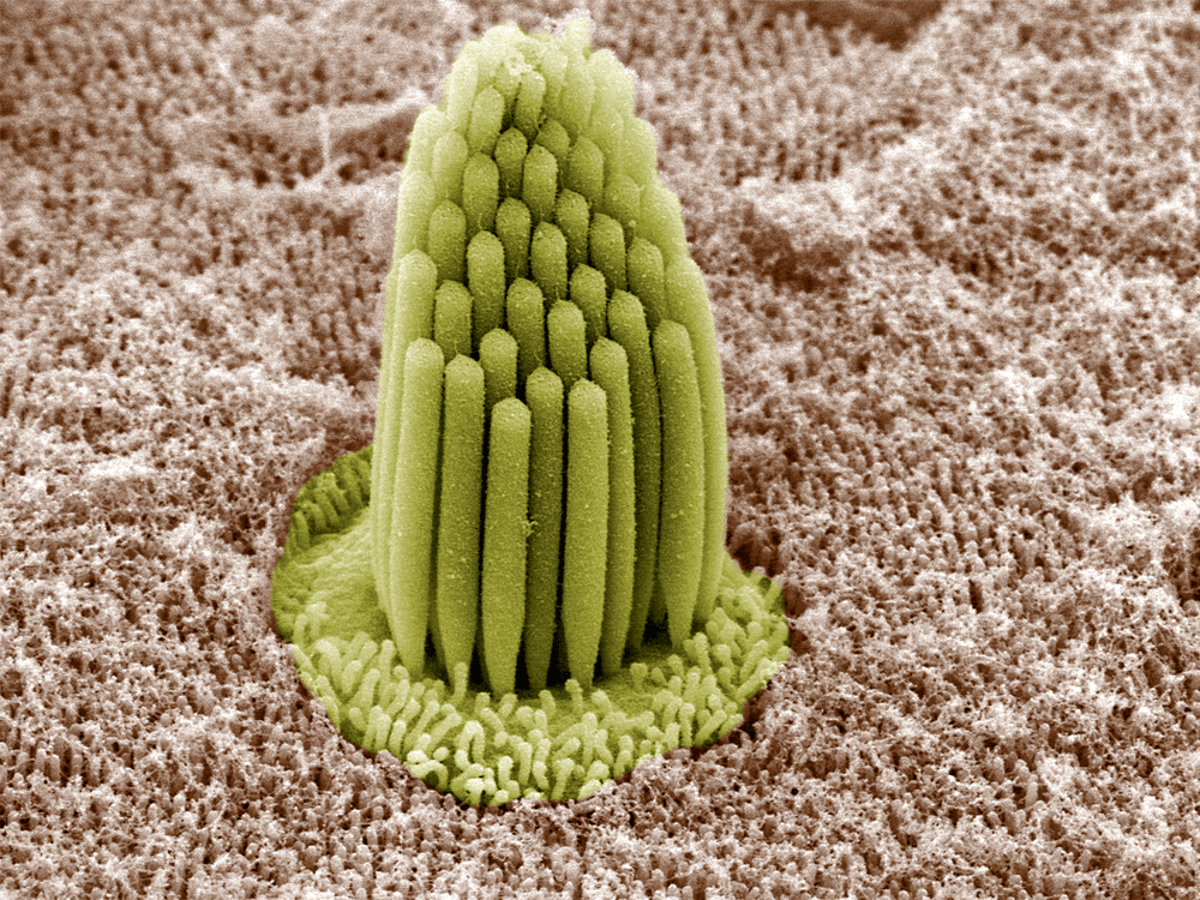
- •Stereocilia actively boost fluid motion, enhancing signal conversion.
- •Bending of hair bundles triggers chemical release to fire auditory nerves.
- •Cochlea's fluid waves translate mechanical energy into electrical impulses.
Pulse Analysis
The human ear is a marvel of mechanical engineering, converting airborne vibrations into neural signals with astonishing precision. Sound enters the external auditory canal, strikes the tympanic membrane, and is transmitted through the ossicular chain—malleus, incus, and stapes—that magnifies the pressure before it reaches the oval window of the cochlea. Inside the fluid‑filled spiral, the motion of the basilar membrane creates shear forces that deflect microscopic hair‑like projections called stereocilia. This cascade transforms acoustic energy into the electrical impulses the brain interprets as sound. The precise geometry of the ossicles and the stiffness gradient of the basilar membrane are critical for frequency discrimination.
Recent studies have revealed that stereocilia are not passive receivers but active amplifiers. By consuming metabolic energy, the outer‑row bundles generate a force that pushes the surrounding fluid beyond the level imposed by the incoming wave, a process known as cochlear amplification. This nonlinear boost sharpens frequency selectivity and improves sensitivity, allowing humans to detect sounds as quiet as 0 dB SPL. The underlying molecular motors, primarily the protein prestin, have become focal points for researchers seeking to understand age‑related hearing loss and ototoxic drug effects. Disruption of this amplification is a hallmark of certain genetic forms of deafness, underscoring its clinical relevance.
The active role of stereocilia opens new avenues for therapeutic innovation. Engineers are mimicking the amplification mechanism in next‑generation hearing aids and cochlear implants, aiming to restore the ear’s natural dynamic range rather than merely amplifying sound. Gene‑therapy trials targeting prestin expression show promise in reversing sensorineural deficits in animal models. As the scientific community deciphers the precise biophysics of hair‑cell motility, the prospect of pharmacological agents that boost intrinsic amplification could reshape treatment paradigms for millions of patients worldwide. Regulatory approval pathways are being shaped to accommodate these biologically inspired devices, promising faster market entry.
Inside an Ear
Comments
Want to join the conversation?