Key Takeaways
- •Methane acts as a climate ‘emergency brake’ for fast warming mitigation
- •Satellite data now spotlights the world’s largest methane emitters
- •Buenos Aires landfill releases 7.6 t/h, matching one million SUVs’ impact
- •Brazil, Chile, Turkey each have three waste‑sector super‑emitters
- •STOP Methane reports aim to pressure firms into emission clean‑up
Pulse Analysis
The climate‑policy landscape has shifted dramatically as scientists and advocates recognize methane’s outsized warming power. While carbon dioxide dominates long‑term strategies, methane’s 28‑fold higher heat‑trapping ability over a 20‑year horizon makes it the most effective short‑term lever. International accords such as the Global Methane Pledge have galvanized governments and corporations to pledge rapid cuts, framing methane reduction as an urgent “emergency brake” on global temperature rise.
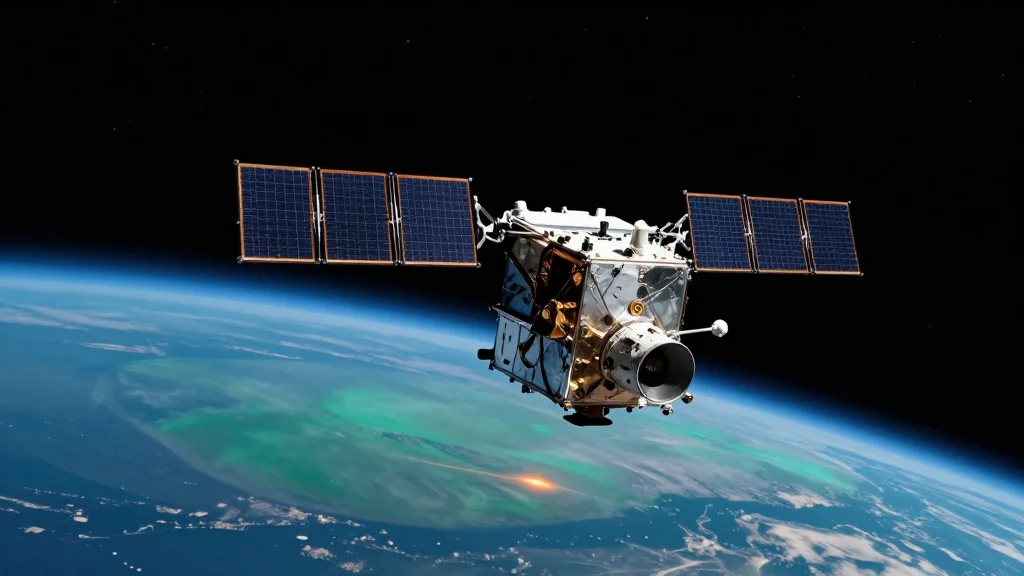
UCLA’s STOP Methane project translates this urgency into actionable intelligence by harnessing data from the Tanager‑1 satellite and NASA’s EMIT sensor aboard the International Space Station. By cross‑referencing raw observations with Carbon Mapper’s public portal, the team compiled two definitive 2025 rankings: the top 25 waste‑sector landfills and the top 25 oil‑and‑gas facilities by methane emission rate. The leading waste source—a Buenos Aires landfill emitting 7.6 tonnes per hour—illustrates the scale of hidden leaks, while Brazil, Chile and Turkey each contribute multiple high‑emitters, highlighting regional hotspots that demand targeted policy.
For investors, regulators and waste‑management firms, these transparent leak inventories reshape risk assessments. Companies now face measurable exposure to climate‑related fines, reputational damage, and capital‑allocation penalties if they ignore the satellite‑verified data. Conversely, firms that proactively remediate can capture green‑finance incentives and bolster ESG credentials. As satellite monitoring becomes routine, the pressure to close super‑emitters will intensify, turning methane transparency into a competitive advantage for the early adopters of clean‑up technologies.
Methane, Exposed
Comments
Want to join the conversation?