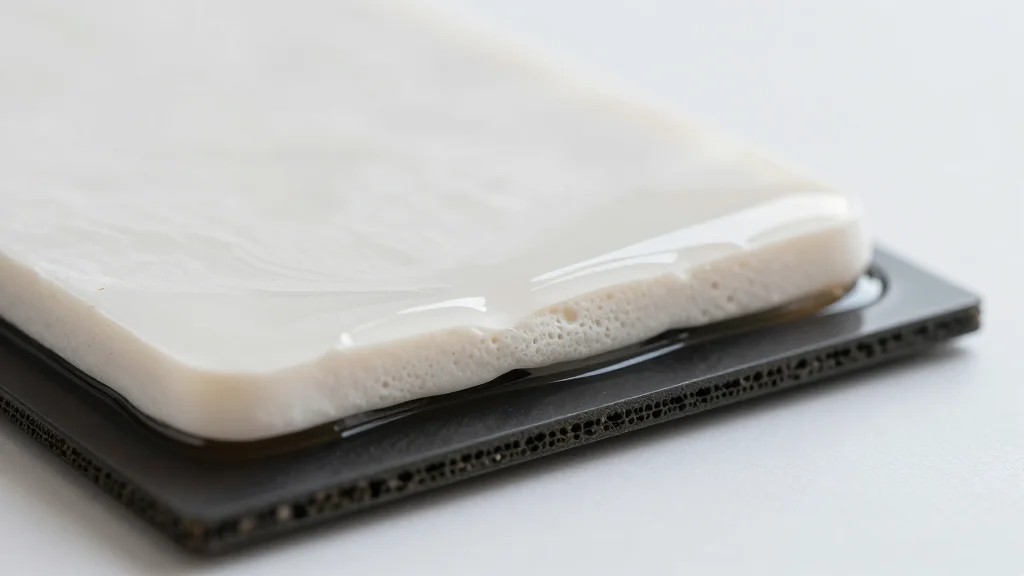
Nanoscale Water Channels in Clay Enable Sustainable Supercapacitor
Key Takeaways
- •Blue Capacitor stores charge using pure water confined in 1‑nm clay channels
- •Device operates at 1.6 V and endures over 60 000 charge cycles
- •Eliminates need for salts or acids, enhancing safety and sustainability
- •Combines clay minerals with graphene to create conductive nanofluidic pathways
- •Potential for grid storage, renewable integration, and fast‑charging electronics
Pulse Analysis
Supercapacitors have long been prized for their rapid charge‑discharge capability and longevity, yet most rely on electrolyte formulations that contain salts, acids or organic solvents. These chemicals pose safety hazards, add cost, and complicate recycling. Recent advances in nanofluidics suggest that confining water to sub‑nanometer spaces can dramatically alter its dielectric and transport properties, making it a viable medium for charge storage without the need for additives. The Blue Capacitor leverages this principle, turning a ubiquitous material—water—into a high‑performance electrolyte by embedding it in the atomic‑scale pores of clay minerals.
The Hamburg team’s device achieves a 1.6‑volt operating window, unusually high for pure‑water systems, and demonstrates over 60,000 stable cycles in laboratory testing. By pairing the clay’s nanoscopic channels with graphene’s exceptional conductivity, the researchers created a dense network of nanofluidic pathways that facilitate swift ion movement while maintaining structural integrity. This architecture not only boosts energy density but also sidesteps the corrosion and toxicity concerns associated with traditional electrolytes, aligning with broader sustainability goals in energy storage.
If the technology can be scaled, it could reshape how utilities and manufacturers approach grid‑level storage and fast‑charging electronics. The reliance on abundant, low‑cost materials—clay, water, carbon—offers a clear advantage for large‑scale deployment, especially in regions where supply chains for specialty chemicals are limited. Future work will need to address manufacturing tolerances, long‑term material stability, and integration with existing power‑management systems, but the concept already signals a shift toward greener, safer supercapacitors that complement renewable energy portfolios.
Nanoscale water channels in clay enable sustainable supercapacitor
Comments
Want to join the conversation?