NASA Updated Artemis III and SpaceX’s Role Just Got More Complicated
Key Takeaways
- •NASA shifted Artemis III to low‑Earth‑orbit rendezvous test
- •Starship HLS relies on V3 launch data before 2027 docking
- •NASA has invested nearly $7 billion in HLS development
- •Orbital refueling requires about ten tanker launches for Moon landing
- •SpaceX’s Starship milestones now tie directly to its Mars‑bonus compensation
Pulse Analysis
NASA’s latest Artemis III architecture marks a strategic pivot from a direct Moon landing to a low‑Earth‑orbit validation exercise. By keeping the Orion crew in orbit and having them dock with both SpaceX’s Starship HLS pathfinder and Blue Origin’s Blue Moon Mark 2, the agency creates a high‑stakes test of docking, communications, and navigation systems. This approach buys time for the more ambitious Artemis IV landing slated for 2028, while still delivering a tangible milestone that demonstrates interoperability between competing lunar lander designs.
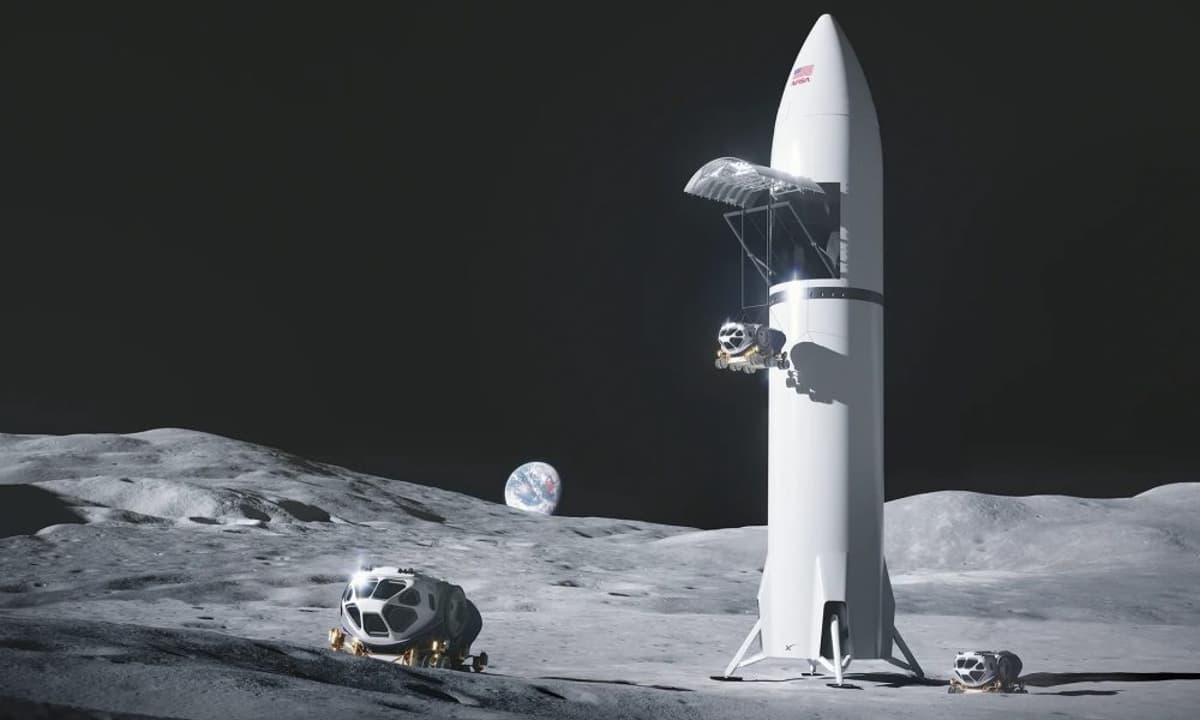
The technical hurdles are formidable. SpaceX’s HLS is essentially a repurposed version of the Starship V3 upper stage, meaning the upcoming Flight 12 must prove the vehicle’s reliability at scale before any crewed docking can be attempted. Moreover, the HLS concept hinges on orbital refueling—a capability never demonstrated at the required magnitude. NASA estimates roughly ten tanker launches will be needed to fill a propellant depot, a logistical challenge that adds both cost and schedule risk. Success or failure of these early flights will shape the feasibility of a 2027 docking test and set the tone for the subsequent lunar descent.
From a business perspective, the stakes are equally high. NASA’s near‑$7 billion investment in HLS development places intense pressure on SpaceX to deliver cost‑effective solutions, especially as the agency signals a desire to curb expenses. Simultaneously, SpaceX’s upcoming IPO, targeting a valuation near $1.75 trillion, and Elon Musk’s Mars‑bonus compensation structure tie the company’s financial outlook to the success of its lunar and interplanetary ambitions. The interplay of government funding, commercial risk, and competitive dynamics with Blue Origin will shape the next decade of U.S. lunar exploration.
NASA updated Artemis III and SpaceX’s role just got more complicated
Comments
Want to join the conversation?