New Paper by Ruuska Et Al: Gender Reassignment Does Not Reduce Psychiatric Morbidity in Gender-Dysphoric Youth
Key Takeaways
- •Study: 2,083 Finnish GD youths vs 16,643 matched controls.
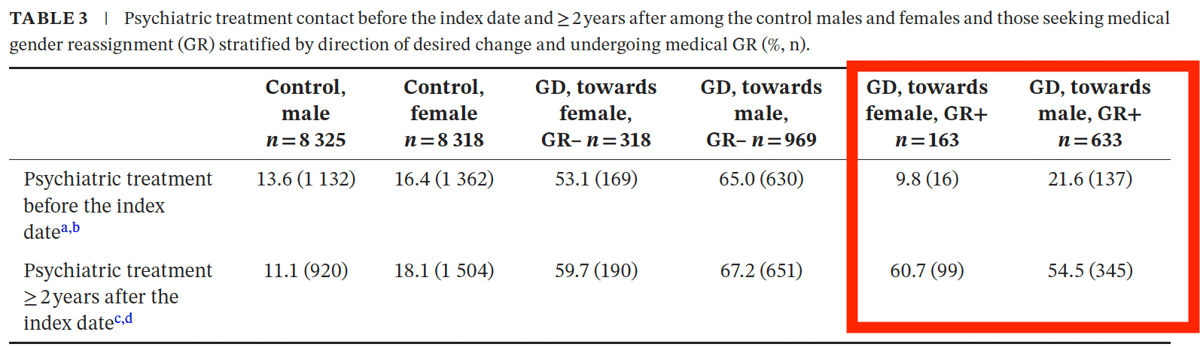
- •61% of GD youths needed specialist psychiatry 2 years post‑presentation.
- •Gender reassignment did not lower, and often raised, psychiatric contacts.
- •Female transition showed sixfold increase in psychiatric visits after GR.
- •Authors call for thorough mental‑health assessment before irreversible treatments.
Pulse Analysis
Finland’s universal health registers enable researchers to track every doctor visit, providing a uniquely comprehensive view of gender‑dysphoric youth. Ruuska and colleagues leveraged this data to compare over two thousand young people seeking gender‑dysphoria treatment with more than sixteen thousand age‑ and residence‑matched peers. Their longitudinal analysis revealed that psychiatric specialist use was already three‑times higher in the GD cohort before any medical intervention and surged after hormonal or surgical transition, contradicting the widely cited claim that gender‑affirming care reduces mental‑health burden.
The study’s implications reverberate beyond Scandinavia, feeding directly into the heated policy discussions in the United States and other Western nations. Proponents of affirmative care often argue that early medical transition is a preventive measure against depression and suicide, yet this Finnish evidence suggests that such interventions may not deliver the promised mental‑health benefits and could even exacerbate psychiatric needs. Health systems and insurers that fund gender‑affirming procedures must therefore weigh these outcomes against the irreversible nature of hormone therapy and surgeries, especially when the primary justification is improved psychological well‑being.
Clinicians are urged to adopt a more cautious, multidisciplinary approach. The authors recommend thorough psychiatric evaluation before initiating any irreversible treatment, recognizing that gender dysphoria may coexist with, or stem from, broader mental‑health challenges. Future research should identify sub‑groups that might genuinely benefit from medical transition while isolating risk factors for deterioration. By integrating robust mental‑health screening into the care pathway, providers can better align treatment decisions with patient safety and long‑term quality of life.
New paper by Ruuska et al: Gender reassignment does not reduce psychiatric morbidity in gender-dysphoric youth
Comments
Want to join the conversation?