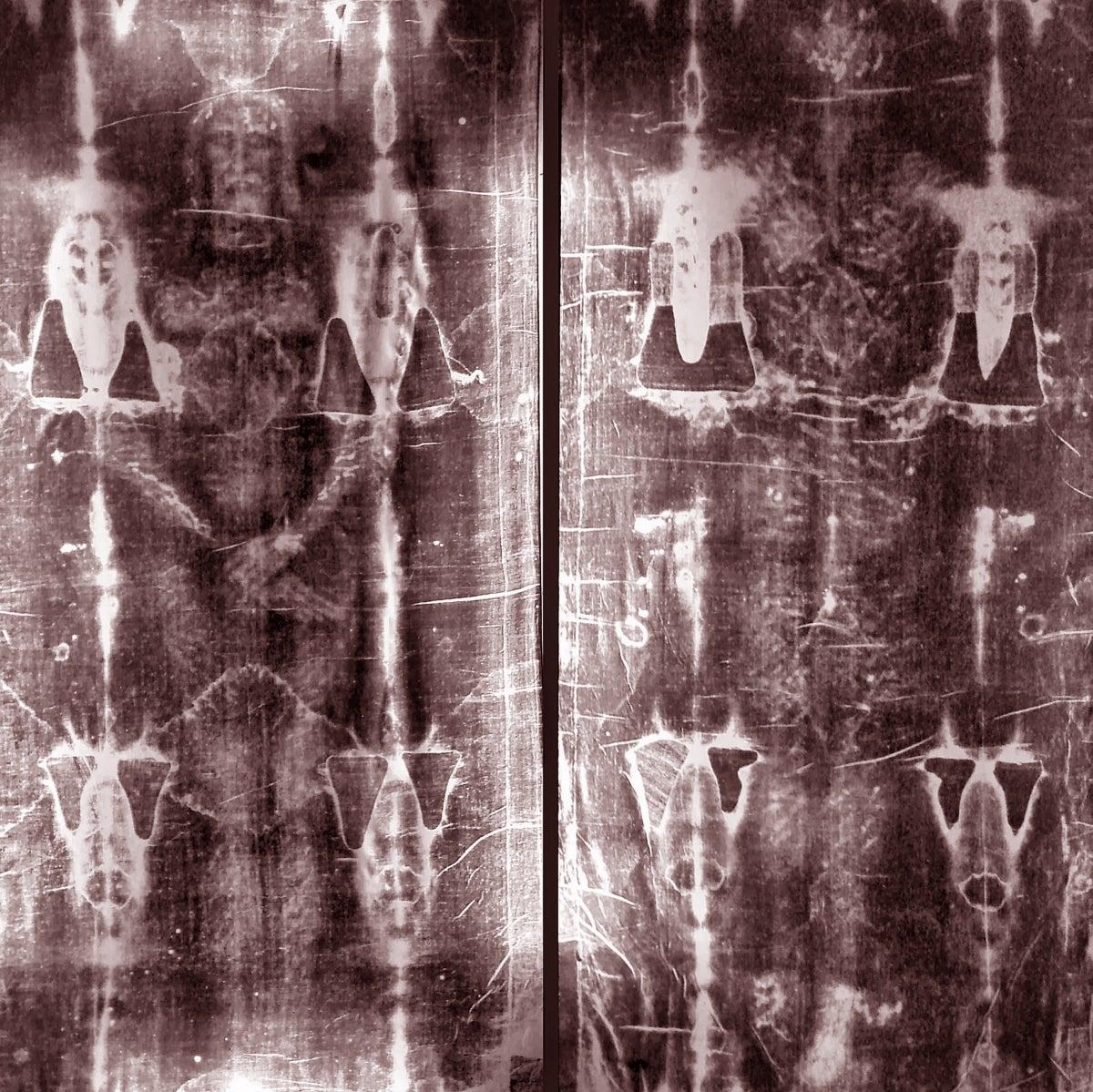
No, Shroud of Turin DNA Analysis Doesn't Show Relic's Origins, Experts Say
Why It Matters
The findings revive debate over the shroud’s provenance, but methodological flaws limit their impact on the long‑standing controversy. Accurate dating and provenance are crucial for both scientific credibility and religious discourse.
Key Takeaways
- •Metagenomic study found diverse DNA, including human, animal, plant traces.
- •Methods used are prone to false positives, limiting conclusions.
- •DNA suggests possible Indian yarn, but contamination likely from centuries of handling.
- •Radiocarbon dating still places shroud in 13th‑14th century, contradicting biblical claims.
Pulse Analysis
The latest metagenomic investigation of the Shroud of Turin adds another layer to a debate that has spanned centuries. By sequencing all genetic fragments on a 1978 sample, researchers uncovered DNA from humans, cats, dogs, cattle, wheat, bananas and more. While the presence of Indian‑origin human genotypes fuels speculation that the linen’s yarn may have been sourced from the subcontinent, experts warn that the analytical pipeline used for plant and animal identification is prone to misassignments, inflating the apparent geographic reach of the relic.
Critics emphasize that the shroud’s long history of exposure—displayed across France, Switzerland, Belgium and Italy—has introduced countless contaminants. Anthropologists note that human DNA matching Western Eurasian and Near Eastern populations likely reflects medieval and modern handlers rather than the original fabric. Moreover, the study’s reliance on pre‑print data without peer review means its conclusions remain provisional. Validation through more robust genomic techniques, such as targeted enrichment of ancient DNA, would be needed to differentiate historic contamination from recent contact.
Even if the DNA hints at an Indian textile origin, the shroud’s chronological anchor remains the 1989 radiocarbon dating, which placed the cloth firmly in the 13th‑14th century with 95 percent confidence. Overturning that result would require destructive sampling—a step the Vatican is unlikely to permit. Consequently, the new genetic data, while intriguing, does not shift the consensus that the Shroud of Turin is a medieval artifact, leaving its theological significance and scientific intrigue largely unchanged.
No, Shroud of Turin DNA analysis doesn't show relic's origins, experts say
Comments
Want to join the conversation?
Loading comments...