On Serious Engineers, Dangerous Ocean Currents and the Kumbaya Trap
Key Takeaways
- •AMOC collapse carries ~50% probability by mid‑century
- •La Niña‑like shift may flood eastern Australia, worsen southwest droughts
- •Engineers have skills but lack time to act on climate tipping points
- •Voluntary green measures are insufficient; mandatory standards needed
Pulse Analysis
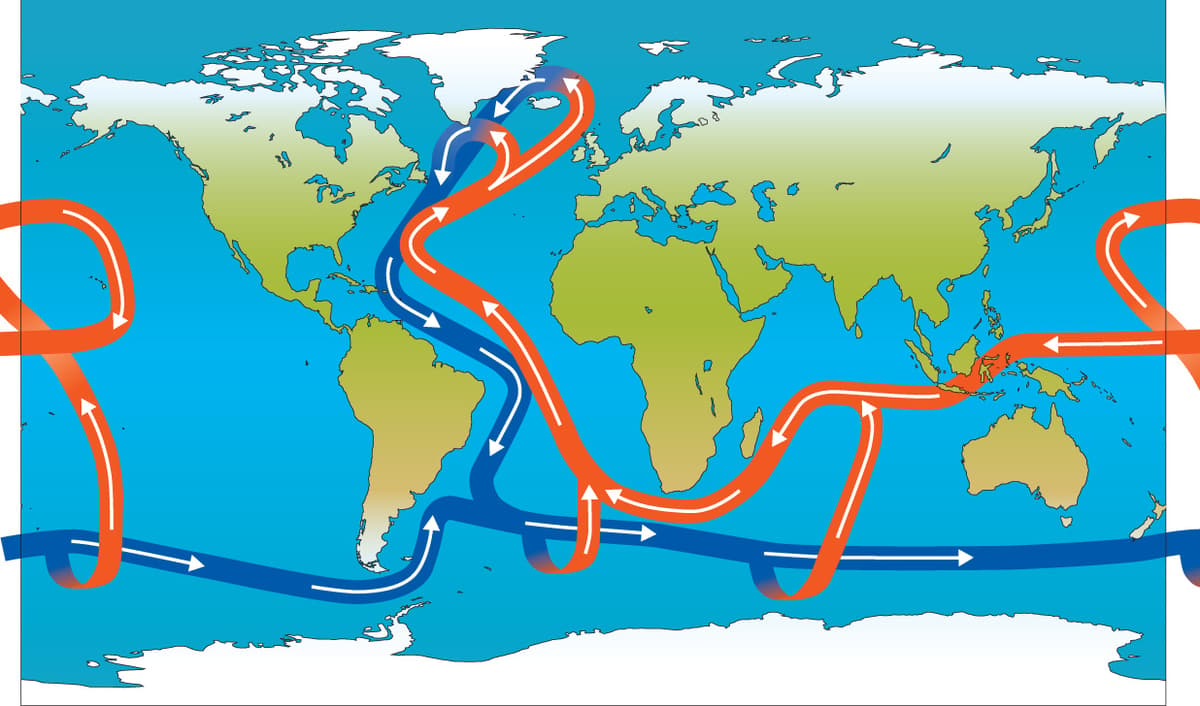
The Atlantic Meridional Overturning Circulation acts as the planet’s thermostat, moving heat from the tropics to the North Atlantic. Recent peer‑reviewed studies suggest a 50‑50 chance that this conveyor belt could stall or shut down within decades, pushing global climate toward a persistent La Niña state. For Australia, the implications are stark: intensified rainfall and flooding on the east coast, coupled with harsher droughts and bushfire risk in the southwest. These shifts would strain water infrastructure, agricultural productivity, and insurance markets, creating a cascade of economic challenges.
Australian engineers and the broader built‑environment industry sit at a pivotal crossroads. While the sector possesses the technical expertise to decarbonize buildings, transport, and energy systems, the timeline is shrinking. Scientists warn that the window to reduce greenhouse‑gas emissions before the AMOC tipping point closes is measured in years, not decades. Yet the industry remains hamstrung by a shortage of skilled labor, fragmented financing, and a cultural reliance on voluntary sustainability pledges that have proven inadequate for systemic change.
Policy makers therefore face a clear mandate: transition from soft‑law incentives to enforceable standards that drive rapid emissions cuts. Historical precedents, such as Australia’s 2007 NABERS rating mandate, demonstrate that regulatory frameworks can reshape market behavior without destabilizing the sector. By embedding carbon budgets and mandatory performance metrics into building codes, the nation can both lower its climate risk and position its engineering workforce at the forefront of global climate resilience efforts.
On serious engineers, dangerous ocean currents and the kumbaya trap
Comments
Want to join the conversation?