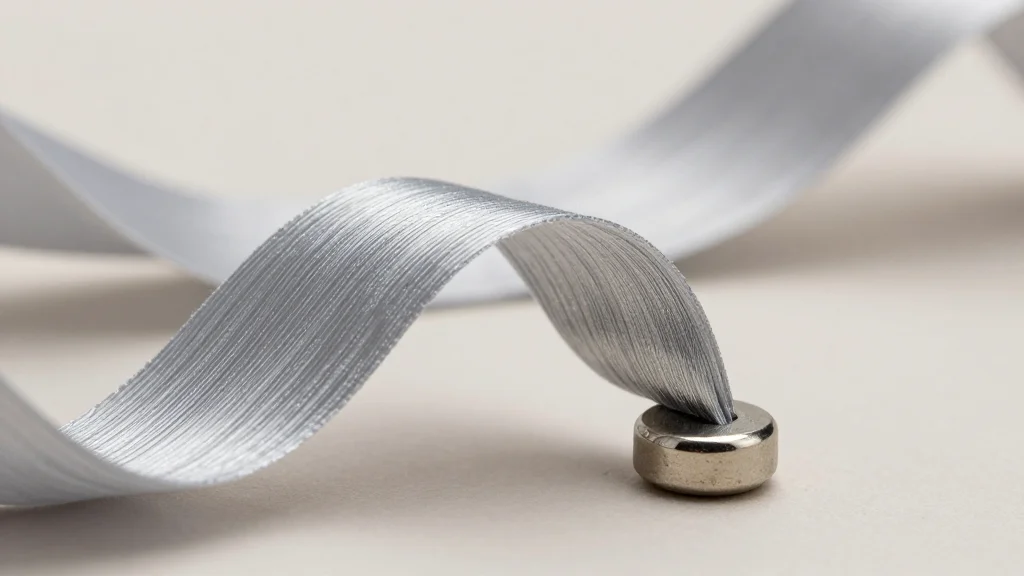
One Step Closer to Robots You Can Wear Like Clothing with Automatic Weaving of “Fabric Muscle”
Key Takeaways
- •Automated weaving produces 25 µm SMA yarn for fabric muscles.
- •10 g fabric lifts 10–15 kg, enabling lightweight actuation.
- •Clothing‑type robot under 2 kg cuts effort by >40% in tasks.
- •Shoulder‑assist exosuit (840 g) improves range of motion >57% in trials.
- •Mass‑production paves way for commercial wearable robots in healthcare and industry.
Pulse Analysis
The new automated weaving platform marks a paradigm shift in soft robotics manufacturing. By replacing a metallic core with natural fiber and refining coil‑yarn geometry, KIMM achieved continuous production of 25‑micron SMA yarn that can be integrated into textiles. This process eliminates the labor‑intensive hand‑weaving steps that previously limited scalability, delivering uniform actuators at a pace suitable for mass markets. The resulting fabric muscle combines the high power‑to‑weight ratio of shape‑memory alloys with the flexibility of cloth, unlocking design possibilities that were impractical with traditional motors or pneumatics.
From an application standpoint, the technology directly addresses long‑standing ergonomic challenges in industrial and medical settings. The sub‑2 kg exosuit demonstrated a 40% reduction in muscular effort while supporting the elbow, shoulder and waist simultaneously—an achievement rarely seen in conventional exoskeletons that are bulky and joint‑specific. In clinical trials, the 840‑gram shoulder‑assist device expanded patients' motion range by over 57%, highlighting its potential for rehabilitation of neuromuscular disorders such as Duchenne muscular dystrophy. These performance gains stem from the fabric muscle’s ability to conform to complex body contours, delivering smooth, silent assistance without the inertia of rigid actuators.
Looking ahead, the ability to mass‑produce fabric muscles could catalyze a new wave of consumer‑grade wearable robots. Industries ranging from logistics to construction stand to benefit from reduced worker fatigue and injury rates, while healthcare providers may adopt exosuits for daily living support and therapy. As KIMM scales the technology and partners with manufacturers, the cost barrier is expected to drop, accelerating adoption and positioning South Korea as a leader in the emerging soft‑robotics market. The convergence of advanced materials, automated textile engineering, and clinical validation sets the stage for wearable robots to transition from laboratory prototypes to everyday tools.
One step closer to robots you can wear like clothing with automatic weaving of “fabric muscle”
Comments
Want to join the conversation?