Oregon Prepares for a Challenging Summer of Water Shortages and High Fire Risk
Why It Matters
Early and prolonged fire activity raises suppression costs and threatens lives, while dwindling water reserves strain municipal and agricultural users. The dual crisis underscores the urgency for climate‑resilient water and land‑management policies in the Pacific Northwest.
Key Takeaways
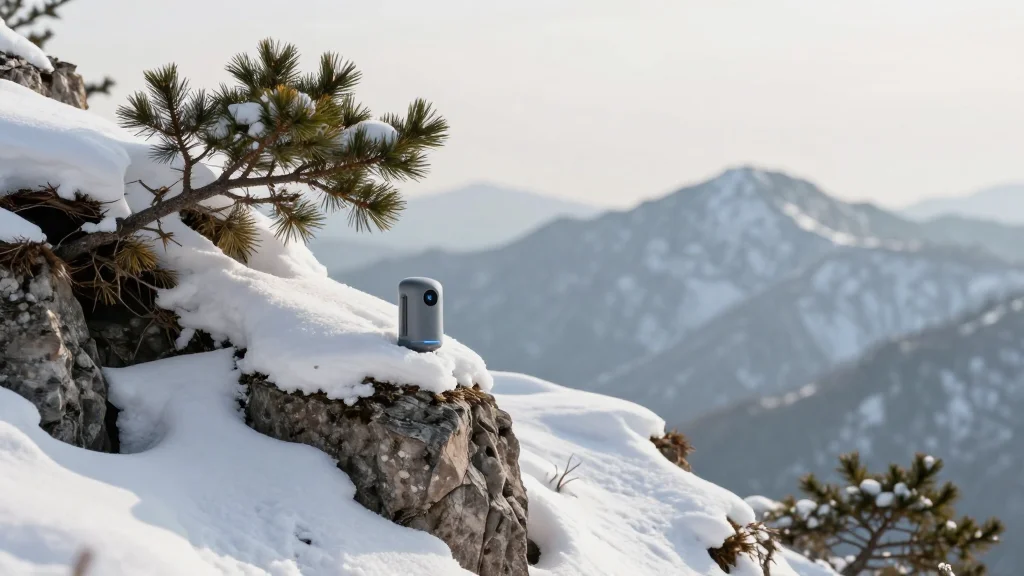
- •Snowpack at historic low, increasing early fire season risk
- •Dry, brown vegetation in Strawberry Mountains signals heightened ignition potential
- •Fire crews rely on winter moisture; its absence lengthens suppression windows
- •State forecasters project high wildfire threat across Oregon this summer
- •Water shortages may strain municipal supplies and agricultural irrigation
Pulse Analysis
The unprecedented decline in Oregon’s snowpack reflects a broader shift in the region’s climate regime. Historically, the Cascades and Blue Mountains stored enough winter snow to release meltwater through spring, sustaining rivers and reservoirs. This year’s rain‑dominated winter left the high‑elevation basins dry, reducing runoff by an estimated 30 percent compared with the 30‑year average. Hydrologists warn that lower snowmelt will tighten water allocations for cities like Portland and for irrigation districts that depend on steady streamflows, prompting early water‑use restrictions and heightened competition for limited supplies.
Wildfire dynamics are tightly coupled to moisture availability, and the absence of snowpack removes a critical natural firebreak. Without the insulating layer of snow, forest fuels dry out faster, extending the window for ignition from lightning strikes or human activity. Early fire starts force agencies to allocate resources sooner, inflating suppression budgets that have already surged past $1 billion annually nationwide. Moreover, longer fire seasons increase the likelihood of catastrophic megafires, which can devastate timber economies, depress property values, and generate hazardous smoke that impacts public health across the West Coast.
Policymakers and utilities are now grappling with the twin challenges of water scarcity and fire risk. State agencies are accelerating investments in advanced snow‑monitoring satellites, real‑time stream gauges, and predictive modeling to better forecast water availability. Simultaneously, forest management programs are expanding prescribed burns and thinning projects to reduce fuel loads before the dry season. For businesses, the evolving risk landscape means higher insurance premiums, supply‑chain disruptions, and the need for robust continuity plans. Adapting to these climate‑driven pressures will be essential for safeguarding Oregon’s economy and its residents.
Oregon Prepares for a Challenging Summer of Water Shortages and High Fire Risk
Comments
Want to join the conversation?
Loading comments...