Recyclable Protein Fibers Could Cut Textile Waste and Microplastic Pollution
Key Takeaways
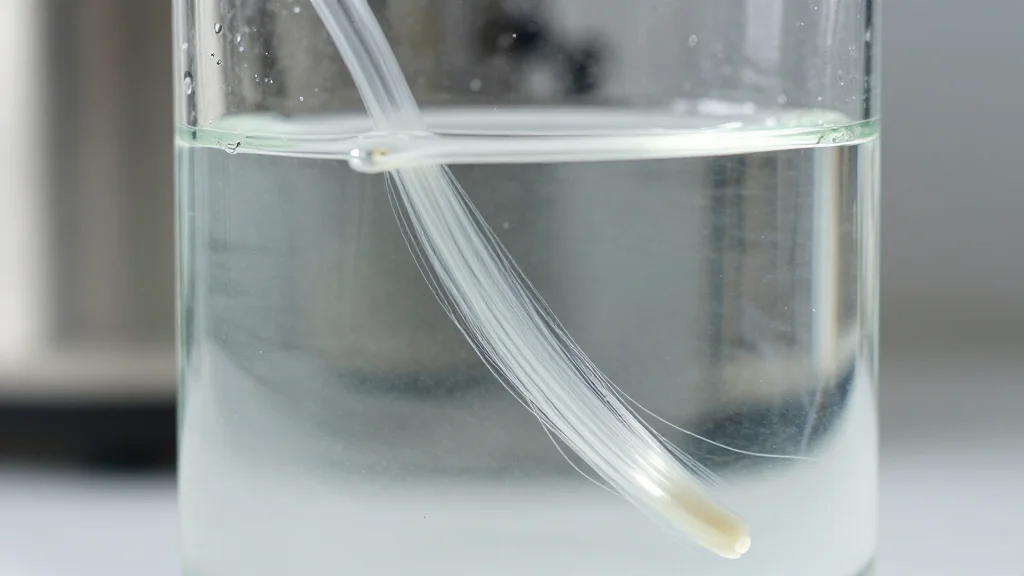
- •SAM fibers dissolve in seconds using inexpensive formic‑acid solvent
- •Recycled protein retains original strength, enabling multiple reuse cycles
- •Biodegradable micro‑particles eliminate ocean microplastic contamination
- •Closed‑loop process could lower biomanufacturing costs for mass markets
Pulse Analysis
The fashion sector generates roughly 100 million tons of waste annually, with only about 12 % of fibers entering recycling streams. Conventional polyester and nylon shed microplastics during each wash, contributing to the growing tide of oceanic micro‑pollution. Existing recycling methods struggle because the same strong bonds that give synthetic fibers their durability also make them hard to break down without degrading performance, leading to weaker recycled products and higher processing costs.
Washington University’s SAM (silk‑amyloid‑mussel) protein hybrid sidesteps these constraints by leveraging synthetic biology. By stitching together genetic motifs from mussel foot proteins, spider silk, and amyloids, researchers engineered a material that remains robust in water yet disassembles instantly in a low‑cost formic‑acid bath. The solvent merely disrupts protein interactions, leaving the raw protein intact for re‑spinning, so each recycling loop preserves the original tensile strength. Moreover, any microscopic fragments released during laundering are fully biodegradable, eliminating the persistent microplastic footprint associated with petrochemical fibers.
If scaled, SAM fibers could transform textile supply chains from linear to circular. The closed‑loop model reduces raw material demand, cuts energy‑intensive melt‑reprocess steps, and drives down long‑term production expenses, making bio‑based textiles viable beyond niche luxury markets. Industry players eyeing sustainability certifications may adopt the technology to meet consumer and regulatory pressure, while investors watch for cost‑effective alternatives to traditional polymer recycling. As biomanufacturing processes mature and formic‑acid recovery improves, SAM could become a cornerstone of a greener, waste‑free fashion ecosystem.
Recyclable protein fibers could cut textile waste and microplastic pollution
Comments
Want to join the conversation?