Researchers Explore Two Very Different Routes To Plastic Breakdown
Key Takeaways
- •CtCut enzyme stable up to ~69 °C, enabling high‑temp recycling
- •Living plastic embeds Bacillus spores without weakening PCL film strength
- •Engineered spores degrade PCL fully in six days at 50 °C
- •Approach limited to PCL, not common 3D‑printing polymers
- •Enzyme structural study aids design of tougher polyester‑degrading catalysts
Pulse Analysis
Additive manufacturing generates a unique stream of plastic waste—failed prints, support structures, and test coupons—that is difficult to recycle using conventional mechanical methods. Mixed polymers, pigments, and contamination create a low‑margin feedstock, prompting researchers to explore biological solutions that can cleave polymer chains without the quality loss associated with repeated melting. Enzyme‑driven recycling, in particular, promises a more selective and energy‑efficient pathway, but it must overcome the thermal instability that many biocatalysts exhibit under industrial conditions.
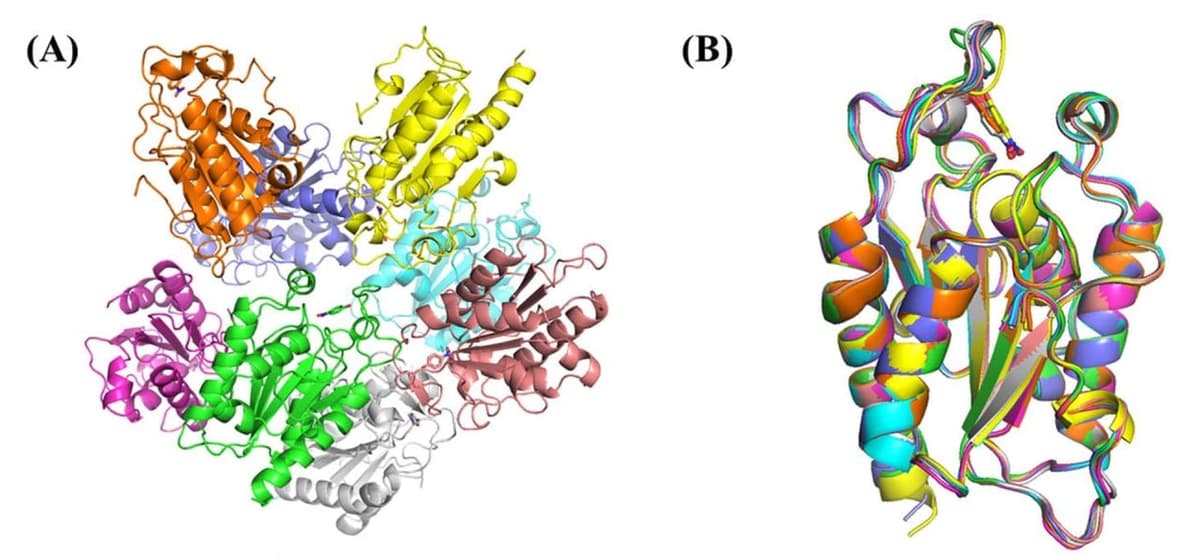
The MDPI study focuses on CtCut, a cutinase derived from the thermophilic fungus Chaetomium thermophilum. Structural analysis revealed thermal‑unfolding transitions at 66.4 °C and 69.5 °C, indicating a usable temperature window for processing polyester waste that would otherwise denature typical enzymes. By mapping the active site’s conformational changes, the research provides a template for engineering more robust cutinases capable of tackling high‑temperature polyester streams such as PET and certain polyurethanes, potentially expanding the scope of enzymatic recycling beyond niche applications.
Meanwhile, the ACS Applied Polymer Materials paper demonstrates a living plastic concept by embedding dormant Bacillus subtilis spores into polycaprolactone (PCL). The engineered bacterial consortium secretes two complementary lipases, rapidly fragmenting and then fully degrading the polymer matrix within six days at 50 °C, all while preserving the material’s mechanical properties before activation. Although the method is currently limited to PCL—a less common 3‑D‑printing polymer—and requires a controlled heating and nutrient environment, it showcases how programmable microbes could be integrated into future filament designs for on‑demand degradation. Scaling this approach will require broader polymer compatibility and simplified activation protocols, but it signals a shift toward closed‑loop, bio‑enabled waste management in the printing industry.
Researchers Explore Two Very Different Routes To Plastic Breakdown
Comments
Want to join the conversation?