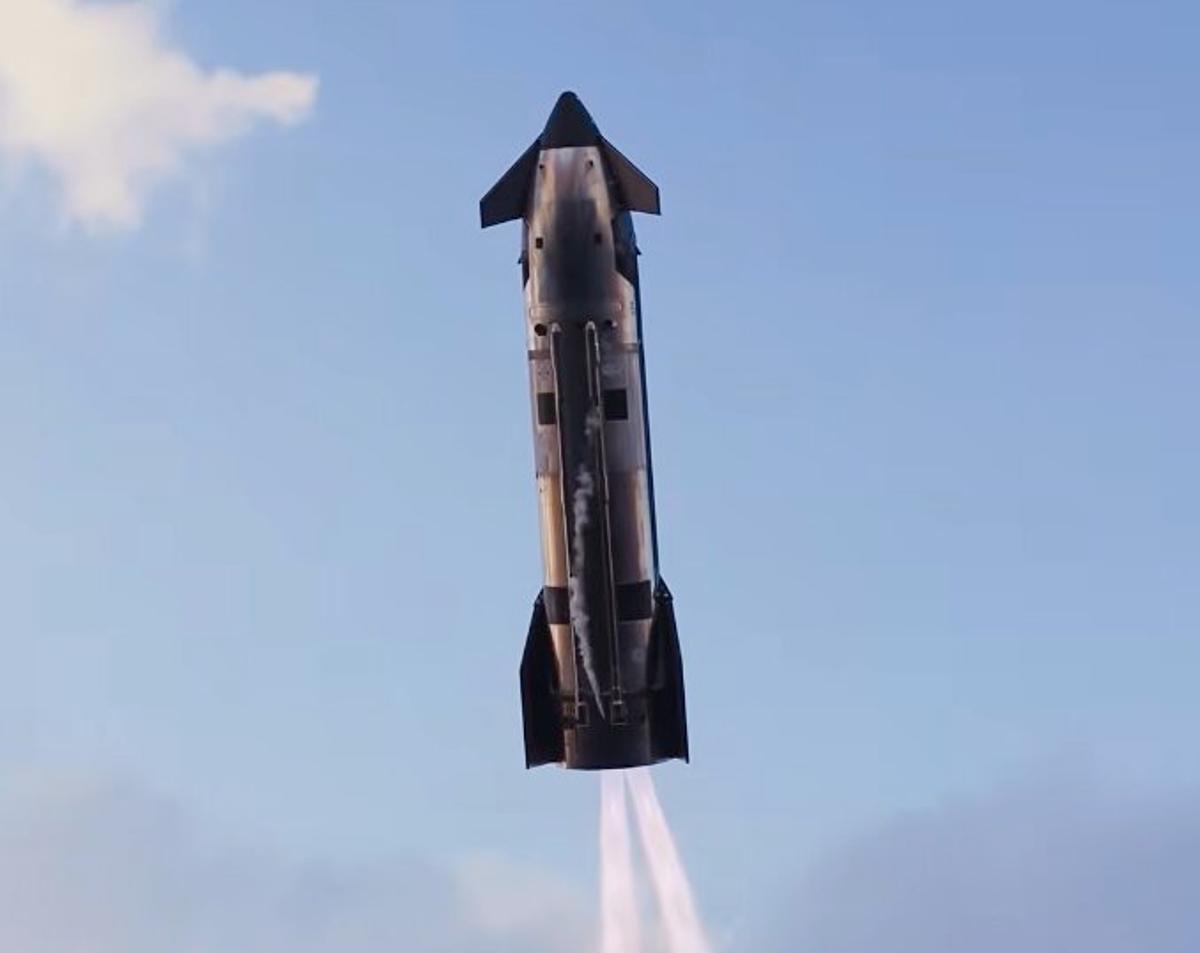
SpaceX Starship Going for Orbit in August and September

Key Takeaways
- •Flight 14 aims for full orbital injection in August
- •Monthly Starship launches targeted for all of 2026
- •2027 goal: 100‑200 Starship missions per year
- •Launches will operate from Cape Canaveral
- •SpaceX plans five launch pads to support cadence
Pulse Analysis
SpaceX’s Starship program has moved from experimental test flights to a commercial launch schedule that could redefine the economics of space. After a series of sub‑orbital and low‑Earth‑orbit tests, Flight 14 is set for August, marking the first attempt at a full orbital injection from Cape Canaveral. This milestone will validate the vehicle’s reusability, payload capacity, and rapid turnaround—key metrics that investors and satellite operators have been watching closely.
The announced cadence—monthly launches in 2026 and up to 200 flights in 2027—requires a massive scaling of infrastructure, including five dedicated launch pads and an expanded ground support crew. Achieving such frequency will push the limits of supply chain logistics, propellant production, and vehicle refurbishment processes. If successful, SpaceX could offer launch services at a fraction of current prices, pressuring legacy providers and accelerating the deployment of megaconstellations for broadband, Earth observation, and scientific research.
Beyond commercial payloads, the rapid launch capability positions SpaceX to support NASA’s Artemis program, private lunar landers, and eventual Mars missions. A steady stream of Starship flights could also enable on‑orbit manufacturing and refueling, opening new business models in space logistics. Competitors will need to innovate or partner to keep pace, making SpaceX’s 2026‑2027 timeline a pivotal benchmark for the entire aerospace industry.
SpaceX Starship Going for Orbit in August and September
Comments
Want to join the conversation?