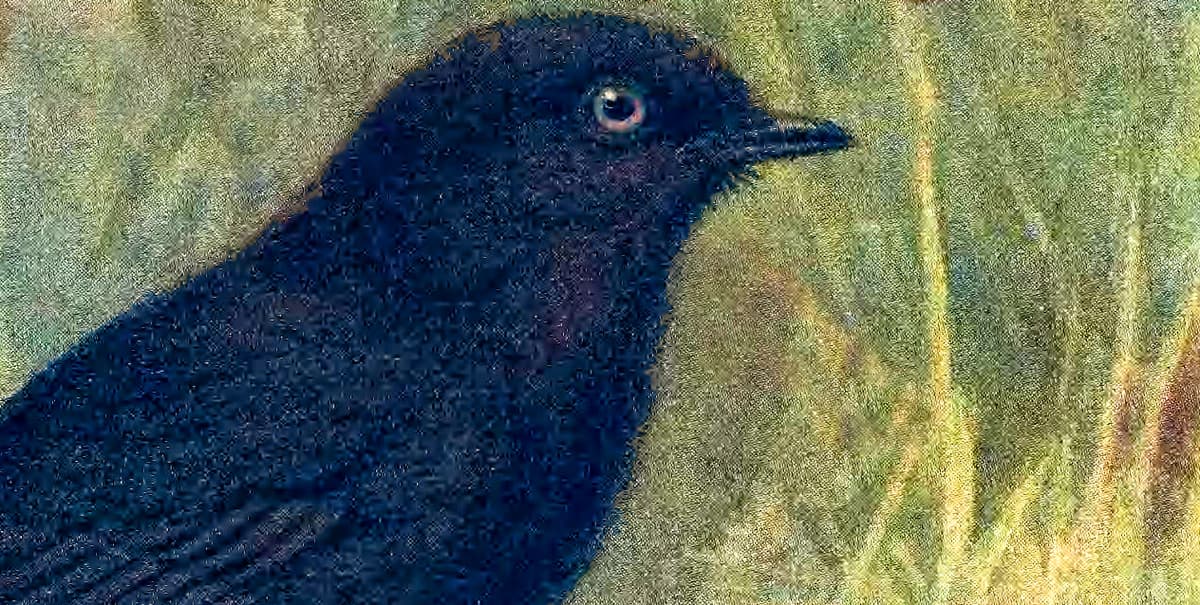
The Black Robin and the Power of Tenacious Tenderness: How a Single Mother Brought an Entire Species Back From the Brink of Extinction
Key Takeaways
- •Old Blue was the sole fertile female among five surviving black robins
- •Conservationists used surrogate warblers and tomtits before returning chicks to Old Blue
- •All ~250 living black robins descend from Old Blue’s eleven chicks
- •Mangere Island habitat restoration planted 20,000 native trees for the species
- •The case shows targeted conservation can reverse near‑extinction trends
Pulse Analysis
The black robin’s comeback is a textbook example of how precise ecological interventions can generate outsized returns. After European settlement introduced cats and rats, the native population collapsed to just seven birds, prompting scientists to relocate the survivors to Mangere Island and reforest the area with 20,000 native trees. This habitat overhaul created a predator‑free sanctuary, yet the birds still refused to breed until a single, aged female—Old Blue—became the linchpin of the recovery effort.
Old Blue’s story illustrates the power of adaptive management in conservation. Early attempts to use warblers as foster parents failed due to insufficient feeding, while tomtits over‑nurtured the chicks, causing identity confusion. By iterating quickly and ultimately returning the fledglings to Old Blue, researchers leveraged her unique reproductive capacity, resulting in eleven viable chicks that seeded the current population of roughly 250 individuals. The episode highlights the importance of flexible, evidence‑based strategies and the willingness to invest resources—both financial and labor‑intensive—into trial‑and‑error approaches.
From a business perspective, the black robin rescue offers lessons for risk‑mitigation and sustainability initiatives. Targeted funding, akin to the modest yet consistent donations supporting The Marginalian, can sustain long‑term projects that yield exponential ecological and social dividends. Moreover, the case underscores the market potential for ecosystem services, where preserving a keystone species can protect broader biodiversity, tourism, and cultural heritage. Companies seeking to align ESG goals with measurable impact can draw on this model to justify strategic investments in habitat restoration and species recovery programs.
The Black Robin and the Power of Tenacious Tenderness: How a Single Mother Brought an Entire Species Back from the Brink of Extinction
Comments
Want to join the conversation?