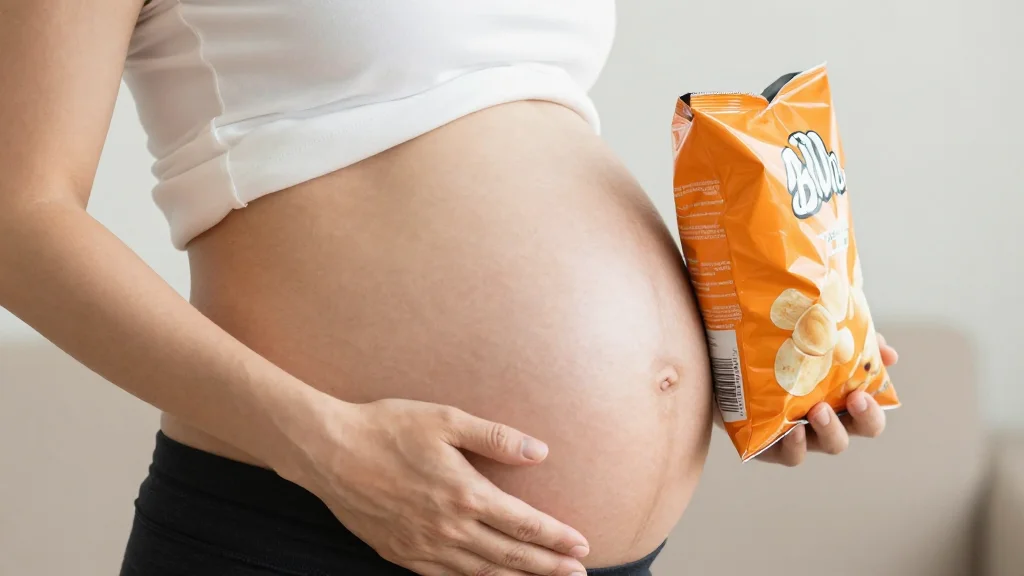
Ultra-Processed Foods May Raise Risk of Preterm Birth and Pregnancy Complications, Study Finds
Key Takeaways
- •10% increase in UPF calories raises preterm birth risk by 11%.
- •10% rise in UPF calories lifts hypertension disorder risk by 5%.
- •Over half of pregnant women's calories come from ultra‑processed foods.
- •Study of 6,693 U.S. pregnancies links UPFs to multiple complications.
- •States are moving to label or ban ultra‑processed foods in schools.
Pulse Analysis
Ultra‑processed foods now dominate the American food supply, accounting for roughly 70% of packaged items and supplying more than half of the calories consumed by pregnant women. The recent *Nutrients* analysis of the nuMoM2b cohort, which tracked first‑time mothers between 2010 and 2013, quantified this exposure with unprecedented granularity. By treating UPF intake as a continuous variable, researchers demonstrated that a modest 10‑percentage‑point shift in dietary calories translates into a measurable rise in preterm birth and hypertensive pregnancy disorders, outcomes that drive significant health‑care costs and long‑term child development challenges.
The biological pathways linking ultra‑processed foods to adverse pregnancy outcomes remain under investigation, but inflammation, hormonal disruption, nutrient deficiencies, and gut‑microbiome alterations are leading hypotheses. These mechanisms align with broader epidemiological data linking UPFs to obesity, diabetes, cardiovascular disease, and even early‑life neurodevelopmental issues. For clinicians and policymakers, the evidence underscores the need for dietary counseling that emphasizes whole, minimally processed foods during the periconceptional period. Moreover, the study bolsters calls for clearer front‑of‑pack labeling, stricter marketing restrictions, and fiscal measures—such as taxes or subsidies—that can shift consumer behavior toward healthier options.
From a market perspective, the mounting scientific consensus is reshaping food industry strategies. Companies are investing in reformulated products that reduce additives, artificial sweeteners, and refined oils to meet emerging regulatory standards and consumer demand for transparency. State initiatives, like California’s ban on ultra‑processed foods in school lunches and Louisiana’s ingredient‑labeling law, signal a wave of legislative activity that could extend nationally, especially with a federal definition of ultra‑processed foods expected soon. Firms that proactively adapt—by offering certified “non‑UPF” lines or leveraging clean‑label certifications—stand to capture a growing segment of health‑conscious shoppers while mitigating regulatory risk.
Ultra-processed foods may raise risk of preterm birth and pregnancy complications, study finds
Comments
Want to join the conversation?