UMD Leads $7M MURI to Study Brain’s Hidden Astrocytes

Key Takeaways
- •$7M Army‑funded MURI targets astrocyte‑based hybrid AI research.
- •Two astrocytes per neuron yields fastest learning in test networks.
- •“Rhythmic sharing” algorithm improves early anomaly detection in simulations.
- •Hybrid AI outperforms traditional models on water‑treatment and jet‑engine scenarios.
- •Astrocyte integration promises more adaptive, resilient artificial intelligence systems.
Pulse Analysis
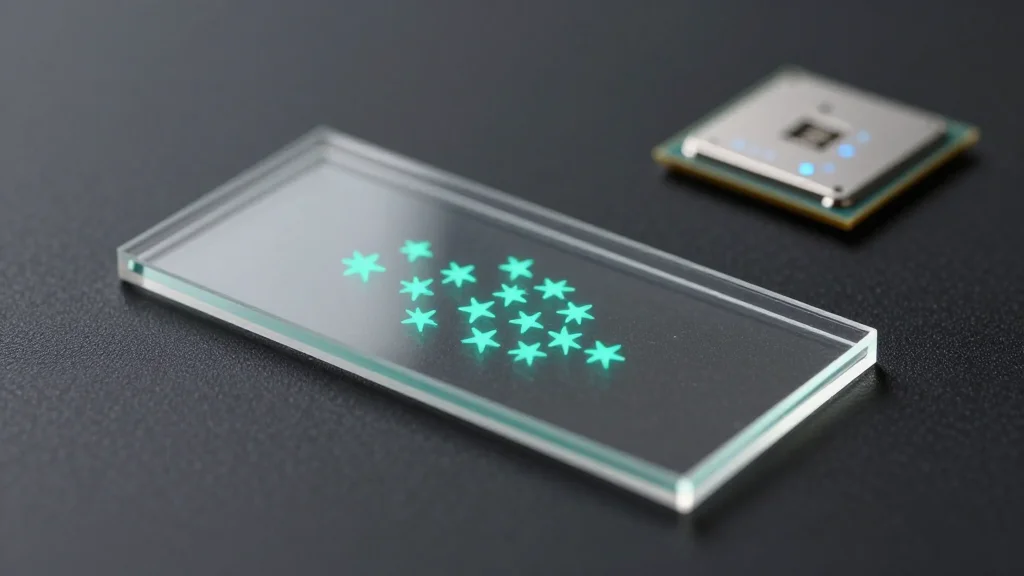
Astrocytes, once dismissed as mere support cells, are now emerging as a frontier in artificial intelligence research. Their star‑shaped morphology and ability to modulate neuronal activity suggest a parallel computing layer that conventional neural networks lack. By tapping into this biological insight, researchers aim to bridge the gap between the brain’s 86 billion cells and today’s silicon‑based models, potentially unlocking new pathways for learning efficiency and memory retention. The UMD‑led MURI, backed by a $7 million Army grant, positions the United States at the vanguard of this interdisciplinary push.
The hybrid AI framework pioneered by Losert’s team integrates artificial astrocytes alongside traditional artificial neurons, mirroring the brain’s approximate two‑to‑one astrocyte‑to‑neuron ratio. Their “rhythmic sharing” algorithm introduces dynamic, pulse‑driven connections that continuously re‑weight relationships, a stark contrast to static weight matrices in classic deep learning. In simulated environments—ranging from water‑treatment facilities under cyber‑attack to jet engines approaching failure—this approach flagged warning signs up to 30 percent earlier than state‑of‑the‑art models, demonstrating both speed and reliability gains.
If these findings translate to real‑world deployments, the impact could be profound. Defense agencies could field AI that anticipates equipment degradation before it manifests, while critical infrastructure operators might detect subtle anomalies that current monitoring tools miss. Commercial sectors, from autonomous vehicles to financial risk analytics, stand to benefit from AI that adapts in near‑real time, echoing the brain’s resilience. As funding and interdisciplinary collaboration grow, astrocyte‑inspired AI may become a cornerstone of next‑generation intelligent systems, reshaping both research agendas and market expectations.
UMD Leads $7M MURI to Study Brain’s Hidden Astrocytes
Comments
Want to join the conversation?