Key Takeaways
- •Fish use lateral line to sense turbulence near turbines.
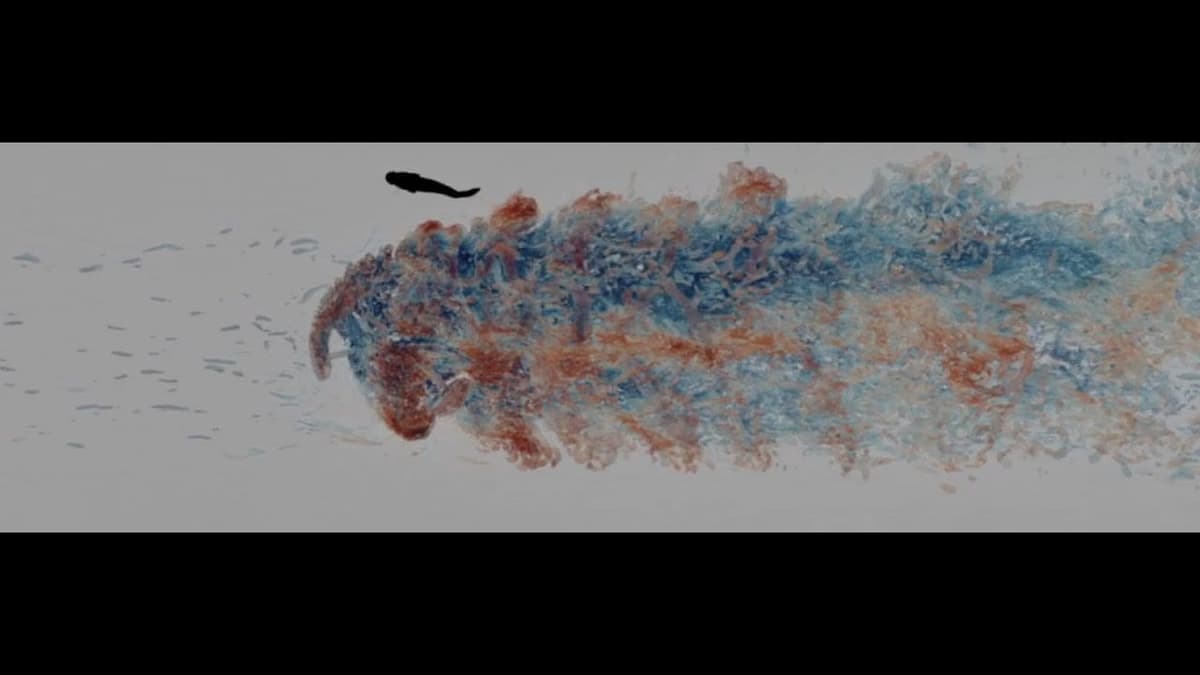
- •LES models reveal complex vortical wake structures behind turbine blades.
- •Overlaying trajectories shows fish avoid high‑shear zones.
- •Insights guide turbine designs that reduce ecological disturbance.
Pulse Analysis
Marine renewable energy is expanding rapidly, with underwater turbines emerging as a promising source of clean power. However, the introduction of rotating blades into riverine and coastal habitats raises concerns about fish mortality and behavioral disruption. Fish rely on their lateral line system to detect minute pressure changes and turbulent eddies, allowing them to navigate complex flow environments. Integrating ecological considerations early in turbine development is essential to balance energy goals with biodiversity protection.
Large Eddy Simulation (LES) offers a high‑resolution view of the turbulent wake generated by turbine blades, capturing three‑dimensional vortical structures that traditional models miss. By synchronizing LES outputs with experimentally recorded fish trajectories, researchers can pinpoint the exact flow features that trigger avoidance responses. This hybrid approach reveals that fish tend to steer clear of regions with intense shear and rapid velocity fluctuations, preferring smoother flow corridors. Such granular insight surpasses generic impact assessments, providing a mechanistic understanding of fish perception in engineered flow fields.
The practical upshot for turbine manufacturers is clear: redesign blade geometry, spacing, or rotation speed to attenuate high‑shear zones and create more fish‑friendly wakes. Regulatory agencies can also leverage these data to set evidence‑based guidelines for offshore and riverine turbine deployments. Looking ahead, expanding LES‑trajectory studies across species and flow regimes will refine design standards and accelerate the adoption of environmentally responsible marine energy technologies.
Understanding Fish and Turbines
Comments
Want to join the conversation?