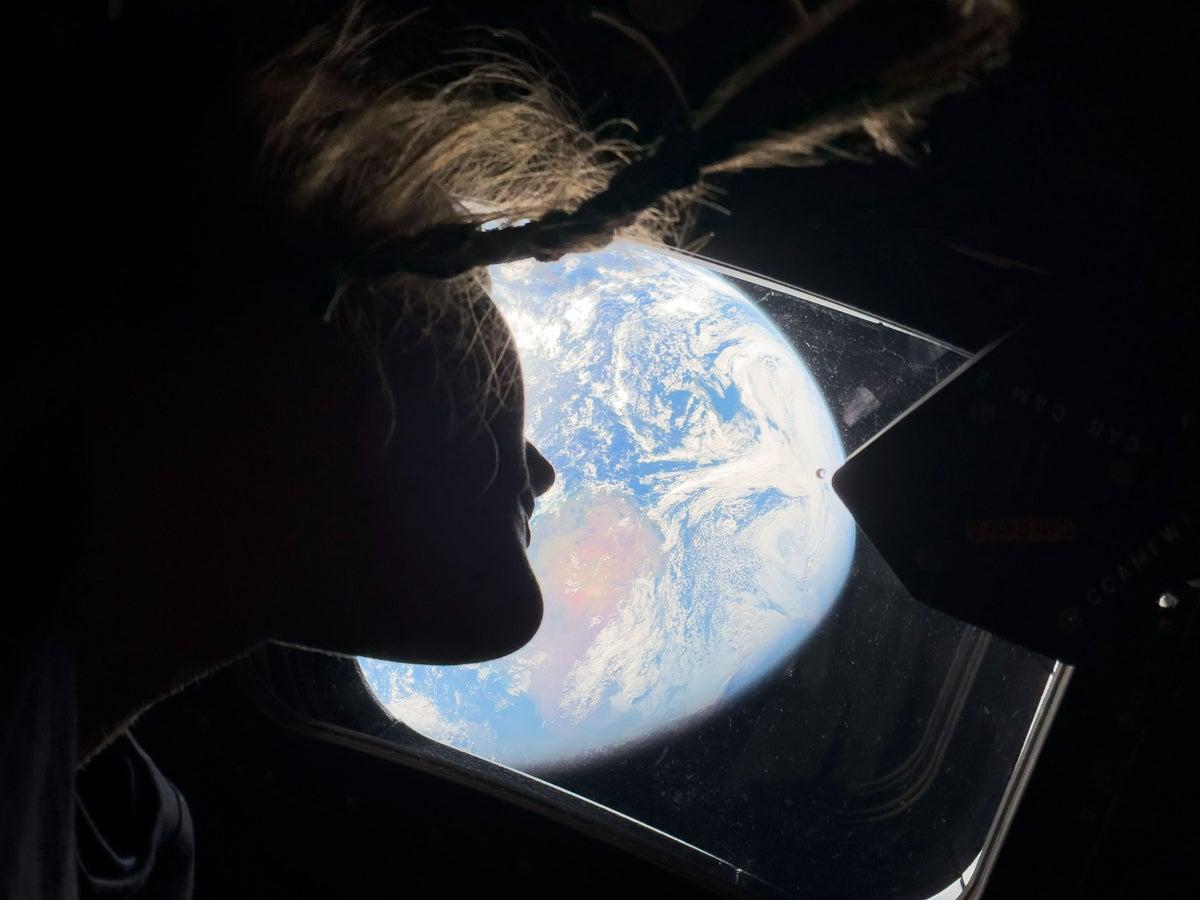
What NASA’s Artemis II Tells Us About the ‘Overview Effect,’ Moon Joy and Awe
Companies Mentioned

NASA

Blue Origin
Why It Matters
Artemis II’s vivid imagery and emotional narratives reshape public enthusiasm for lunar exploration and provide fresh data on how space‑induced awe can influence attitudes toward environmental stewardship and mental health.
Key Takeaways
- •Artemis II achieved first crewed Moon flyby since Apollo 17, 1972
- •Mission captured far‑side lunar views, solar eclipse, and Earth‑rise live
- •Astronauts reported mixed “overview effect,” some unchanged by space view
- •Study finds deep‑sea “underview effect” mirrors space‑induced awe
- •Daily awe practices linked to reduced distress and higher prosocial emotions
Pulse Analysis
The Artemis II mission marks a watershed moment for NASA’s return to lunar exploration, delivering the first crewed Moon flyby since Apollo 17 in 1972. Beyond the technical milestones—traveling farther from Earth than any human before, capturing the far side of the Moon, and broadcasting a total solar eclipse from orbit—the mission’s high‑definition video feed sparked a wave of public fascination. By broadcasting Earth’s sunrise behind the cratered horizon, Artemis II renewed the visual language of spaceflight that fuels both scientific curiosity and commercial interest in the burgeoning lunar economy.
At the heart of the public reaction lies the so‑called “overview effect,” a psychological shift reported by many astronauts who see Earth as a fragile oasis suspended in the void. Yet Artemis II crew members offered divergent accounts: some, like Christina Koch, described profound awe, while others, such as Jeremy Hansen, noted that their perspective on Earth’s fragility remained unchanged. Scholars argue the effect may be as much cultural narrative as innate response, a point underscored by recent research on deep‑sea “underview effect” where divers experience comparable awe without leaving the planet. This debate informs how space agencies and private firms frame their messaging, balancing authentic human experience with aspirational branding.
Understanding how awe influences attitudes has practical implications. Studies linking brief, daily awe practices to lower distress and heightened prosocial behavior suggest that the emotional resonance of spaceflight can be leveraged for public well‑being and environmental advocacy. As NASA prepares for Artemis III and commercial partners eye lunar tourism, the ability to translate the fleeting “moon joy” of Artemis II into sustained engagement could shape funding, policy, and the cultural narrative surrounding humanity’s next steps beyond Earth.
What NASA’s Artemis II tells us about the ‘overview effect,’ moon joy and awe
Comments
Want to join the conversation?
Loading comments...