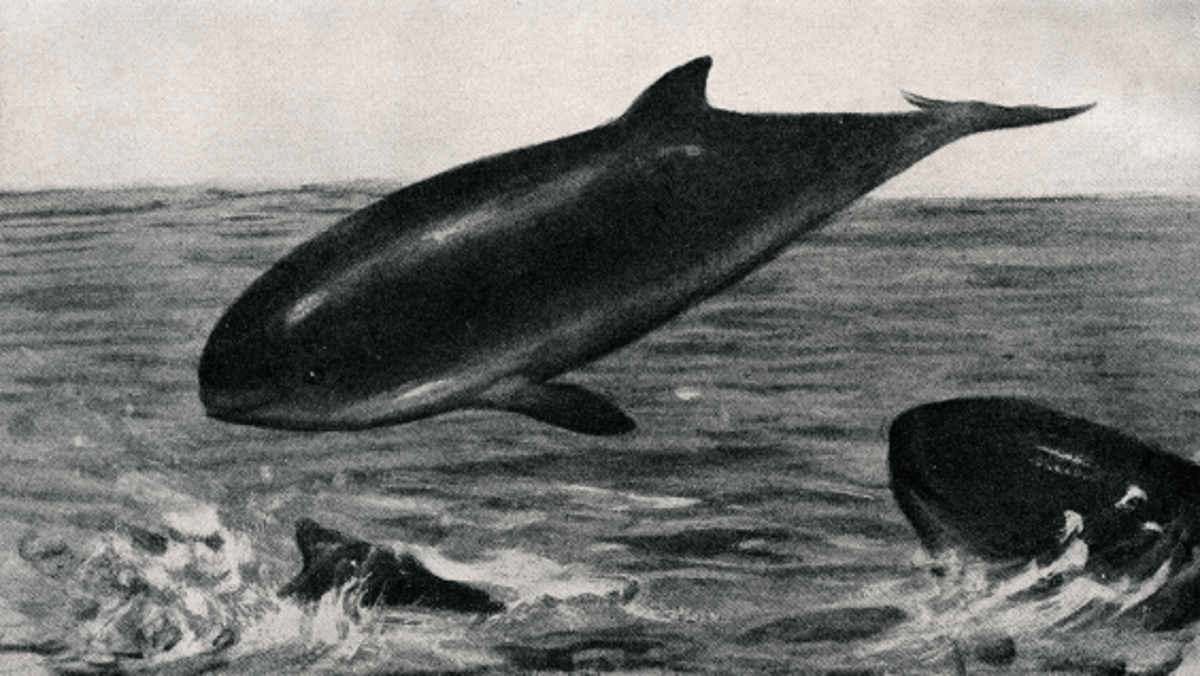
What’s Black and White and Reveals Historic Porpoise Distributions?
Companies Mentioned
Why It Matters
Understanding historic baselines clarifies how far the Baltic harbor porpoise has contracted, informing more effective conservation targets and policy decisions.
Key Takeaways
- •1,490 newspaper mentions mapped to 1,455 historic porpoises
- •Porpoises once spanned entire Baltic, now occupy one‑third of range
- •800 porpoises were harvested in Denmark’s Little Belt in 1880
- •Study shows archival news can fill gaps in marine species records
- •Researchers urge proactive protection to halt further decline
Pulse Analysis
Using centuries‑old newspapers as a data source may sound unconventional, but the Baltic porpoise study demonstrates its power. By scanning digitized Swedish archives for the terms "tumlare" and "marsvin," researchers identified nearly 1,500 references to harbor porpoises, allowing them to reconstruct a distribution map that predates modern scientific surveys. This approach sidesteps the logistical challenges of historical marine monitoring and provides a cost‑effective way to establish ecological baselines, a critical step for any species assessment.
The findings paint a stark picture: historically, the Baltic harbor porpoise roamed the full Swedish shoreline, the Gulf of Bothnia, and even reached German, Lithuanian, and Latvian waters. Today, the population—estimated at just 500 individuals—occupies roughly a third of that historic range, with the northern Baltic now a rarity. Human pressures, from 19th‑century whaling that saw an 800‑animal haul in a single season to contemporary fishing, pollution, and noise, have driven this contraction. Archaeological evidence corroborates an even broader ancient presence, underscoring the magnitude of recent losses.
For conservationists and policymakers, the study underscores the value of unconventional data streams in shaping recovery strategies. By establishing a clear historic benchmark, managers can set more ambitious, evidence‑based recovery goals and prioritize protection zones that reflect former core habitats. Moreover, the research highlights the need for proactive measures—such as stricter by‑catch limits and noise mitigation—to safeguard the remaining porpoise population. As climate change reshapes Baltic ecosystems, integrating archival insights with modern monitoring will be essential for adaptive, long‑term stewardship.
What’s Black and White and Reveals Historic Porpoise Distributions?
Comments
Want to join the conversation?
Loading comments...