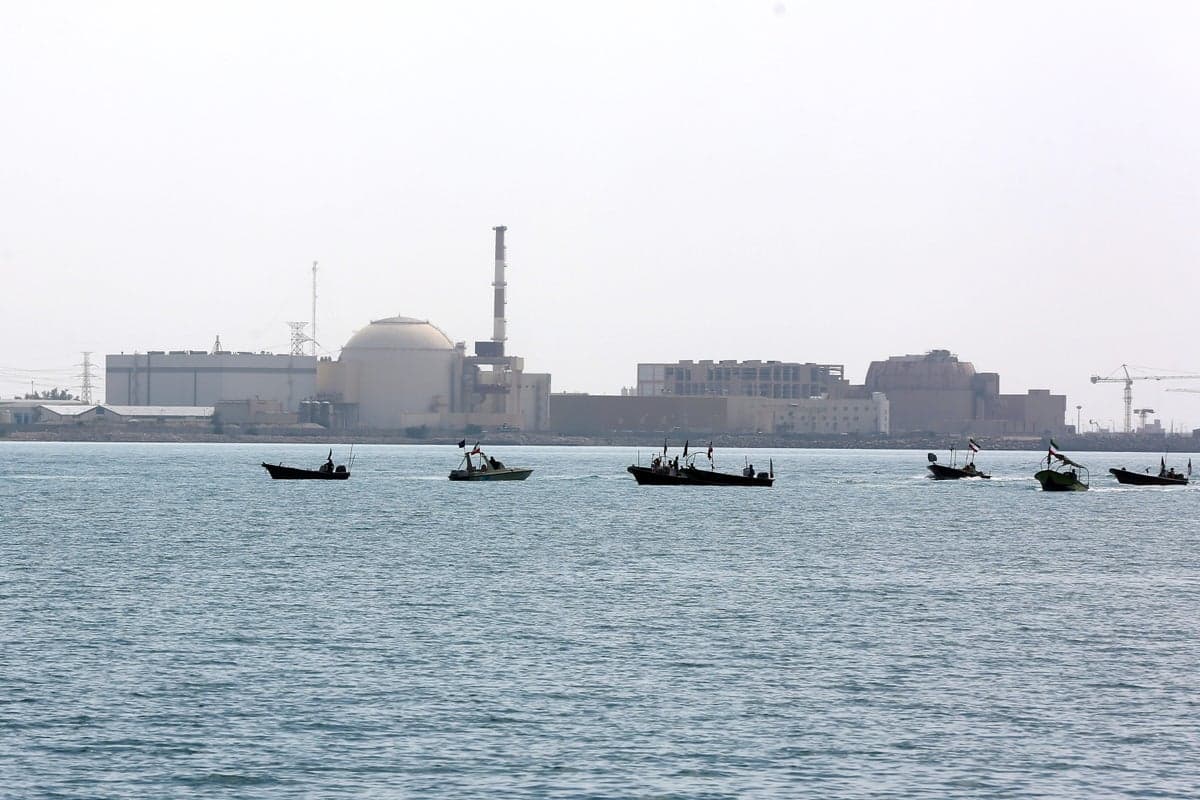
Why Bombing Iran's Nuclear Power Plant Could Cause an Environmental Disaster
Why It Matters
A contamination event would jeopardize regional water security and economic stability, while highlighting the urgent need for international safeguards on nuclear sites in wartime.
Key Takeaways
- •Bushehr houses Iran's only nuclear reactor, 915 MW capacity
- •Cesium‑137 release could contaminate Persian Gulf water supplies
- •Loss of cooling, not explosion, is primary accident pathway
- •Regional desalination depends on Gulf water; contamination risks crisis
Pulse Analysis
The Bushehr plant, Iran’s sole 915‑megawatt VVER‑V‑446 reactor, sits on the Persian Gulf’s shoreline, making it uniquely vulnerable to military action. Analysts stress that a direct hit could rupture cooling ponds that store spent fuel, unleashing cesium‑137—a highly soluble radionuclide with a 30‑year half‑life—into the sea. Unlike a dramatic blast, the most probable scenario involves a gradual loss of power and backup cooling, mirroring the chain of events that led to the Fukushima meltdowns in 2011.
Cesium‑137’s solubility means it can quickly disperse through seawater, contaminating the Gulf’s extensive desalination infrastructure that supplies drinking water to Qatar, the United Arab Emirates, Saudi Arabia, and other Gulf states. Even a modest concentration would force plants to shut down, creating an immediate water crisis for millions. While reverse‑osmosis can strip cesium from water, the technology requires time and costly retrofits, underscoring the economic fallout of any nuclear incident in the region. Fisheries, a cornerstone of local economies, would also face long‑term bans due to radioactive contamination.
Beyond the immediate environmental stakes, the Bushehr scenario signals a broader strategic challenge: nuclear facilities are increasingly becoming collateral in geopolitical conflicts. The 2022 seizure of Ukraine’s Zaporizhzhia plant set a precedent that adversaries may target reactors to cripple power grids or force shutdowns. As nations pursue nuclear energy to meet climate goals, the lack of clear international rules for protecting plants in war zones could deter investment and raise insurance costs. Policymakers therefore must prioritize robust physical security, redundant cooling systems, and diplomatic norms that keep nuclear sites off the battlefield.
Why bombing Iran's nuclear power plant could cause an environmental disaster
Comments
Want to join the conversation?
Loading comments...