Will Sodium-Ion Batteries Revolutionize Electric Ships?
Key Takeaways
- •2 GWh sodium‑ion batteries needed for Rotterdam‑NY route.
- •Batteries add <5% cargo volume and ~650 mt weight.
- •$20/kWh SIBs cut OPEX by ~$2.5 M annually.
- •Electric propulsion saves ~ $16 M present value over 25 years.
- •Break‑even battery cost rises to $40/kWh with higher fuel prices.
Pulse Analysis
Sodium‑ion technology is reaching a tipping point as manufacturers promise $20/kWh cells within the next three years. Compared with lithium‑iron‑phosphate, the new chemistry offers comparable volumetric energy density (≈ 485 Wh/L) while tolerating passive cooling, a crucial advantage for marine environments where space and thermal management are at a premium. This cost trajectory aligns with the shipping industry’s urgent need to meet IMO carbon‑reduction targets, and it opens a realistic pathway for retrofitting existing Panamax vessels with battery‑electric propulsion systems.
The economic calculus hinges on the stark contrast between diesel fuel and grid electricity. At current VLSFO prices of $570 per metric ton, the effective energy cost is about $10.56 per kWh, whereas industrial electricity in the United States averages $0.084 per kWh. For a typical Atlantic crossing requiring 2 GWh, the fuel bill exceeds $21 million, while the same energy from a sodium‑ion pack costs roughly $40 million in capital plus $0.09 per kWh to store, yielding an annual operating‑cost advantage of over $2 million. When maintenance savings—near‑zero for electric drivetrains—are added, the total OPEX advantage grows to roughly $2.5 million per year.
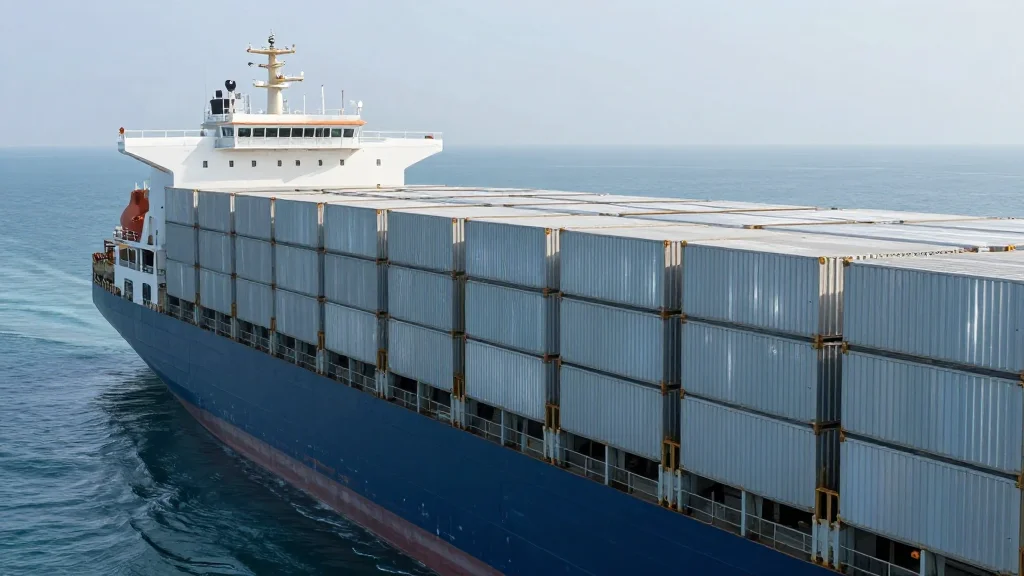
Beyond the balance sheet, the modest cargo‑volume penalty (about 125 TEU, less than 5% of a Panamax’s capacity) and a manageable weight increase (≈ 650 mt after accounting for motor weight savings) mean that ship owners can adopt the technology without sacrificing revenue‑generating space. Over a 25‑year service life, the present‑value savings are projected at $16 million, with the breakeven battery cost sliding to $40/kWh if fuel prices rise further. These figures suggest that, once sodium‑ion batteries hit the $20‑30/kWh range, large‑scale electric shipping will become economically compelling for routes of 5,000‑6,000 km, accelerating the maritime sector’s transition to low‑carbon operations.
Will Sodium-Ion Batteries Revolutionize Electric Ships?
Comments
Want to join the conversation?