10 Hidden Spots in Spain to See the Rare Sunset Total Solar Eclipse on Aug. 12
Companies Mentioned
Why It Matters
The eclipse creates a niche tourism boost for remote Spanish regions, driving visitor spending and international exposure. It also offers astronomers and photographers a unique low‑sun totality opportunity rarely available elsewhere.
Key Takeaways
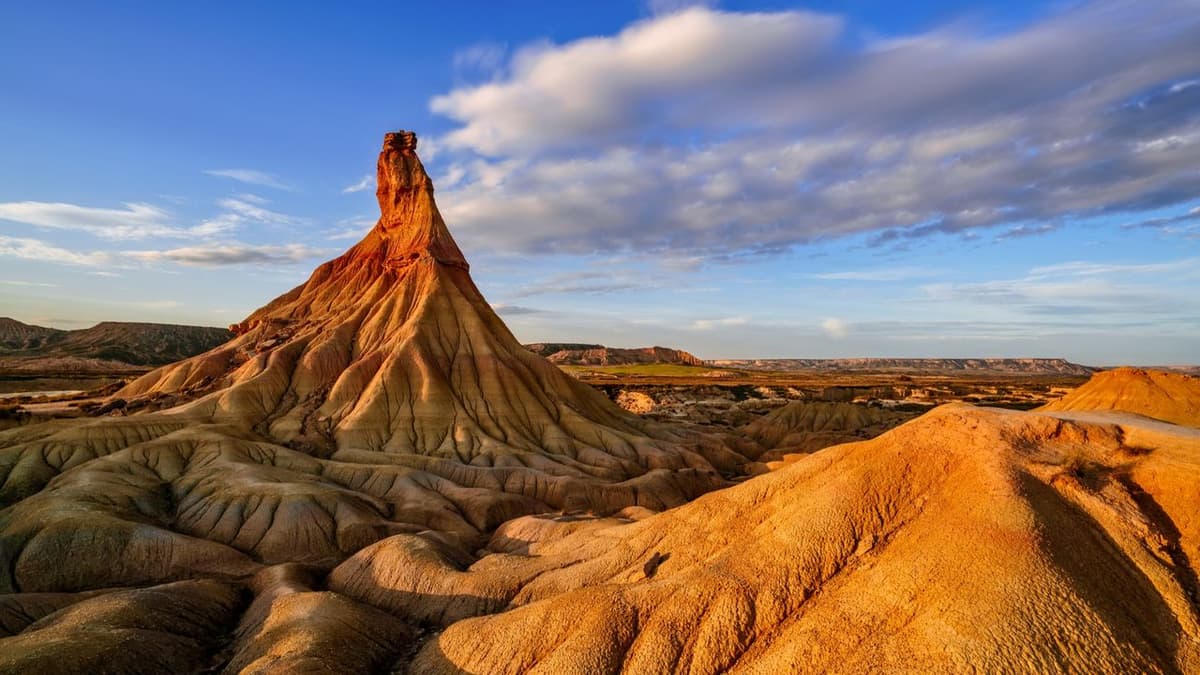
- •Castildetierra offers 1‑minute 4‑second totality at 6.7° altitude.
- •Menorca's Talatí de Dalt provides low‑angle eclipse with 1‑minute 7‑second duration.
- •Laguna de Gallocanta's flat salt lake ensures clear 360° sightlines.
- •Arcos de las Salinas hosts ticketed event at Europe’s largest astronomy center.
- •Lago Enol’s mountain view faces high cloud risk, 58% historic cloud cover.
Pulse Analysis
The August 12, 2026 total solar eclipse will be one of the few events where totality occurs just before sunset, casting a twilight glow across the Iberian Peninsula. As the Moon’s umbra slides from the Atlantic coast to the Mediterranean, the Sun will be blocked for only 45 to 103 seconds at altitudes ranging from 1.5° to 9.7°, creating a dramatic corona against a dimming horizon. Astronomers value this geometry because it allows simultaneous observation of the solar corona and the atmospheric scattering that occurs at low solar elevations, a combination seldom captured in modern eclipse records.
For the hospitality sector, the eclipse represents a high‑value, short‑term demand spike. Remote villages such as Castildetierra in Navarre or the medieval town of Calatañazor can expect influxes of eclipse chasers, photographers, and science tourists, many of whom book premium accommodations and guided tours. Local authorities in Arcos de las Salinas are already planning a ticketed event at the Galáctica outreach centre, leveraging the spectacle to showcase Spain’s astronomy education network. The projected visitor spend—ranging from lodging and dining to transport and memorabilia—could inject several million euros into these sparsely populated economies.
Successful viewing hinges on meticulous planning. Organizers recommend using tools like Xavier Jubier’s interactive map, the Eclipse App, and real‑time cloud‑cover forecasts from Time and Date to select sites with the lowest historical cloud probability. Travelers should arrive a day early to secure parking, verify unobstructed sightlines, and bring proper solar filters for the partial phases. As astro‑travel gains traction, the 2026 eclipse underscores a growing market where scientific curiosity meets experiential tourism, prompting destinations worldwide to develop infrastructure that balances safety, accessibility, and preservation of natural landscapes.
10 hidden spots in Spain to see the rare sunset total solar eclipse on Aug. 12
Comments
Want to join the conversation?
Loading comments...