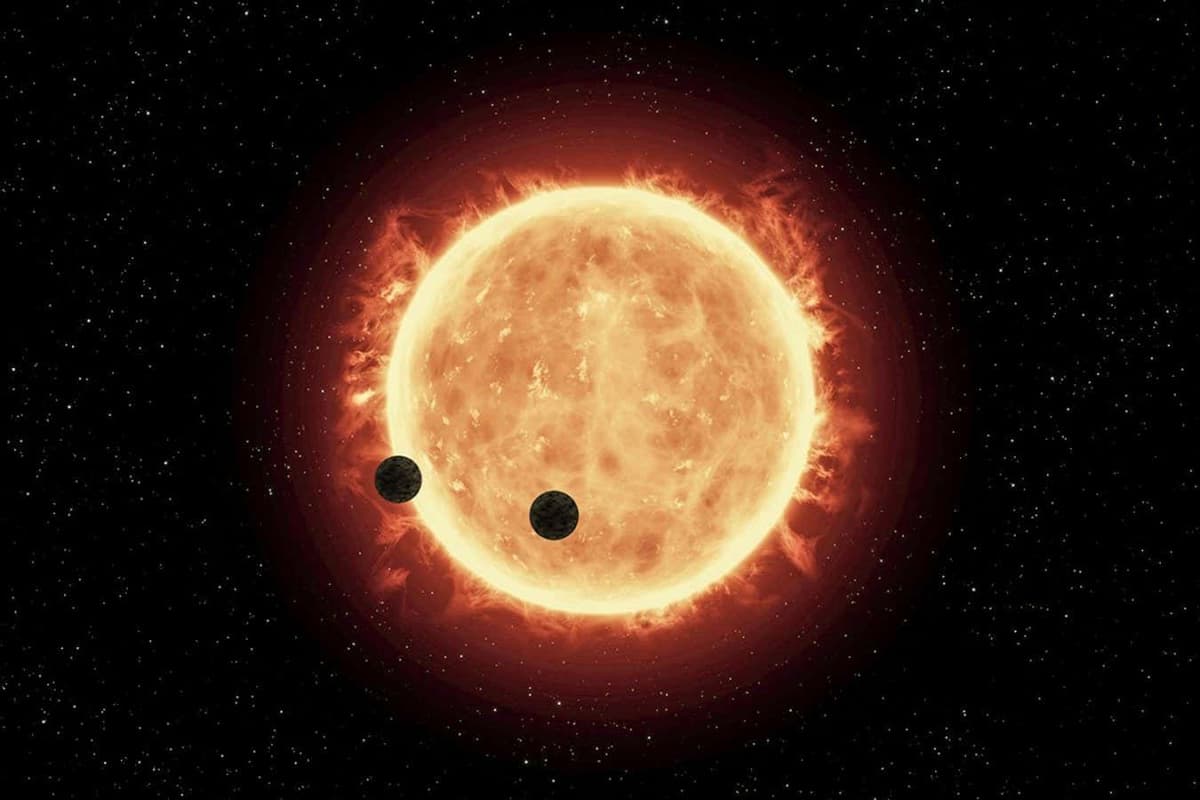
10,000 New Planets Found Hidden in NASA Telescope Data
Why It Matters
The surge in candidate planets broadens the target list for future habitability research and guides telescope time allocation, while demonstrating AI’s capacity to accelerate astronomical discovery.
Key Takeaways
- •Over 10,000 exoplanet candidates identified in TESS archive
- •Discovery represents ~20% increase in known exoplanet inventory
- •Machine‑learning algorithms uncovered signals missed by original analyses
- •Many candidates are Earth‑size planets in temperate zones
- •Highlights AI’s role in accelerating astronomical research
Pulse Analysis
The Transiting Exoplanet Survey Satellite, launched in 2018, has already reshaped our view of nearby planetary systems, but its full potential remained untapped until a recent AI‑driven sweep. By applying deep‑learning classifiers to the entire TESS light‑curve repository, researchers extracted subtle transit signatures that conventional pipelines overlooked. This methodological upgrade not only boosted detection efficiency but also revealed a diverse set of worlds, from super‑Earths to mini‑Neptunes, many residing in their stars' habitable zones.
Beyond the sheer numbers, the discovery carries strategic implications for the exoplanet community. With an expanded catalog, mission planners can prioritize high‑value targets for follow‑up spectroscopy using assets like the James Webb Space Telescope and upcoming ground‑based observatories. The influx of Earth‑size candidates refines statistical models of planet occurrence rates, sharpening estimates of how common potentially life‑supporting worlds are in the Milky Way. Moreover, the success of machine‑learning pipelines validates a growing trend toward automated, large‑scale data mining across astrophysics.
Looking ahead, the integration of AI into archival research promises a continuous pipeline of discoveries without new hardware investments. Commercial entities eyeing space‑based data for marketable insights—such as exoplanet tourism concepts or proprietary analytics—may find new opportunities in these findings. Ultimately, the 10,000‑planet haul not only enriches scientific knowledge but also illustrates how advanced algorithms can unlock hidden value in existing datasets, setting a precedent for other fields reliant on big data.
10,000 new planets found hidden in NASA telescope data
Comments
Want to join the conversation?
Loading comments...