15 Years After the Eradication of Rinderpest, Lessons Still Ring True
Why It Matters
The rinderpest eradication provides a proven blueprint for tackling emerging livestock diseases, safeguarding global food security and billions in agricultural revenue.
Key Takeaways
- •Heat‑stable vaccine eliminated cold‑chain barrier in remote regions.
- •Community‑driven vaccination boosted coverage where traditional campaigns failed.
- •Participatory epidemiology linked local knowledge to disease surveillance.
- •Rinderpest eradication model guides current PPR and livestock disease control.
- •Eradication saved billions in agricultural losses and improved food security.
Pulse Analysis
The rinderpest virus, known as cattle plague, ravaged herds across Europe, Asia and Africa for centuries, triggering famines that claimed millions of human lives. By the early 20th century the disease had wiped out up to 200 million cattle in Europe and decimated 90 percent of Ethiopia’s oxen, turning fertile fields into wastelands. When the United Nations declared rinderpest eradicated in 2011, it became only the second pathogen ever eliminated, joining smallpox in a rare achievement that reshaped global livestock economics and food security.
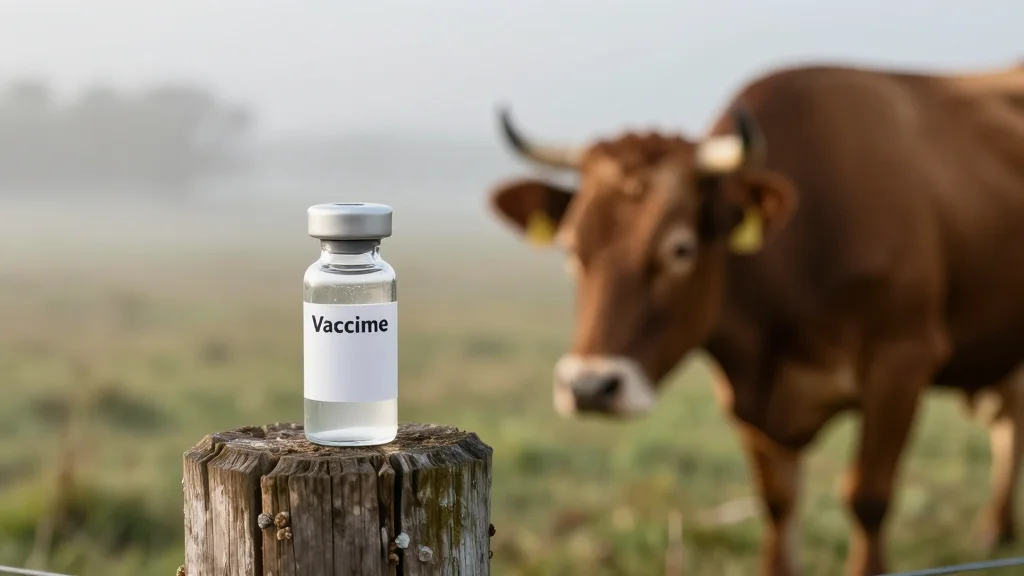
The breakthrough that turned eradication from a distant dream into reality was a heat‑stable, freeze‑dried vaccine capable of surviving 30 days at 98 °F without refrigeration. This eliminated the costly cold‑chain logistics that had stalled earlier campaigns in remote ranching communities. Equally vital was a shift toward participatory epidemiology: local herders were trained to administer shots, monitor herd health, and report outbreaks, creating a feedback loop between scientists and the field. The combined scientific and social innovations accelerated coverage, ensuring that even the most isolated animals received protection.
Today the rinderpest playbook informs the fight against peste des petits ruminants (PPR), a goat plague that threatens 1.5 billion small ruminants worldwide. Vaccine manufacturers are investing in thermostable formulations and digital surveillance platforms that echo the participatory model pioneered in the 1990s. For agribusinesses, the economic calculus is clear: preventing a single outbreak can spare billions in lost meat, milk and draft power. Policymakers and donors are therefore prioritising community‑led immunisation programmes, recognizing that the blend of cold‑chain‑free vaccines and grassroots monitoring is the most scalable path to future animal‑health eradications.
15 years after the eradication of rinderpest, lessons still ring true
Comments
Want to join the conversation?
Loading comments...