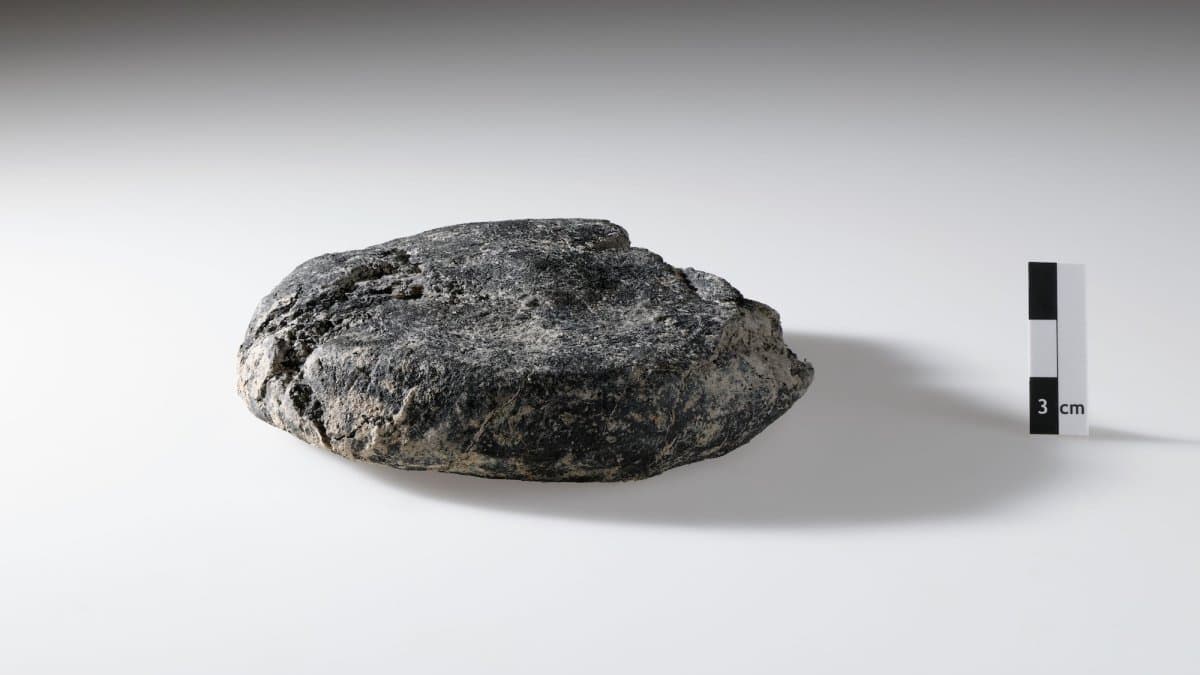
2,000-Year-Old Roman Bread Discovered Under Construction Site
Why It Matters
The bread provides concrete evidence that Rome established a permanent foothold in present‑day Switzerland sooner than scholars thought, reshaping timelines of northern frontier expansion. It also illustrates how everyday food items can illuminate the daily lives of ancient soldiers, enriching historical narratives.
Key Takeaways
- •Charred flatbread dates ~2,000 years, found near Roman fort Vindonissa.
- •Discovery suggests permanent Roman military presence earlier than previously believed.
- •Organic artifacts like bread survive only through carbonization or exceptional conditions.
- •Find humanizes history, showing soldiers’ everyday diet in ancient Switzerland.
Pulse Analysis
Organic materials rarely survive the test of time, making each discovery a window into the past. The charred flatbread from Vindonissa joins a short list of carbonized food items, such as the famed loaves from Pompeii, that have endured because fire sealed them from decay. Scientists use techniques like radiocarbon dating and micro‑analysis to reconstruct recipes, grain types, and cooking methods, turning a burnt crumb into a data‑rich artifact that speaks to ancient culinary practices and preservation conditions.
For Roman military historians, the bread is more than a culinary curiosity; it is a timestamp of logistical capability. Vindonissa, originally a temporary encampment, now shows signs of a permanent supply chain capable of feeding troops with baked goods, suggesting a settled garrison well before the first century CE. This pushes back the chronology of Rome’s northern frontier consolidation, prompting a reassessment of how quickly the empire projected power into the Helvetic region and how it integrated local resources into its supply networks.
Beyond academia, the find captures public imagination, reminding us that everyday objects—bread, pottery, tools—anchor history in human experience. Heritage managers see such artifacts as leverage for community engagement, using the story of a 2,000‑year‑old snack to advocate for careful site monitoring amid modern development. Future interdisciplinary studies, blending archaeology, food science, and digital imaging, could unlock further secrets about diet, trade, and cultural exchange in ancient Europe, reinforcing the value of preserving even the most unassuming remnants of the past.
2,000-year-old Roman bread discovered under construction site
Comments
Want to join the conversation?
Loading comments...