Why It Matters
Because soil fungi survived, restoration programs can skip costly inoculation efforts and concentrate resources on protecting seedlings, improving the odds of Joshua tree recovery.
Key Takeaways
- •Dome Fire killed ~1 million Joshua trees, sparing soil fungi.
- •Mycorrhizal fungal biomass remained stable for three years post‑fire.
- •Fungal diversity slightly increased, with fire‑adapted species joining.
- •Sparse tree spacing limited soil heating, preserving underground microbes.
- •Restoration can omit expensive fungal amendments, focusing on seedling protection.
Pulse Analysis
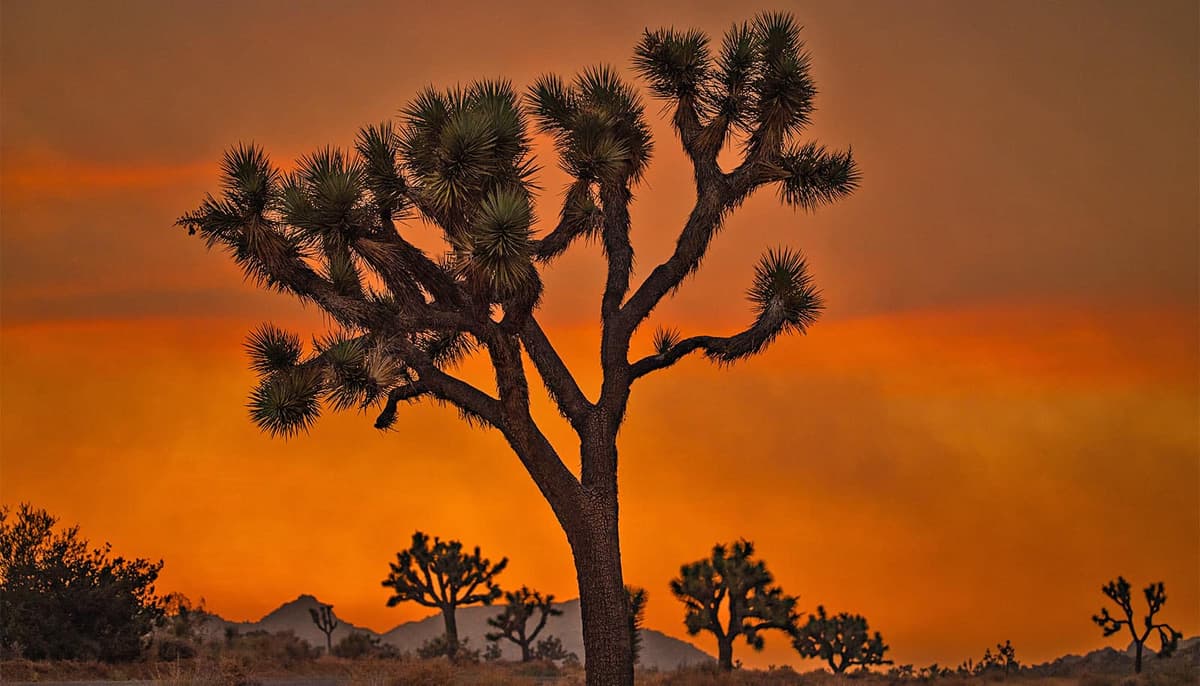
The Dome Fire of 2020 ripped through the Mojave’s Cima Dome region, turning a million mature Eastern Joshua trees into blackened skeletons. Ecologists had long assumed that such a high‑intensity blaze would also annihilate the mycorrhizal fungi that live in the soil and supply trees with water and nutrients. Those expectations framed much of the early post‑fire discourse, with many fearing that the invisible underground network would need artificial restoration before the iconic trees could rebound.
A team led by UC Riverside fungal ecologist Sydney Glassman sampled both burned and unburned plots repeatedly from two weeks after the fire through three years later. Their analysis, published in *Fire Ecology*, revealed no significant drop in fungal biomass, microbial richness, or overall bacterial and fungal abundance. In fact, certain mycorrhizal fungi and bacteria showed modest diversity gains, and fire‑specialist species such as *Neurospora discreta* appeared on the surface. The researchers attribute this resilience to the sparse distribution of Joshua trees and associated shrubs, which limited heat penetration into the soil, protecting the subterranean microbial community.
The findings reshape restoration strategies for the Mojave. Since the fungal partners remain intact, land managers can forego expensive soil inoculation projects and instead allocate funds toward protecting seedlings from drought, herbivory, and competition. This focus on above‑ground interventions streamlines conservation budgets and accelerates recovery timelines for a species already threatened by climate change and habitat loss. Future research will likely explore how to synchronize seedling planting with optimal moisture windows, leveraging the existing fungal network to boost tree establishment rates.
2020 fire killed Joshua trees, but not fungi
Comments
Want to join the conversation?
Loading comments...