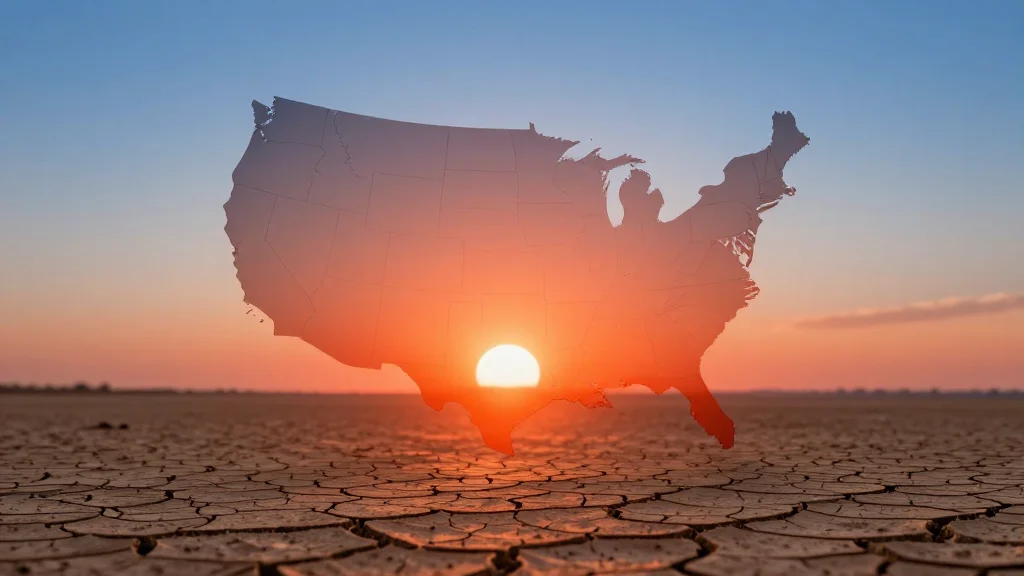
2026 Saw the Hottest March Ever Recorded in the Continental U.S.
Why It Matters
Record-breaking heat underscores the accelerating impact of climate change on U.S. water resources and fire safety, prompting urgent adaptation and policy responses. Businesses and communities face heightened operational and insurance costs as drought and wildfire threats grow.
Key Takeaways
- •March 2026 hottest on record, 9°F above 20th‑century average
- •Ten western states set new March heat records
- •Past 12 months hottest ever for contiguous United States
- •California recorded driest March, under 0.25 inches of rain
- •Record heat amplifies wildfire risk across western U.S.
Pulse Analysis
The National Oceanic and Atmospheric Administration confirmed that March 2026 shattered a 132‑year temperature record for the contiguous United States, registering an average more than nine degrees Fahrenheit above the 20th‑century baseline. This anomaly is part of a broader warming trend; the twelve‑month span ending in March marked the hottest such period on record. While natural variability like La Niña contributed to regional spikes, the dominant driver remains anthropogenic climate change, which is steadily pushing baseline temperatures upward.
The heat wave hit the western United States hardest, with Arizona, California, Colorado, Idaho, Nevada, New Mexico, Oklahoma, Texas, Utah and Wyoming each posting their warmest March ever. In California, precipitation fell below a quarter inch, making it the driest March on record and straining already depleted reservoirs. Agricultural producers face reduced soil moisture and higher irrigation costs, while municipal water supplies confront tighter allocations. These conditions ripple through the economy, affecting everything from crop yields to manufacturing that relies on steady water inputs.
Beyond drought, the combination of soaring temperatures and low humidity creates a tinderbox for wildfires. Fire‑prone regions are seeing longer fire seasons, higher suppression costs, and escalating insurance premiums. Policymakers and utility companies are under pressure to invest in resilient infrastructure, such as fire‑smart grid designs and expanded water storage. As climate projections suggest continued warming, businesses must incorporate climate risk into strategic planning to mitigate operational disruptions and protect asset values.
2026 saw the hottest March ever recorded in the continental U.S.
Comments
Want to join the conversation?
Loading comments...