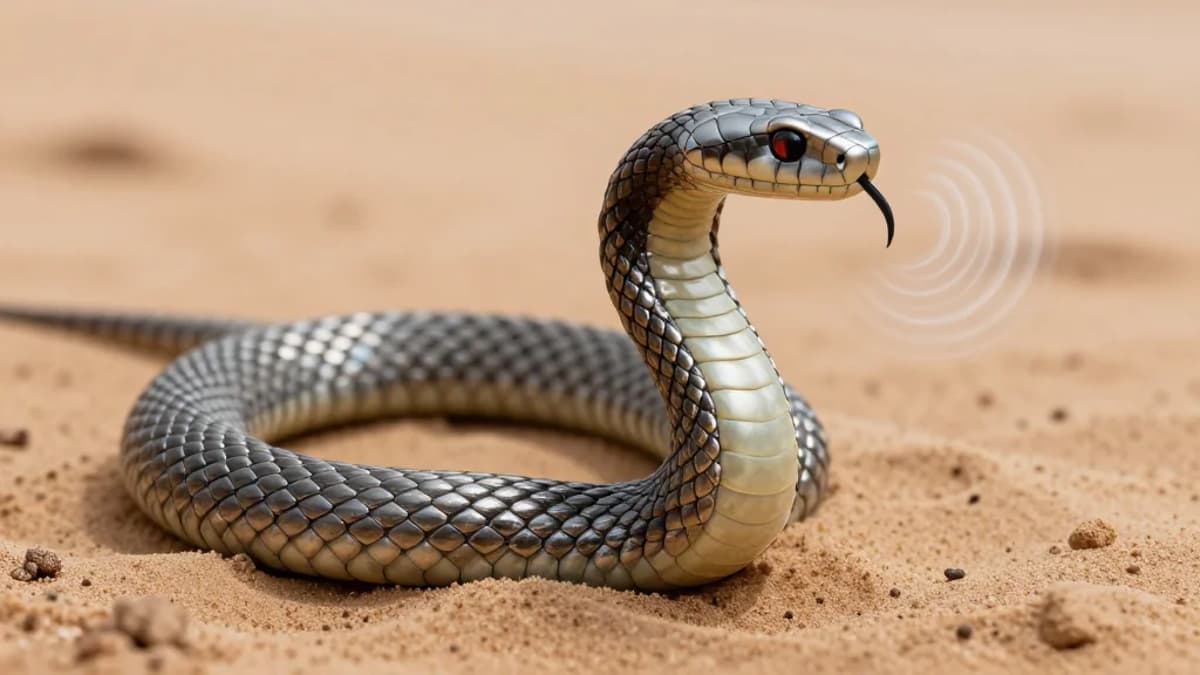
3D-Printed Rattlesnake Reveals How the Rattle Is a Warning Signal
•March 11, 2026
0
Why It Matters
The research confirms that rattlesnake rattles are an innate, evolutionarily tuned warning system, informing broader theories of animal communication and predator‑prey dynamics.
Key Takeaways
- •3D‑printed robotic snake tested animal reactions
- •Rattle triggers stronger avoidance in sympatric species
- •Responses occur without prior learning, indicating innate fear
- •Rattle combines sound, posture, vibration, visual cues
- •Study showcases interdisciplinary method linking engineering and ecology
Pulse Analysis
Rattlesnake rattles have long fascinated biologists as a classic warning signal, yet the mechanisms behind their persistence remained speculative. By framing the rattle as a multimodal display—simultaneously delivering acoustic, visual, and vibratory cues—researchers can explain why the signal deters a broad spectrum of predators. Evolutionary theory predicts that such costly signals survive only when they reliably convey danger, and the new data reinforce that premise, showing the rattle’s effectiveness is rooted in innate predator perception rather than learned avoidance.
The UTEP team’s innovative use of a 3D‑printed, robotically actuated snake allowed precise manipulation of each signal component. Animals were first presented with a silent model, then with the same model emitting authentic rattles harvested from deceased snakes. Across 38 zoo species, the presence of the rattle consistently amplified aversive behavior, with species native to the snake’s geographic range—such as collared peccaries and mountain lions—exhibiting the strongest reactions. Crucially, all subjects were captive‑born, ruling out prior exposure and underscoring an evolutionary, hard‑wired fear response. This methodological breakthrough provides a repeatable platform for dissecting complex animal signals that are otherwise difficult to isolate in the wild.
Beyond rattlesnakes, the study reshapes our understanding of how multimodal warning systems evolve and influence ecosystem dynamics. It highlights the value of interdisciplinary collaboration, merging engineering, behavioral ecology, and evolutionary biology to answer longstanding questions about innate fear and signal efficacy. Future research can extend this approach to other taxa, probing how experience, habitat, and selective pressure modulate responses to deterrent cues. The findings not only deepen scientific insight but also offer practical implications for wildlife management and conservation strategies that rely on manipulating predator‑prey interactions.
3D-printed rattlesnake reveals how the rattle is a warning signal
0
Comments
Want to join the conversation?
Loading comments...