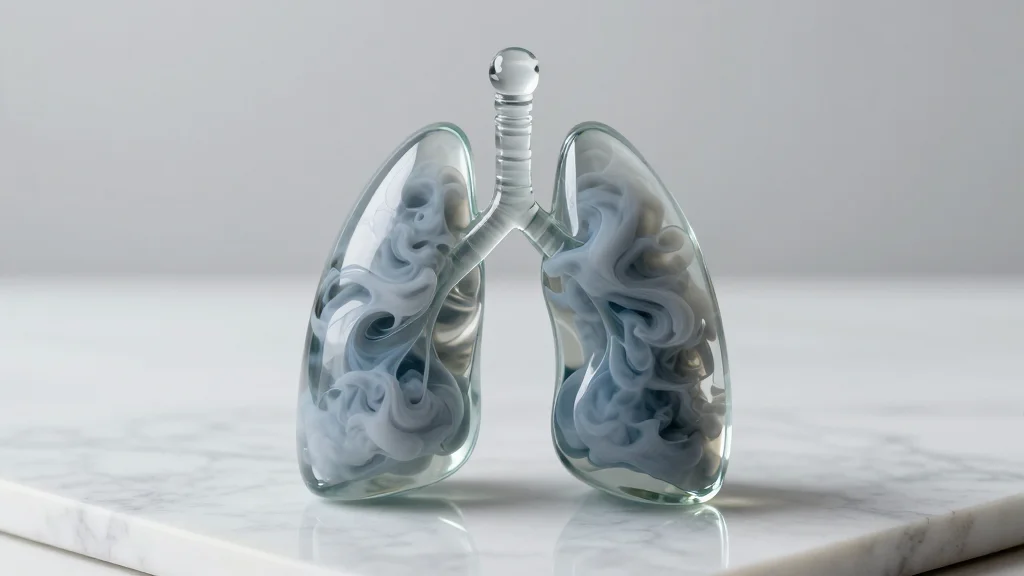
44% of Americans Breathe Dangerously Polluted Air. In California, It's 82%
Companies Mentioned
Why It Matters
Air‑quality deterioration threatens public health and imposes massive economic burdens, while policy rollbacks risk undoing decades of progress. The data underscores urgent need for stronger emissions controls, especially in California’s heavily impacted regions.
Key Takeaways
- •Los Angeles records 159.2 unhealthy ozone days, worst in nation
- •44% of U.S. residents live in failing air‑quality counties
- •Federal rollbacks may cause $145 billion health impacts through 2050
- •Sacramento posts lowest particle pollution, showing regional progress
- •Children face heightened risk; asthma cases rise with smog exposure
Pulse Analysis
The American Lung Association’s latest State of the Air report paints a stark picture for Southern California, where Los Angeles‑Long Beach logged 159.2 unhealthy ozone days—far exceeding federal standards. This metric, combined with high PM2.5 levels, places the region at the top of national smog rankings for 26 of the past 27 years. Nationwide, nearly half of the population now resides in counties that failed at least one air‑quality measure, highlighting a pervasive public‑health challenge that extends far beyond California’s borders.
Policy dynamics are amplifying the crisis. Recent EPA actions—including the rollback of particle‑pollution standards and exemptions for clean‑vehicle rules—could translate into more than $145 billion in cumulative health costs and over 14,000 premature deaths by 2050, according to ALA estimates. These federal moves undermine state‑level initiatives, eroding the legal and regulatory framework that has historically enabled California to lead on emissions reductions. The economic implications are profound, affecting healthcare expenditures, workforce productivity, and family budgets across the nation.
Despite the grim outlook, pockets of progress offer a roadmap for mitigation. Sacramento achieved its lowest recorded particle‑pollution levels, and cities like Salinas and Chico reported zero high‑ozone days. The ALA urges lawmakers to fund zero‑emission truck programs, cleaner agricultural equipment, and consumer‑vehicle incentives. By coupling targeted investments with robust federal standards, policymakers can curb the health toll on vulnerable populations—especially children—and restore a trajectory toward cleaner air for the entire United States.
44% of Americans breathe dangerously polluted air. In California, it's 82%
Comments
Want to join the conversation?
Loading comments...