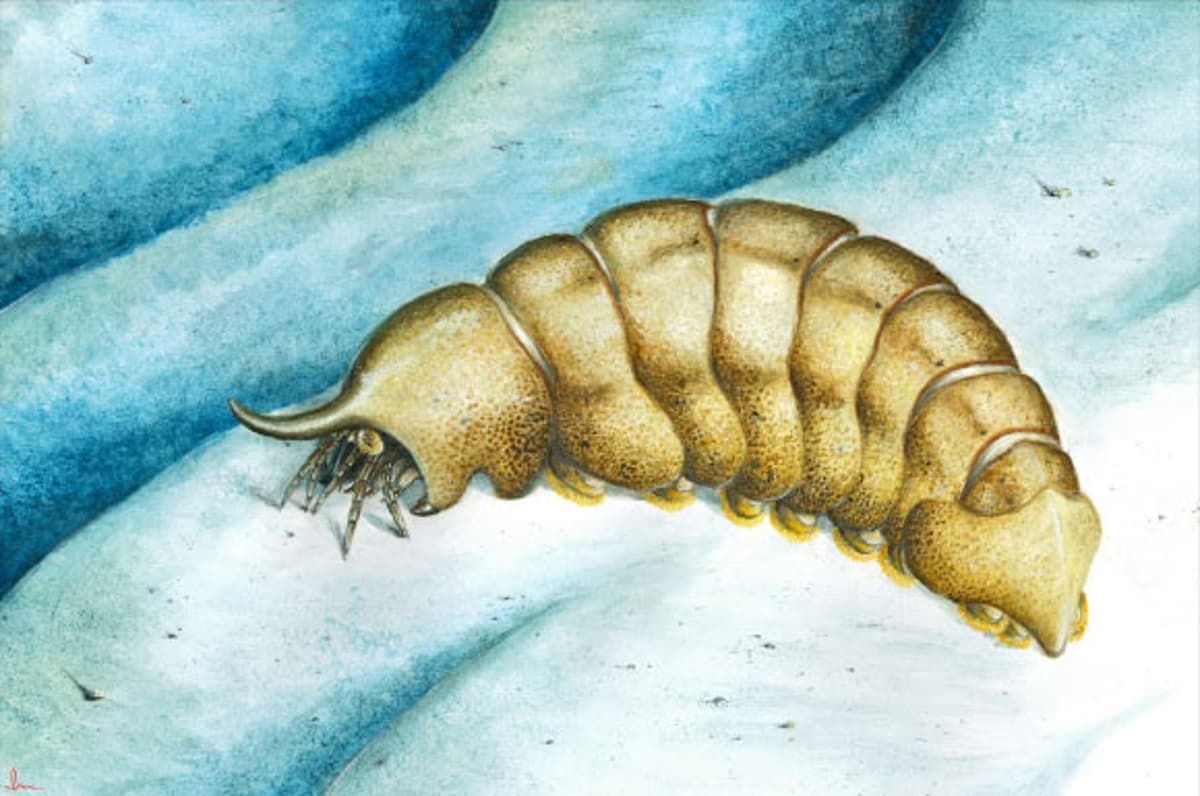
490-Million-Year-Old Arthropod Fossil Fills Puzzling Gap in Fossil Record
Why It Matters
By filling a key interval in the early animal fossil record, the fossil reshapes our understanding of late Cambrian ecosystems and challenges the notion of a biodiversity trough during the Furongian.
Key Takeaways
- •Magnicornaspis garwoodi dates to 490 million‑year‑old Furongian epoch
- •Specimen found in Quebec's Rivière‑du‑Loup Formation shows exceptional preservation
- •Find challenges the perceived Furongian biodiversity gap
- •Suggests sampling bias, not true extinction, drove the gap perception
- •Adds to growing list of late Cambrian soft‑bodied arthropod discoveries
Pulse Analysis
The Furongian interval, sandwiched between the Cambrian Explosion and the Great Ordovician Biodiversification Event, has long been portrayed as a quiet chapter in Earth’s evolutionary saga. Paleontologists attribute this lull to a combination of environmental stressors, such as cooling oceans and shifting chemistry, but the scarcity of fossils from this period has made the narrative speculative. Recent work suggests that the apparent dip may be an artifact of where scientists have looked, with many sedimentary basins remaining under‑explored for soft‑bodied organisms.
Magnicornaspis garwoodi, the newly described corcoraniid arthropod, provides a vivid snapshot of Furongian life. Its broad head shield and defensive spines indicate a well‑adapted predator or scavenger, while the fine lamination of the surrounding rock preserves delicate anatomical details rarely seen in Cambrian‑Ordovician fossils. This level of preservation, emerging from a geological setting not previously recognized for exceptional fossilization, expands the known diversity of arthropods that thrived in late Cambrian seas and underscores the complexity of ecosystems that persisted despite earlier assumptions of decline.
The broader implication of this discovery is a paradigm shift in how paleobiologists model early animal diversification. If sampling bias accounts for much of the perceived Furongian gap, then evolutionary timelines must be recalibrated to reflect a more continuous rise in morphological innovation. Future fieldwork targeting comparable sedimentary facies could uncover additional taxa, refining our picture of pre‑Ordovician ecosystems and informing models of how biodiversity rebounds after major radiations. Such insights are vital for understanding the resilience of life in the face of environmental change, a lesson that resonates with today’s climate challenges.
490-Million-Year-Old Arthropod Fossil Fills Puzzling Gap in Fossil Record
Comments
Want to join the conversation?
Loading comments...