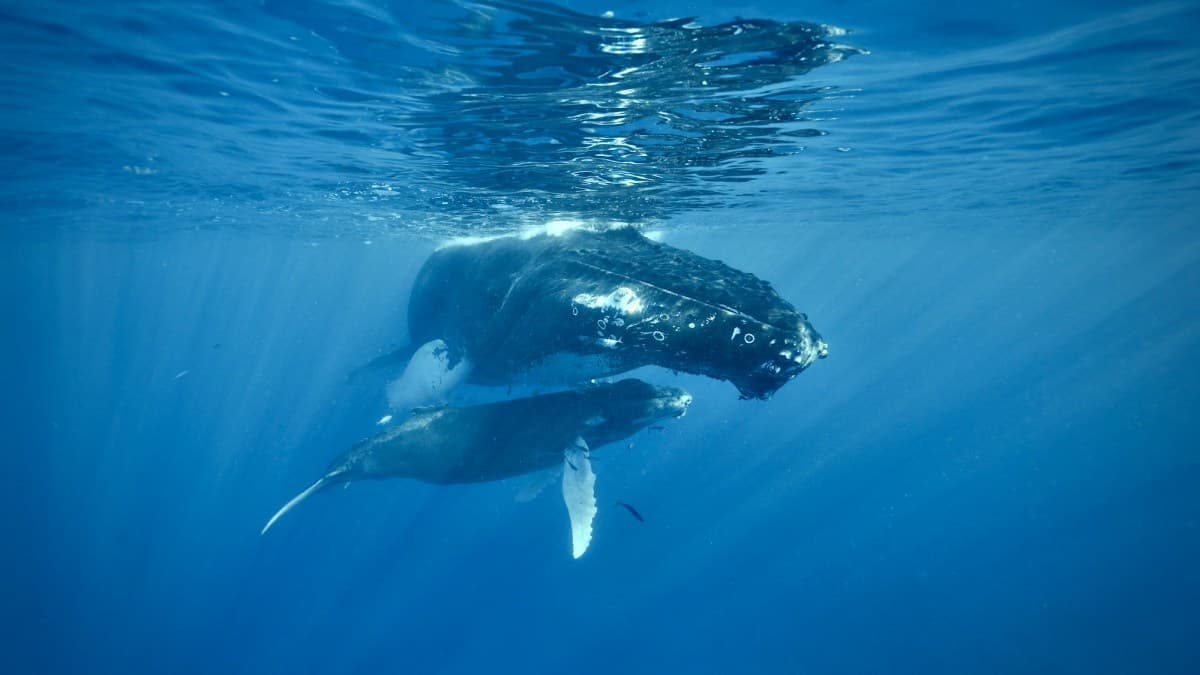
513 Humpback Whales Gather at Massive Caribbean Breeding Ground
Why It Matters
The unprecedented gathering demonstrates the success of decades‑long marine conservation and signals the need to safeguard Caribbean breeding sites as climate‑driven range shifts continue.
Key Takeaways
- •513 humpback whales observed at Navidad Bank in one day.
- •Population rose from ~10,000 pre‑1986 to >135,000 today.
- •Navidad Bank lies 62 miles off Dominican Republic, a dense breeding ground.
- •Observation occurred before typical March‑April migration peak.
- •Data will be shared with the International Whaling Commission for policy.
Pulse Analysis
The resurgence of humpback whales is one of the most compelling wildlife conservation stories of the 21st century. After the 1986 global ban on commercial whaling, the species rebounded from an estimated 10,000 individuals to over 135,000 today, a recovery driven by stricter regulations, protected marine areas, and growing public awareness. This population boom has enabled scientists to document extraordinary events, such as the recent sighting of 513 whales congregating at Navidad Bank, a shallow coral platform off the Dominican Republic.
Navidad Bank’s emergence as a dense breeding ground reflects broader ecological shifts. Warmer ocean temperatures are nudging whales toward lower‑latitude habitats earlier in the season, expanding the traditional Caribbean nursery corridor. The concentration of whales before the usual March‑April migration window suggests that the region may become a permanent fixture in humpback life cycles, attracting ecotourism operators and research vessels alike. This influx also offers local economies new opportunities for sustainable tourism while raising the stakes for protecting fragile coral ecosystems that support both marine life and coastal communities.
Policymakers are taking note. The data collected by EYOS Expeditions, Fundación Puntacana, and FUNDEMAR will be submitted to the International Whaling Commission, bolstering arguments for expanded marine sanctuaries and stricter vessel traffic regulations around key habitats. Continued monitoring will be essential to balance conservation goals with growing commercial interest, ensuring that the Caribbean remains a safe haven for humpbacks amid accelerating climate change. Stakeholders from governments to NGOs must collaborate to translate scientific insights into actionable protection measures.
513 humpback whales gather at massive Caribbean breeding ground
Comments
Want to join the conversation?
Loading comments...