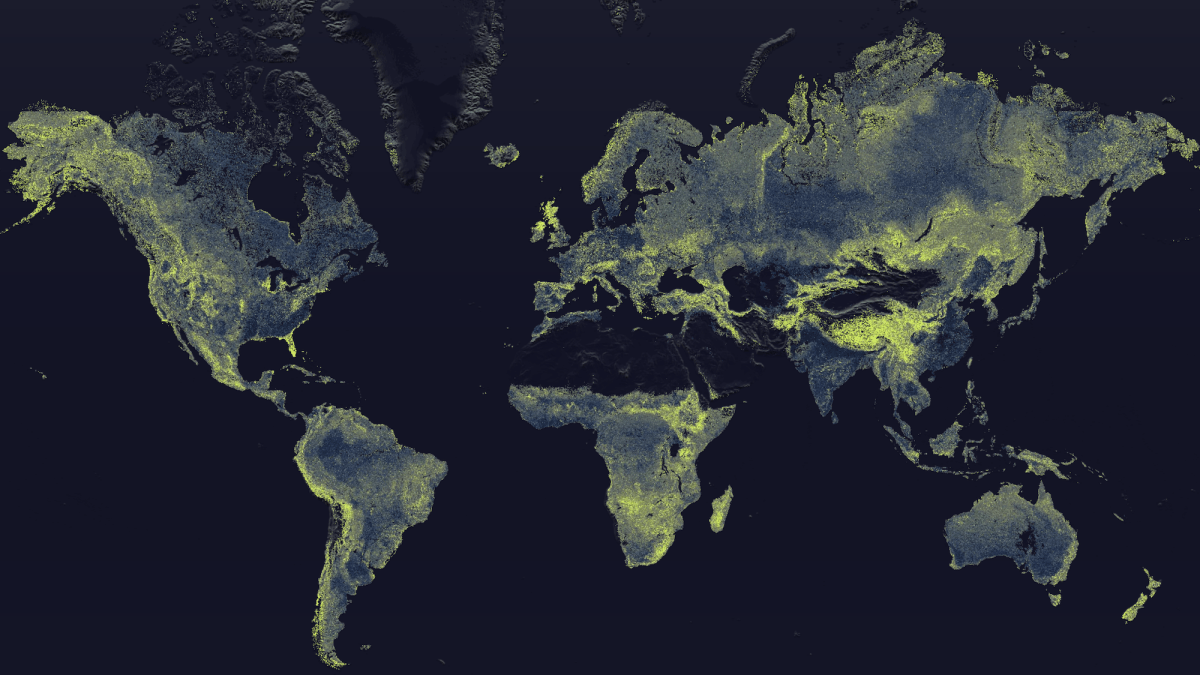
621 Trillion Miles of Fungi Networks Crisscross the Planet
Why It Matters
The findings quantify a massive, previously hidden carbon sink, highlighting fungi’s role in climate mitigation and the risk that land‑use change poses to this natural service. Protecting and restoring fungal networks could enhance soil health and bolster global carbon‑sequestration strategies.
Key Takeaways
- •621 trillion miles of fungal hyphae mapped globally
- •Grasslands host ~40% of underground mycorrhizal networks
- •Fungi transport ~4 billion tons of carbon to soil annually
- •Land conversion can cut fungal networks in half
- •Only <10% of fungal species are formally described
Pulse Analysis
The SPUN initiative’s unprecedented visualization of arbuscular mycorrhizal (AM) fungi reshapes our understanding of Earth’s subterranean infrastructure. By integrating satellite‑derived soil data with field observations, researchers charted more than 621 trillion miles of hyphal pathways, a distance that dwarfs the Earth‑Sun gap many times over. This massive network not only supplies nutrients and water to roughly 70% of plant species but also sequesters an estimated 300 megatons of carbon in the top 15 centimeters of soil, acting as a silent, yet powerful, climate regulator.
Beyond the sheer scale, the study spotlights the functional importance of these fungal highways for carbon cycling. At speeds of up to 120 micrometers per second, AM fungi can move the equivalent of 4 billion tons of CO₂ into the ground each year—about 11% of anthropogenic emissions. This natural sequestration pathway offers a complementary tool for climate mitigation, especially as agricultural practices increasingly rely on soil health. However, the research warns that converting grasslands—home to roughly 40% of the fungal mass—into cropland can slash network density by half, directly undermining this carbon sink.
The conservation implications are stark. With 95% of fungal hotspots lying outside protected zones and less than one‑tenth of known species formally described, policy makers face a knowledge gap that hampers effective stewardship. Prioritizing the preservation of grassland ecosystems, investing in fungal taxonomy, and integrating mycorrhizal health into land‑use planning could safeguard this hidden infrastructure. As climate urgency intensifies, recognizing and protecting the planet’s fungal underworld may become as critical as preserving forests or oceans.
621 trillion miles of fungi networks crisscross the planet
Comments
Want to join the conversation?
Loading comments...