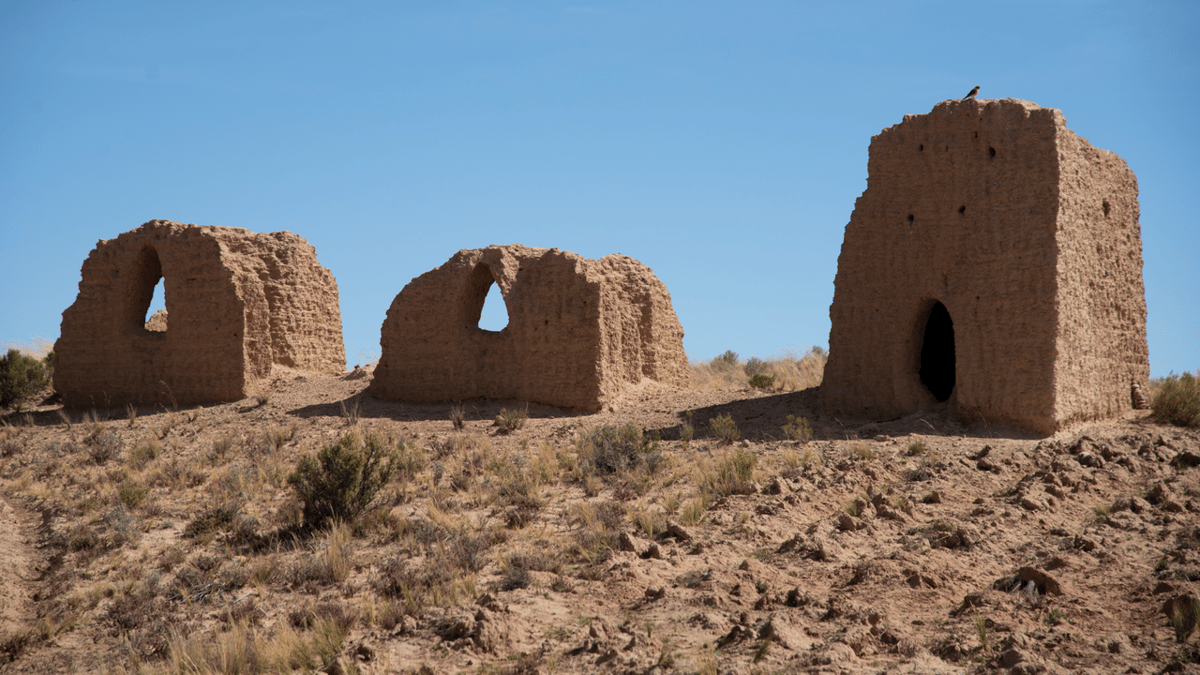
700-Year-Old Mummy From Bolivia Contains Earliest Confirmed Evidence of Strep Throat Bacteria in the Americas
Why It Matters
Demonstrates that major bacterial pathogens circulated in pre‑Columbian populations, reshaping our understanding of disease evolution and ancient public health. It provides a baseline for tracing the global spread and adaptation of Streptococcus pyogenes.
Key Takeaways
- •First ancient DNA evidence of group A strep in the Americas
- •Genome dates to 700‑year‑old Bolivian mummy, predating European contact
- •Strain diverged ~10,000 years ago, aligning with early Andean settlement
- •Findings suggest pre‑Hispanic respiratory infections like strep throat existed
Pulse Analysis
The recovery of a near‑complete Streptococcus pyogenes genome from a 700‑year‑old Bolivian mummy underscores how far ancient‑DNA techniques have progressed. By sequencing bacterial DNA preserved in a single tooth, the research team bypassed the limitations of skeletal lesions and directly identified the pathogen responsible for contemporary strep throat and scarlet fever. This marks the inaugural confirmation of group A strep in any archaeological specimen, filling a gap that has long constrained scholars to modern isolates when reconstructing the bacterium’s deep history.
Phylogenetic reconstruction places the ancient strain on a branch that split from all known lineages about ten millennia ago, a timeline that aligns with the first human migrations into the high Andes. Such an early divergence suggests that S. pyogenes may have co‑evolved with Andean populations, possibly adapting to the region’s cold, dry climate and dense settlement patterns. The genetic similarity of the Bolivian isolate to modern “throat specialist” strains indicates that respiratory infections, rather than skin diseases, were likely prevalent among pre‑Hispanic communities.
These findings carry weight for both historical epidemiology and present‑day public health. Establishing that a major bacterial pathogen existed in the Americas before European contact challenges the narrative that many infectious diseases were introduced solely by colonizers. Moreover, the ancient genome provides a reference point for tracking evolutionary changes that influence virulence, antibiotic resistance, and vaccine targets. As researchers expand the catalog of ancient and contemporary S. pyogenes genomes across continents, they will gain sharper insight into the pathogen’s global spread and its role in shaping human health over millennia.
700-year-old mummy from Bolivia contains earliest confirmed evidence of strep throat bacteria in the Americas
Comments
Want to join the conversation?
Loading comments...