780,000-Year-Old Charcoal Reveals How Early Humans Mastered Fire
Why It Matters
The findings link fuel accessibility to early human site selection, reshaping models of how fire mastery influenced hominin subsistence and mobility. They also demonstrate that complex fire‑use behaviors emerged far earlier than previously documented.
Key Takeaways
- •Driftwood was the main fuel, minimizing selective wood gathering
- •Charcoal diversity exceeds other plant remains, reflecting broader landscape sampling
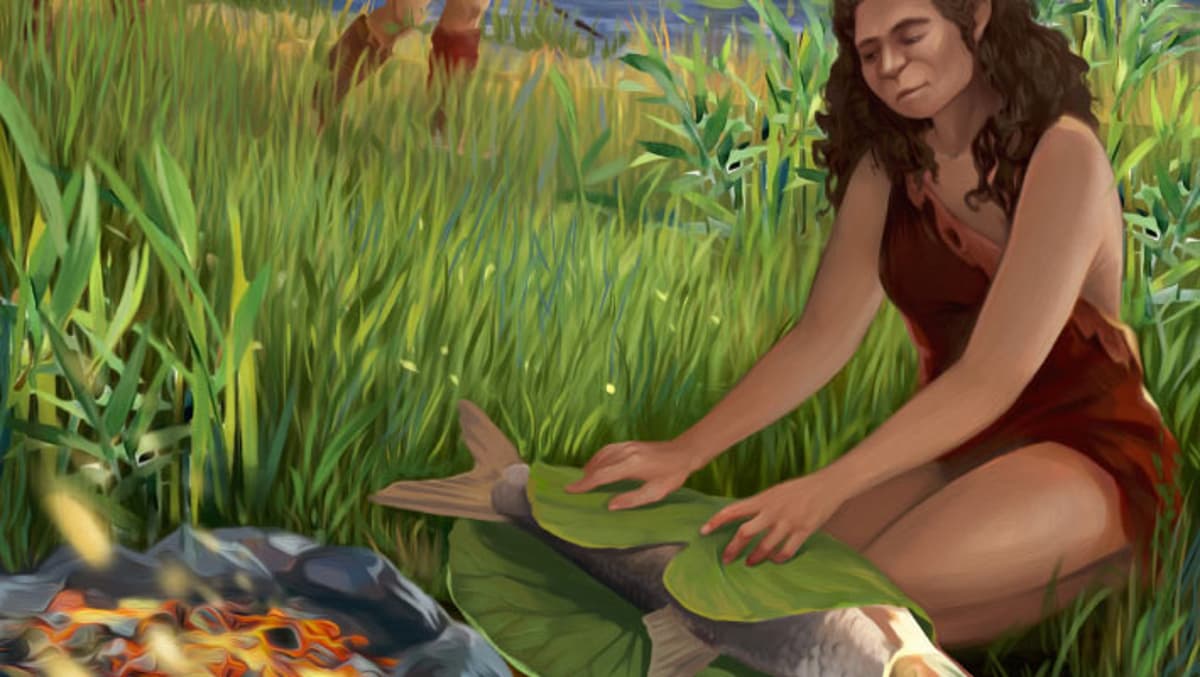
- •Co‑located charcoal and carp teeth imply fish cooking 800,000 years ago
- •Fuel availability likely drove repeated occupation of lakeshore sites
Pulse Analysis
The Gesher Benot Ya’aqov discovery adds a new layer to our understanding of fire’s role in human evolution. By applying high‑resolution electron microscopy to ancient charcoal, researchers could pinpoint the botanical origins of the wood, revealing an unexpectedly broad spectrum of species. This methodological leap not only confirms that early hominins could maintain fire for extended periods but also provides a rare glimpse into their ecological knowledge, showing they harvested readily available driftwood rather than laboriously selecting specific trees.
Beyond the technical achievement, the study reshapes archaeological narratives about settlement dynamics in the Middle Pleistocene. Access to a steady fuel supply along the paleolake Hula shoreline appears to have been a decisive factor in site selection, complementing water, edible plants, and game. The co‑occurrence of charcoal and large‑carp teeth suggests that controlled fire was employed for cooking, indicating a level of culinary planning previously attributed only to later Homo species. This integration of fire into daily subsistence strategies underscores a sophisticated interaction with the environment.
The broader implications extend to models of cognitive development and cultural transmission. Consistent fire use implies not only technical skill but also social coordination for fuel collection, hearth maintenance, and food preparation. As the earliest known evidence of pomegranate and other fruit trees in the Levant, the charcoal record also hints at a diet richer than stone‑tool assemblages alone reveal. Together, these insights reinforce the view that fire was a catalyst for complex behavior, influencing mobility, diet, and ultimately the evolutionary trajectory of early humans.
780,000-Year-Old Charcoal Reveals How Early Humans Mastered Fire
Comments
Want to join the conversation?
Loading comments...