Why It Matters
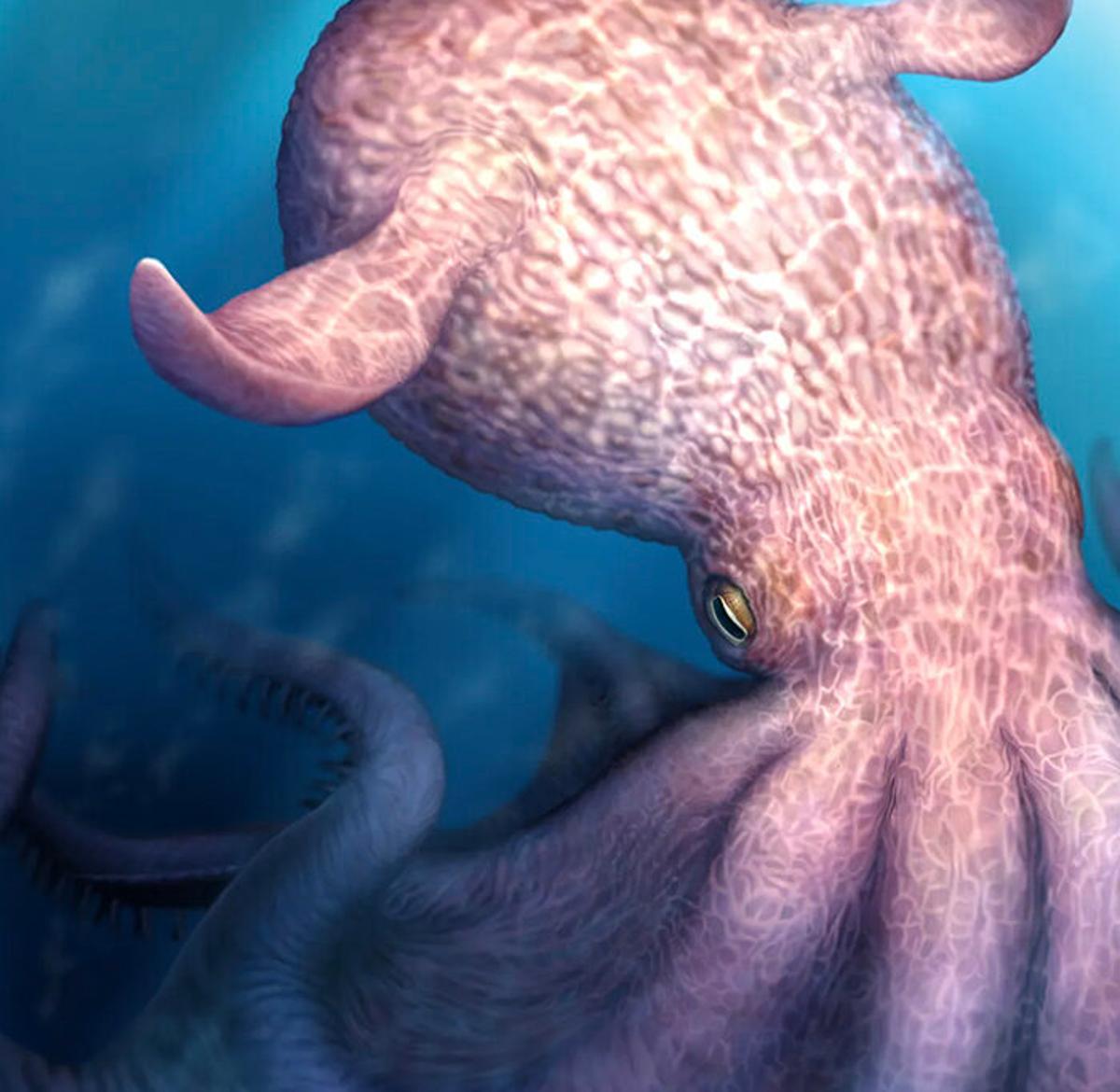
The find reshapes the fossil record of giant cephalopods, proving invertebrates could dominate Cretaceous oceans and altering models of ancient marine ecosystem dynamics.
Key Takeaways
- •Fossil beaks reveal octopus up to 19 m long
- •Size exceeds modern giant squid, rivaling 18‑wheelers
- •Largest known invertebrate in Earth's history
- •Suggests Cretaceous seas hosted apex invertebrate predators
- •Challenges notion that vertebrates ruled marine ecosystems then
Pulse Analysis
The new study underscores how rare soft‑tissue fossils can still illuminate the deep past. Cephalopod beaks, composed of chitin, survive where muscles and skin decay, allowing paleontologists to extrapolate body size from a single hard part. By measuring beak dimensions and applying modern scaling relationships, researchers estimate a mantle length that dwarfs the 13‑meter giant squid known today. This methodological breakthrough not only adds a spectacular entry to the cephalopod lineage but also demonstrates the power of comparative anatomy in reconstructing extinct megafauna.
Ecologically, a 19‑meter octopus would have sat at the apex of Cretaceous marine food webs, preying on ammonites, belemnites, and perhaps even small marine reptiles. Its powerful beak could crush shells that were once considered safe refuges, reshaping predator‑prey dynamics long before the rise of modern sharks. The presence of such a formidable invertebrate suggests that vertebrate dominance in the oceans was not absolute, and that competition for resources may have been far more complex than previously modeled.
Beyond academic circles, the discovery fuels public fascination with sea monsters and informs popular culture’s portrayal of the kraken. It also prompts new questions about cephalopod intelligence, locomotion, and reproductive strategies at extreme sizes. Future expeditions targeting Cretaceous sedimentary basins may uncover additional beaks or even soft‑tissue impressions, refining size estimates and shedding light on the evolutionary pressures that produced such giants. As the fossil record expands, our understanding of ancient marine ecosystems—and the role of invertebrates within them—will continue to evolve.
A 19m-Long Giant Octopus Roamed the Cretaceous Seas
Comments
Want to join the conversation?
Loading comments...