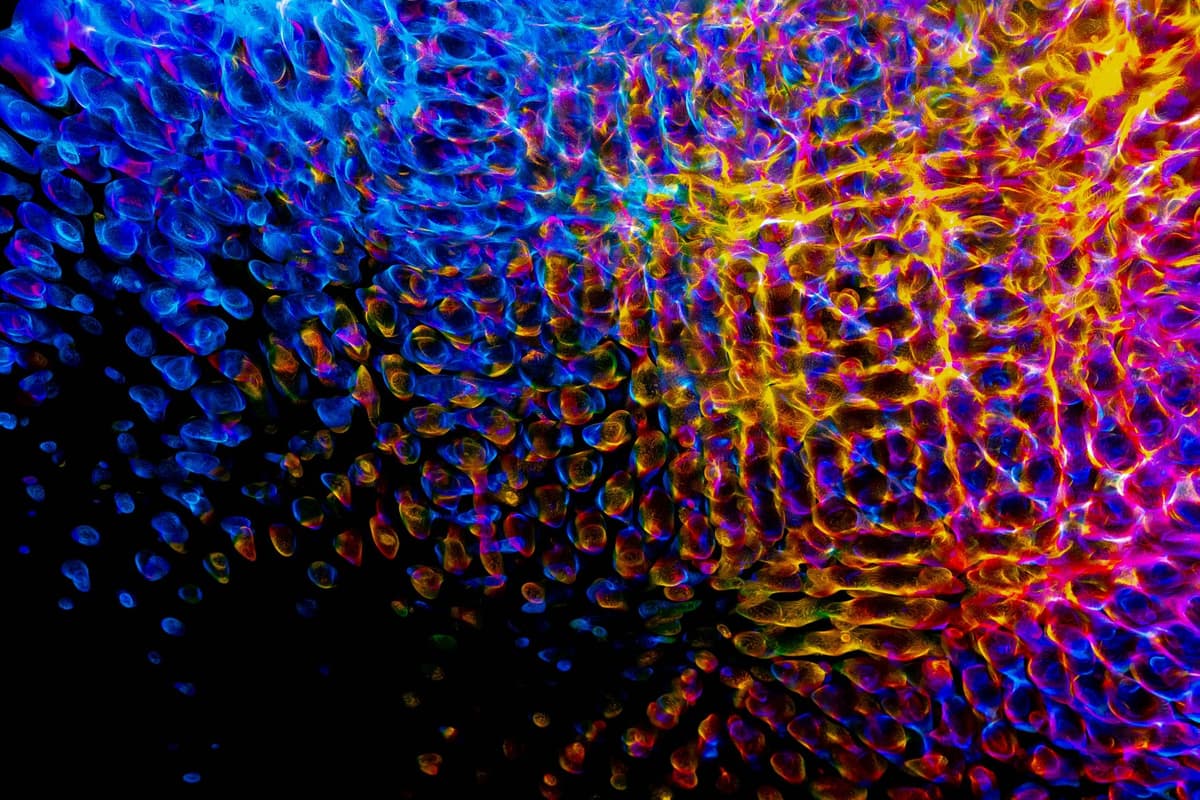
A 2013 University of Michigan Study on Rats Found that in the 30 Seconds After Cardiac Arrest, the Brain Produced a Surge of High-Frequency Gamma Waves More Coherent than During Waking Life, a Neural Fireworks Display some Researchers Think Could Underlie the Vivid Imagery Reported in Near-Death Experiences
Why It Matters
If dying brains generate a hyper‑coherent gamma state, it offers a tangible neural mechanism for near‑death experiences and challenges existing models of consciousness, with potential implications for resuscitation science and end‑of‑life care.
Key Takeaways
- •Rats exhibited a 30‑second gamma burst after cardiac arrest
- •Human EEGs captured similar gamma surges in dying patients
- •Gamma coherence exceeds waking levels, indicating heightened neural synchrony
- •Findings fuel debate on consciousness versus artifact in near‑death experiences
Pulse Analysis
The 2013 Michigan experiment opened a new window onto the dying brain by showing that, contrary to intuition, neural activity does not simply shut down after the heart stops. Gamma waves—fast cortical rhythms linked to attention, memory binding and conscious perception—spiked in a tightly synchronized fashion across frontal and posterior regions. This hyper‑coherent state, lasting roughly half a minute, suggests that the brain can enter a brief window of heightened information integration even as oxygen supply collapses.
Human data have begun to echo the rodent findings. An accidental EEG capture of an epileptic patient who suffered a cardiac arrest in 2022 revealed a matching gamma surge, and a 2023 study of four comatose patients showed the phenomenon in two cases, localized to the posterior cortical hot zone associated with conscious experience. While the sample sizes are tiny and confounded by pre‑existing brain pathology, the replication across species strengthens the hypothesis that gamma bursts could provide the neural substrate for the vivid, often timeless visions described by near‑death experience survivors.
The implications extend beyond academic curiosity. If a brief, highly coordinated gamma episode can generate rich subjective experience, it may inform protocols for monitoring brain activity during resuscitation, offering clinicians a potential biomarker of residual consciousness. Moreover, the findings challenge traditional views that equate loss of global EEG activity with total unconsciousness, prompting a re‑examination of how consciousness is measured at the brink of death. Future research—larger human cohorts, multimodal imaging, and controlled animal models—will be crucial to determine whether gamma coherence is a cause, a correlate, or merely a byproduct of the dying brain’s final neural fireworks.
A 2013 University of Michigan study on rats found that in the 30 seconds after cardiac arrest, the brain produced a surge of high-frequency gamma waves more coherent than during waking life, a neural fireworks display some researchers think could underlie the vivid imagery reported in near-death experiences
Comments
Want to join the conversation?
Loading comments...