A Biodegradable Supercapacitor Delivers Acupuncture-Style Pain Relief
Key Takeaways
- •Single‑atom Fe‑O₄ sites raise capacitance to 279.5 mF cm⁻²
- •Ion adsorption energy falls to –0.43 eV, accelerating charge transfer
- •Device retains 86.1 % capacity after 10,000 cycles, showing durability
- •Fully biodegradable, dissolves in mice by day 120 with no toxicity
- •Daily acupuncture‑style stimulation reduces TNF‑α, IL‑6, IL‑1β, easing pain
Pulse Analysis
The introduction of a single‑atom iron electrode marks a pivotal shift in supercapacitor design. By anchoring individual Fe atoms within an Fe‑O₄ coordination sphere on a porous carbon matrix, researchers achieved a rare combination of higher energy density and rapid ion kinetics. The iron sites add redox activity without trapping sodium ions, as evidenced by a dramatic reduction in adsorption energy from –4.1 eV to –0.43 eV. This breakthrough resolves the classic energy‑speed dilemma that has limited supercapacitors in compact, high‑performance applications.
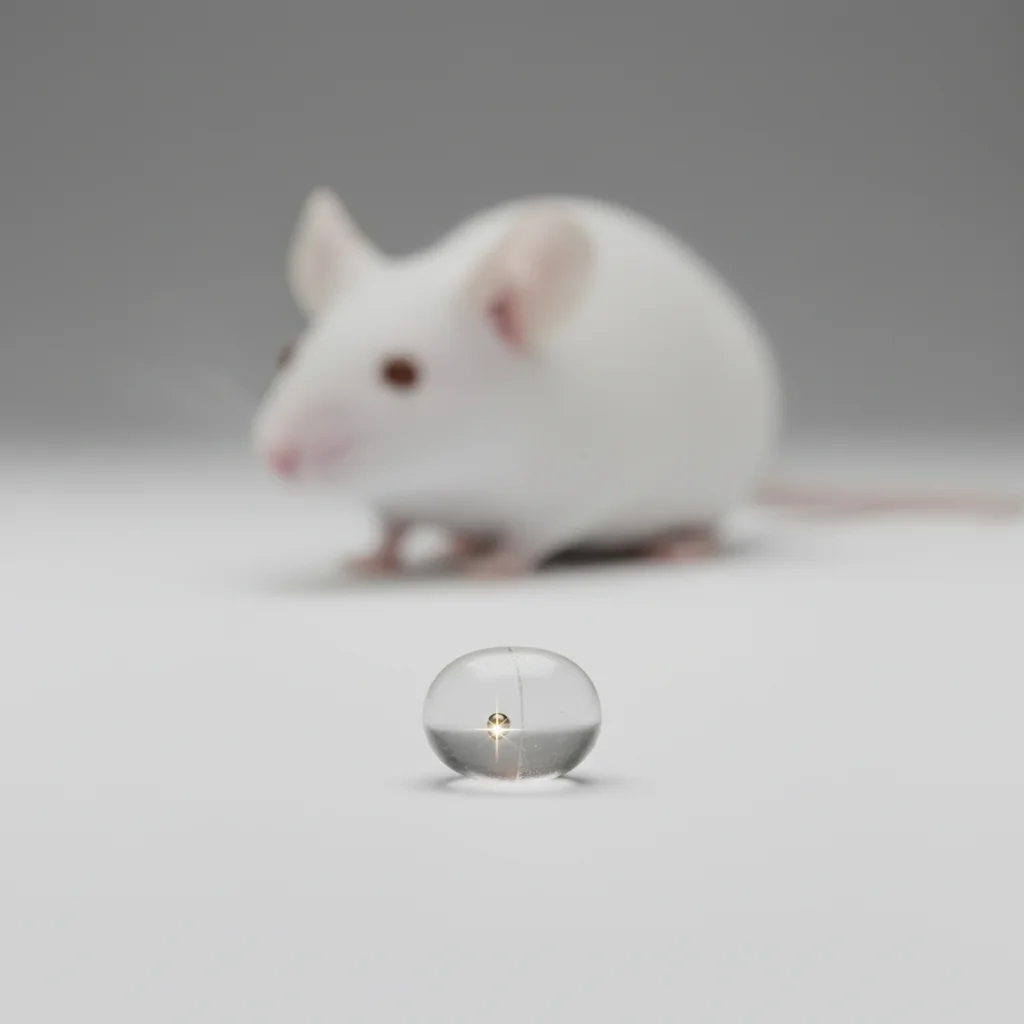
Beyond the electrochemical merits, the device’s fully biodegradable architecture addresses a critical hurdle for implantable electronics. Encased in a polylactic‑acid shell and paired with a biocompatible hydrogel electrolyte, the supercapacitor safely degrades over four months, eliminating the need for surgical removal. In mouse models, daily electrical stimulation at the ST36 acupoint alleviated inflammation, lowered TNF‑α, IL‑6 and IL‑1β levels, and restored normal gait. Such therapeutic outcomes demonstrate that transient power sources can reliably support bio‑electronic therapies while minimizing long‑term foreign‑body risks.
The commercial implications are substantial. As the medical‑device sector seeks minimally invasive, short‑term implants for pain management, wound healing, and neuromodulation, a high‑performance biodegradable supercapacitor could become a standard power platform. Scaling the bio‑inspired self‑assembly process and ensuring consistent single‑atom dispersion will be key challenges, but the underlying chemistry is compatible with existing carbon‑fabrication lines. Future research may extend this approach to other metal atoms or hybrid electrolytes, broadening the range of transient devices from cardiac monitors to drug‑delivery patches, and accelerating the shift toward sustainable, disposable biomedical electronics.
A biodegradable supercapacitor delivers acupuncture-style pain relief
Comments
Want to join the conversation?