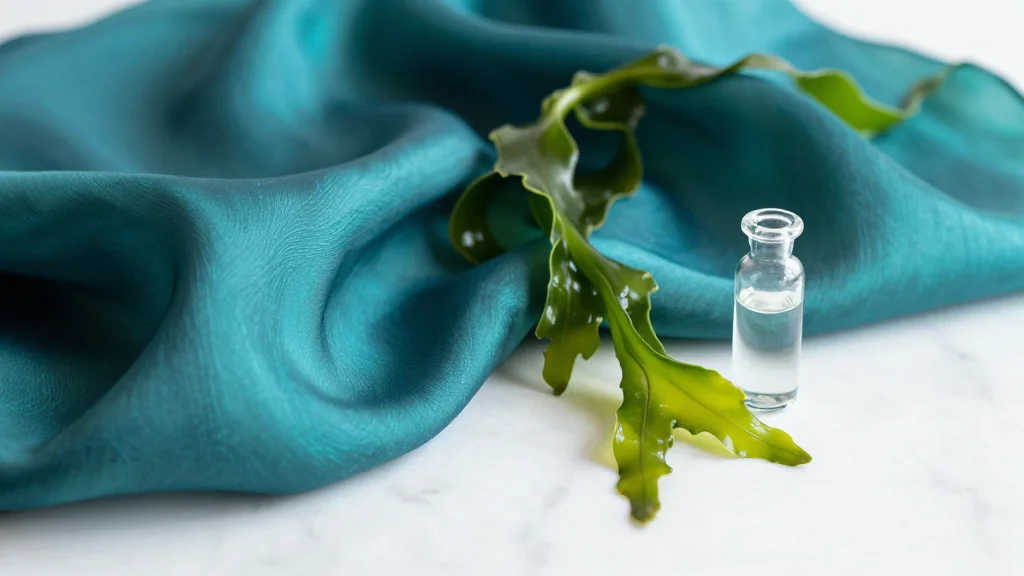
A Blue World Believes Low-Impact, Marine-Based Materials Are the Next Frontier for Fashion
Why It Matters
Marine‑derived materials could dramatically cut the fashion sector’s carbon footprint while opening new product categories. By bridging funding and market access gaps, A Blue World speeds commercialization of sustainable alternatives.
Key Takeaways
- •A Blue World links marine biomaterial research to consumer markets
- •Smartfiber’s Seacell yarn is fully biodegradable and nutrient‑rich
- •Investors cite scaling gap as barrier for marine‑based fashion materials
- •Fabrican’s spray‑on fabric expands applications beyond apparel to healthcare
- •Advisory board includes fashion veterans Thierry Andretta and William Kim
Pulse Analysis
The fashion industry faces mounting pressure to decarbonize, with textiles accounting for roughly 10% of global emissions. Marine biomaterials—derived from seaweed, algae and marine minerals—offer a renewable, low‑impact feedstock that can replace petroleum‑based fibers. Their rapid growth rates, minimal land use and inherent bioactive compounds make them attractive for both performance and sustainability, positioning them as a strategic resource in the next wave of eco‑fashion innovation.
A Blue World serves as a catalyst, uniting scientists, manufacturers and brands to move marine‑based concepts from lab to market. Its acquisition of Smartfiber brings patented Seacell yarns—100% biodegradable fibers enriched with vitamins and antioxidants—into the mainstream, already adopted by B‑Corp label Another Tomorrow and skin‑first brand Sylva. Partnerships with Fabrican further diversify applications, leveraging spray‑on biopolymer fabrics for clothing, medical patches and even automotive interiors. By providing capital, advisory expertise and a collaborative network, the platform addresses the chronic scaling gap that stalls many promising materials.
For investors and fashion houses, this ecosystem signals a shift toward regenerative supply chains and new revenue streams. As consumer demand for transparent, low‑impact products rises, marine‑based textiles could command premium pricing while reducing reliance on fossil inputs. However, challenges remain in large‑scale cultivation, consistent quality and regulatory approval. Continued funding and cross‑industry collaboration will be essential to unlock the full potential of ocean‑derived fibers, positioning them as a cornerstone of sustainable fashion in the decade ahead.
A Blue World Believes Low-impact, Marine-based Materials Are the Next Frontier for Fashion
Comments
Want to join the conversation?
Loading comments...