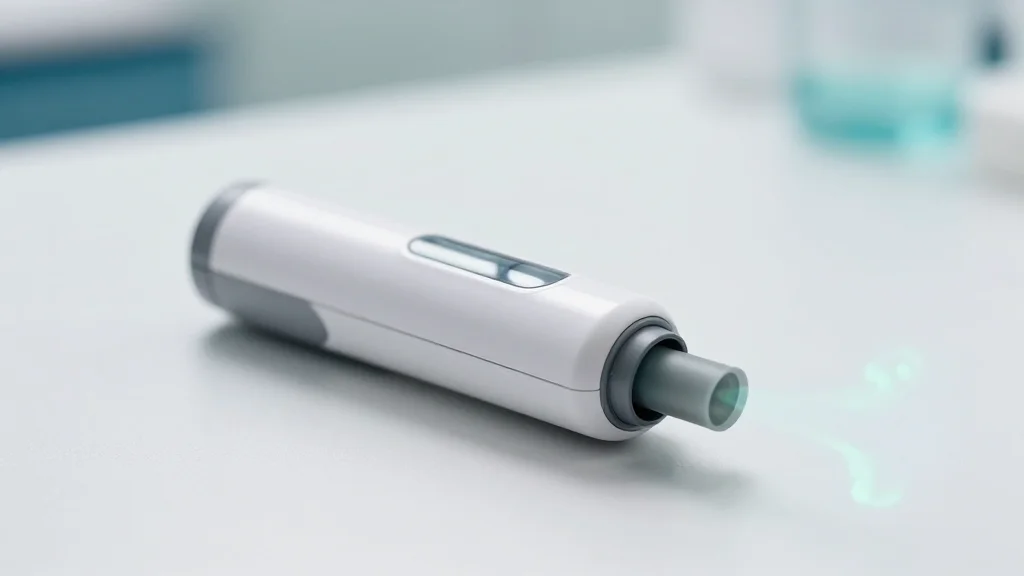
A Breath Test Reveals Infections Deep Inside Tissues
Why It Matters
A rapid, non‑invasive breath test could confirm active bacterial infections, reducing unnecessary antibiotic use and improving acute‑care decision‑making. It also offers a cheaper, simpler alternative to imaging modalities like PET.
Key Takeaways
- •^13C‑labeled sugars become ^13CO2 when metabolized by bacteria
- •Breath test detected deep infections in mice within minutes
- •CO2 signal dropped after 24‑hour antibiotic treatment, mirroring bacterial kill
- •Human translation faces sensitivity limits and high cost of labeled sugars
Pulse Analysis
Breath analysis has long been a staple for diagnosing stomach infections, but its reach has been limited to the gastrointestinal tract. By injecting ^13C‑enriched sugars directly into the bloodstream, researchers at the University of California, San Francisco have repurposed this concept for systemic bacterial detection. The sugars travel to infection sites, where bacterial metabolism releases ^13CO₂ that can be captured in exhaled air using infrared spectroscopy, delivering results in minutes rather than days.
The pre‑clinical study demonstrated the test’s versatility across multiple infection models—muscle, bone, lung and bloodstream—showing clear ^13CO₂ signatures that vanished after a single day of effective antibiotic therapy. This real‑time readout mirrors the metabolic information provided by PET scans, yet it is far less expensive and logistically simpler, suggesting a potential role in emergency rooms and intensive care units where rapid differentiation between bacterial and viral pneumonia is critical. By providing clinicians with immediate evidence of active bacterial metabolism, the technology could curb empiric antibiotic prescribing and help combat antimicrobial resistance.
Despite its promise, translating the breath test to human patients presents challenges. Bacterial loads in humans are typically lower than in mouse models, raising questions about detection sensitivity, while the production of ^13C‑labeled sugars remains costly. Ongoing work aims to identify a broader panel of metabolites that target diverse pathogens and to validate the approach in larger, clinically relevant animal models. If these hurdles are overcome, the test could become a game‑changing diagnostic tool, opening new revenue streams for biotech firms specializing in metabolic imaging and point‑of‑care diagnostics.
A breath test reveals infections deep inside tissues
Comments
Want to join the conversation?
Loading comments...