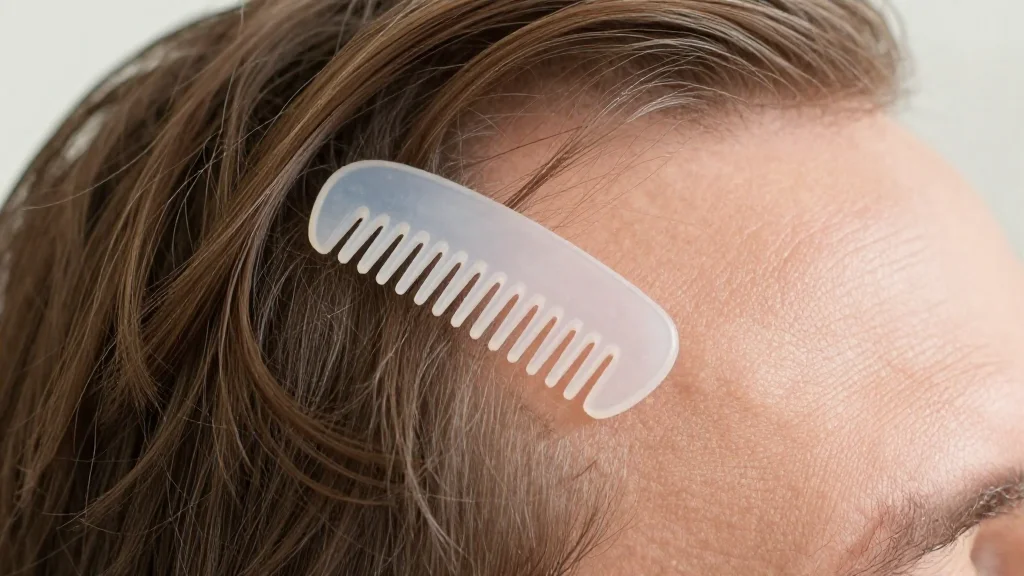
A Comb-Shaped, Silicone-Scaffolded Hydrogel Electrode for Stable Overnight EEG Acquisition in Assistive BCI Applications
Why It Matters
A durable, comfortable overnight EEG solution removes a key barrier to home‑based BCI assistive care, potentially reducing caregiver workload and expanding market adoption.
Key Takeaways
- •Comb‑shaped silicone scaffold prevents hydrogel dehydration overnight
- •Maintains stable scalp impedance for 8‑hour recordings
- •Achieves 97.3% SSVEP classification accuracy in real use
- •Cytotoxicity tests show no observable cell toxicity
Pulse Analysis
Nighttime monitoring has long been a stumbling block for brain‑computer interfaces, especially for older adults who need continuous assistance. Conventional wet electrodes dry out quickly, lose contact on hair‑covered scalp, and require frequent re‑application—limitations that make overnight use impractical. As the population ages, demand for unobtrusive, reliable neuro‑monitoring grows, driving research toward materials that can sustain high‑quality signals without compromising comfort.
The new comb‑shaped electrode tackles these challenges with a multilayered design. A polyvinyl alcohol/sodium alginate (PVA/SA) hydrogel provides a soft, compliant interface, while PEDOT:PSS coating enhances charge transfer at the skin‑electrode boundary. The silicone scaffold, shaped like a comb, presses the hydrogel into the hair follicles, ensuring uniform contact and dramatically slowing dehydration. In clinical‑grade tests, the device kept scalp impedance stable for eight hours and achieved 97.3% SSVEP classification accuracy, matching or exceeding traditional setups while supporting both hairless and hair‑bearing regions.
Beyond the lab, this breakthrough could accelerate the rollout of assistive BCI systems in home health and tele‑medicine. Reliable overnight EEG enables asynchronous control of smart environments, medication reminders, and emergency alerts without constant caregiver supervision. Manufacturers can leverage the biocompatibility data—showing no cytotoxic effects—to streamline regulatory approval, while the comfort profile eases user adoption. As the market for neuro‑technology expands, solutions that combine durability, safety, and ease of use will be pivotal in turning BCI from a research curiosity into a mainstream care tool.
A Comb-Shaped, Silicone-Scaffolded Hydrogel Electrode for Stable Overnight EEG Acquisition in Assistive BCI Applications
Comments
Want to join the conversation?
Loading comments...