A Fish That Hitches Rides Where the Sun Doesn’t Shine
Why It Matters
The discovery reshapes our view of marine symbiosis and raises potential health concerns for manta rays, informing future conservation strategies.
Key Takeaways
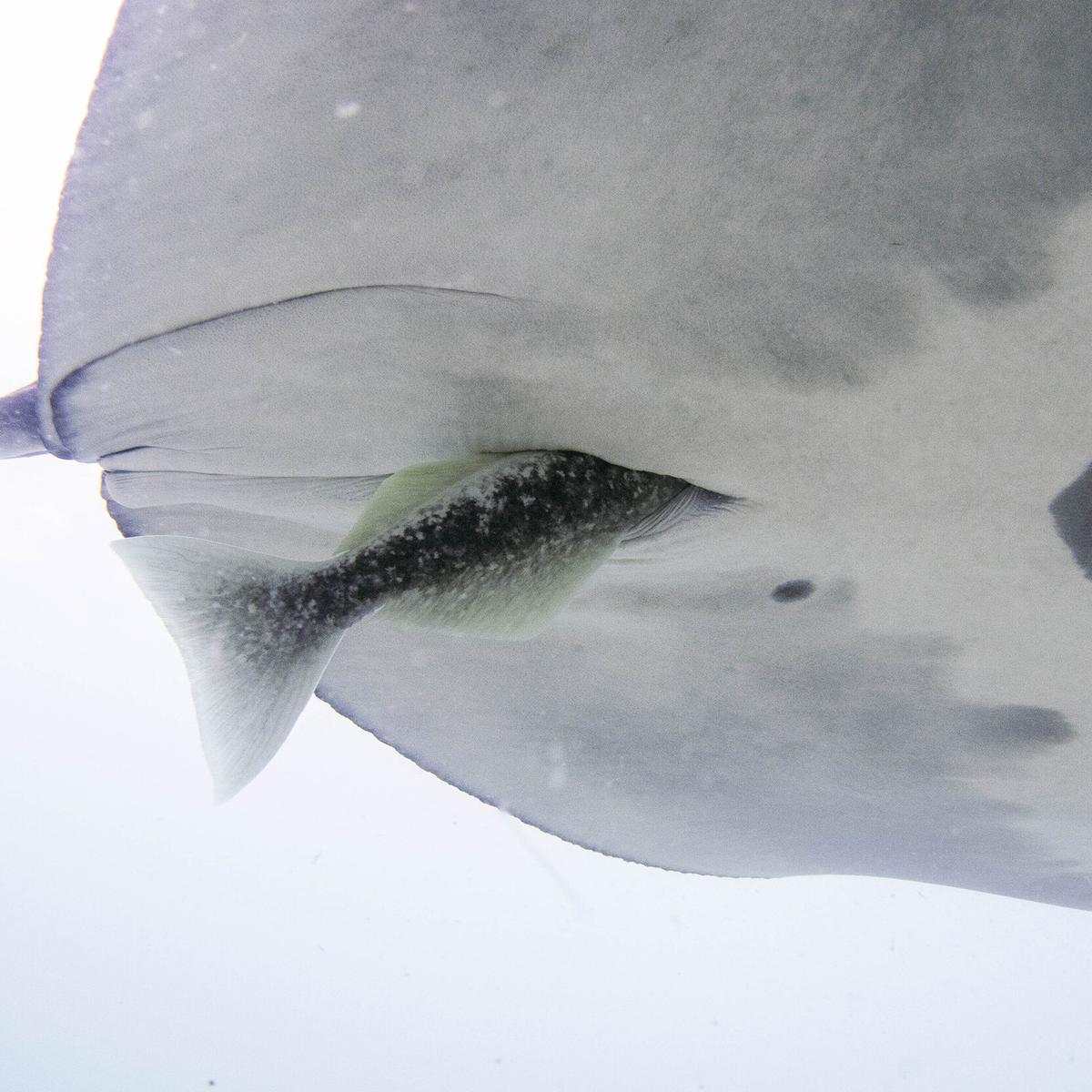
- •Remoras observed entering manta ray cloacae, termed “cloacal diving”.
- •Study documents seven instances across all three manta species (2010‑2025).
- •Behavior recorded in three ocean basins, suggesting widespread occurrence.
- •Prior reports only involved whale sharks; manta rays now added.
- •Researchers note manta rays appear uncomfortable with the intrusion.
Pulse Analysis
Remoras, often called suckerfish, have long been celebrated for their hitch‑hiking lifestyle, attaching to sharks, turtles, and whales to scavenge leftovers. This mutualistic relationship typically benefits both parties: the host gains parasite removal while the remora secures food and transport. The newly identified “cloacal diving” behavior, however, flips the script, showing the fish seeking refuge inside a host’s reproductive opening—a far more intimate and potentially stressful interaction for the larger animal.
The study, published in Ecology and Evolution, compiled seven verified sightings spanning 15 years and three ocean basins—Atlantic, Indo‑Pacific, and Southern. Researchers from the Marine Megafauna Foundation analyzed video footage and diver logs, confirming the behavior across all three known manta species: M. birostris, M. alfredi, and M. tarapacana. By documenting instances where the remora’s tail protruded or the fish was half‑exposed, the team demonstrated that the act is not a one‑off anomaly but a repeatable strategy that may aid the fish in evading predators or harsh currents.
Understanding this hidden facet of manta‑remora interaction carries weight for marine conservation. If the intrusion causes physiological stress or impedes the ray’s reproductive functions, it could influence population health, especially as manta rays face mounting threats from fishing nets and habitat loss. The findings encourage deeper investigations into the cost‑benefit balance of such symbioses and may prompt monitoring protocols that account for subtle behavioral disturbances alongside more obvious threats.
A Fish That Hitches Rides Where the Sun Doesn’t Shine
Comments
Want to join the conversation?
Loading comments...