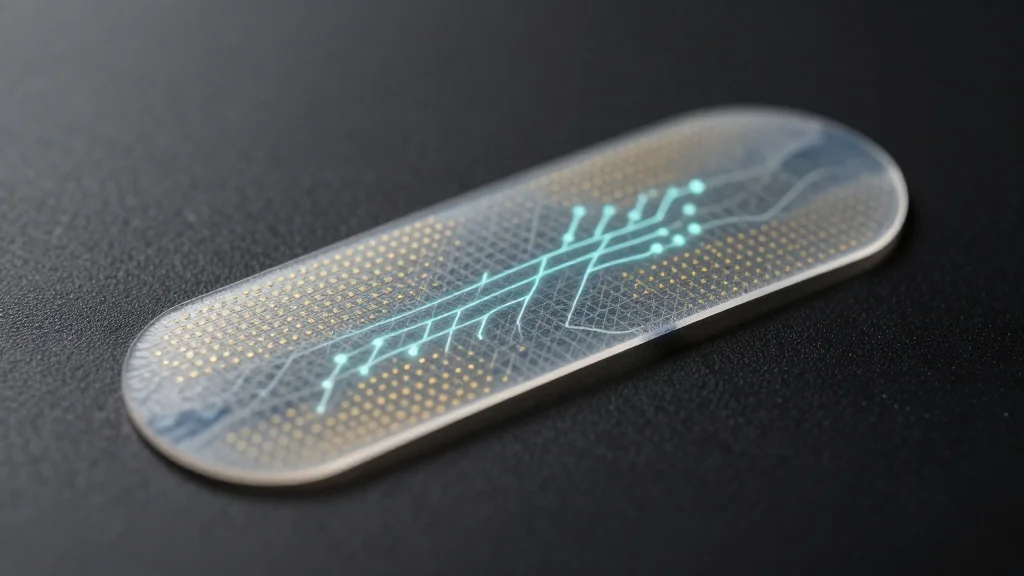
A Flexible Graphene-Based Neural Interface Can 'Speak and Listen' To the Brain
Companies Mentioned
Why It Matters
The breakthrough enables truly closed‑loop neuromodulation, paving the way for personalized treatments of disorders such as Parkinson’s disease and epilepsy. Its artifact‑free bidirectional capability could accelerate clinical adoption of next‑generation brain‑computer interfaces.
Key Takeaways
- •Graphene neural interface records ultra‑low frequency brain signals.
- •Integrated gFET transistors and rGO electrodes enable artifact‑free bidirectional communication.
- •Device tested in mice shows real‑time detection and adaptive stimulation.
- •Spin‑off INBRAIN completed first human safety trial of graphene implants.
- •Bidirectional platform could personalize therapies for Parkinson’s, epilepsy, and other disorders.
Pulse Analysis
Neural interfaces have long promised to bridge the gap between the brain and external devices, yet most commercial implants operate in a single direction—either sensing or stimulating. Conventional silicon‑based electrodes struggle with rigidity, limited bandwidth, and signal contamination, especially at the ultra‑low frequencies where many disease‑related biomarkers reside. Graphene, a one‑atom‑thick carbon lattice, offers unparalleled flexibility, conductivity, and biocompatibility, making it an attractive substrate for next‑generation neuroelectronics that must conform to the brain’s soft tissue while maintaining signal fidelity.
The newly reported platform combines two complementary graphene technologies: monolayer graphene field‑effect transistors (gFETs) that act as ultra‑sensitive amplifiers for low‑frequency neural oscillations, and nanoporous reduced graphene oxide (rGO) micro‑electrodes that deliver finely tuned electrical pulses. By co‑locating these components on a single flexible substrate, the researchers eliminated the artifact cross‑talk that typically blurs recording during stimulation. In mouse experiments, the device captured spontaneous brain rhythms and, upon detecting predefined patterns, issued corrective pulses without degrading the recording stream. This real‑time, closed‑loop operation demonstrates a practical path toward adaptive neuromodulation that can respond to the brain’s dynamic state.
Commercialization is already underway through INBRAIN Neuroelectronics, a spin‑off that has secured funding and completed a first‑in‑human safety study of graphene‑based implants. The ability to deliver patient‑specific, artifact‑free therapy positions the technology to capture a share of the burgeoning neurotechnology market, projected to exceed $10 billion by 2030. As regulatory bodies become more comfortable with flexible, biocompatible materials, the graphene interface could accelerate approvals for treatments of Parkinson’s, epilepsy, and emerging brain‑computer interface applications, reshaping how clinicians manage neurological disorders.
A flexible graphene-based neural interface can 'speak and listen' to the brain
Comments
Want to join the conversation?
Loading comments...