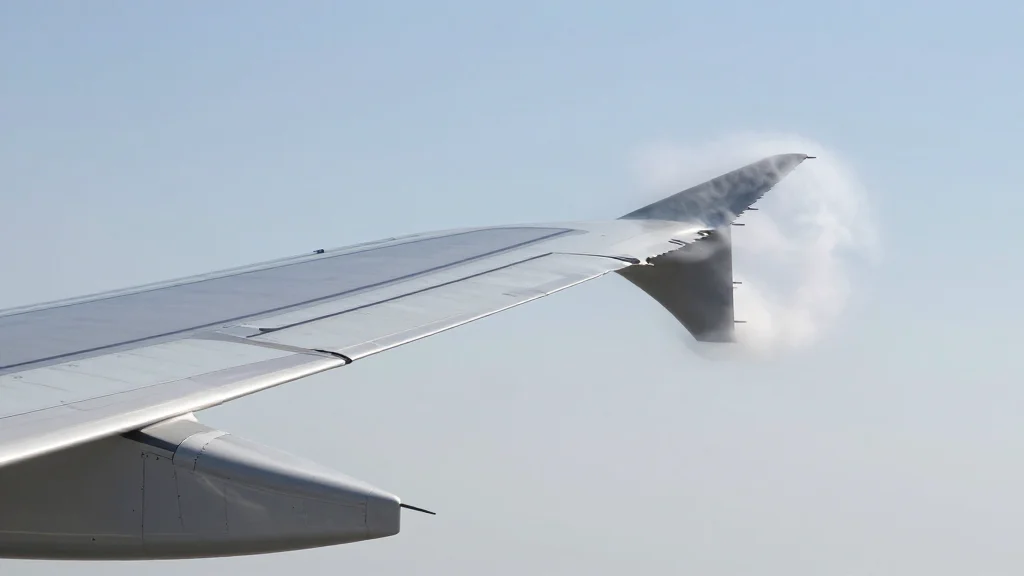
A Fundamental Principle of Aeronautical Engineering Has Been Overturned

Why It Matters
By slashing drag, DMR could dramatically lower fuel consumption and emissions across transport sectors, reshaping design standards that have persisted for decades.
Key Takeaways
- •DMR cuts aerodynamic drag by up to 43.6% in tests.
- •Micro‑roughness delays laminar‑to‑turbulent transition without visible texture.
- •Technique differs from shark‑skin grooves, using random fine irregularities.
- •Potential fuel savings could reach billions for commercial aviation.
- •Tohoku team builds on 1990s fibrous‑roughness research.
Pulse Analysis
Aerodynamic drag has long been the primary efficiency barrier for high‑speed vehicles. Engineers traditionally chased ever‑smoother skins, guided by Ichiro Tani’s 1940 work linking surface roughness to premature turbulence. The prevailing logic held that any microscopic imperfection amplified friction, forcing designers to invest heavily in precision manufacturing and costly polishing processes.
The breakthrough from Tohoku University flips that logic on its head. By engineering a distributed micro‑roughness—so fine it’s invisible to the naked eye—the researchers create a chaotic texture that disrupts the formation of large‑scale turbulent eddies. Laboratory wind‑tunnel tests recorded a 43.6% drag reduction compared with a conventionally polished surface, far surpassing the modest gains of shark‑skin riblets, which rely on aligned grooves to channel flow. Unlike riblets, DMR’s random pattern works across a broader range of Reynolds numbers, making it adaptable to varying speeds and operating conditions.
If commercialized, DMR could reshape the economics of aviation and rail. A 5% drag cut on a typical narrow‑body jet translates to roughly 2‑3% fuel savings, equating to hundreds of millions of dollars annually and a sizable carbon‑footprint reduction. Automakers and high‑speed train operators stand to benefit similarly, especially as regulatory pressure mounts for greener mobility. The next steps involve scaling the coating process, validating durability under real‑world wear, and integrating the technology into existing manufacturing lines. Success could usher in a new design paradigm where controlled micro‑roughness becomes a standard tool for performance optimization.
A Fundamental Principle of Aeronautical Engineering Has Been Overturned
Comments
Want to join the conversation?
Loading comments...