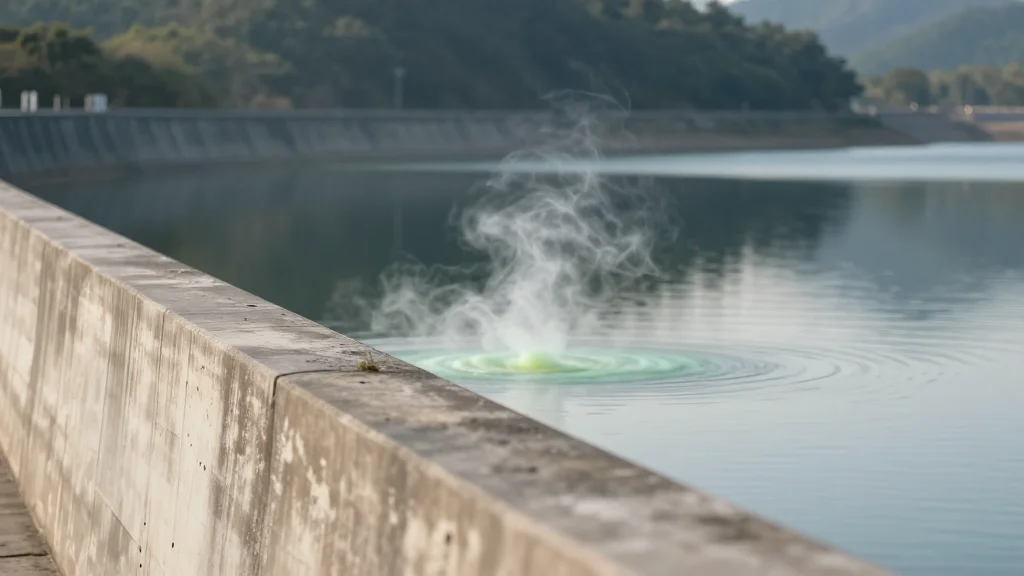
A Gas that Causes Climate Change Is Bubbling Out of Reservoirs
Companies Mentioned
Why It Matters
Unaccounted reservoir methane threatens California’s 40 % methane‑reduction target and could reshape the economics of hydropower projects, influencing investors and policymakers.
Key Takeaways
- •Reservoirs emit 10‑22 million metric tons of methane annually worldwide.
- •EPA 2022 estimate: flooded lands equal 44.4 Mt CO₂e, like U.S. steel sector.
- •California groups petition CARB to mandate reservoir methane reporting by July.
- •New airborne sensors aim to detect dispersed reservoir methane within years.
- •Hydropower’s carbon footprint can exceed coal per kWh in worst cases.
Pulse Analysis
Methane bubbles from submerged organic material, making reservoirs a surprisingly potent source of greenhouse gases. Recent EPA analysis places flooded lands on par with major industrial emitters, while peer‑reviewed studies suggest global reservoir emissions could reach up to 22 million metric tons annually. These figures challenge the long‑held perception of hydropower as a clean energy solution and raise questions about the true carbon intensity of existing and planned dams.
In California, the omission of reservoir methane from the state’s emissions inventory creates a blind spot in its climate strategy. The petition filed by a coalition of environmental NGOs and Patagonia urges the Air Resources Board to adopt mandatory reporting, aligning with the state’s 2030 goal of cutting methane 40 % below 2013 levels. Accurate accounting could force dam operators to adjust water‑level management, reconsider new projects such as the proposed Sites Reservoir, and potentially shift investment toward lower‑impact renewable alternatives.
Technological advances are poised to close the data gap. Companies like Carbon Mapper are deploying high‑resolution airborne spectrometers capable of isolating diffuse methane plumes that satellites miss. As these tools become operational, regulators will gain the granular insight needed to evaluate mitigation options, from seasonal drawdowns to vegetation removal before inundation. For investors and utilities, the emerging transparency signals a new risk factor: projects lacking robust methane mitigation plans may face stricter permitting, higher financing costs, or reputational backlash.
A gas that causes climate change is bubbling out of reservoirs
Comments
Want to join the conversation?
Loading comments...