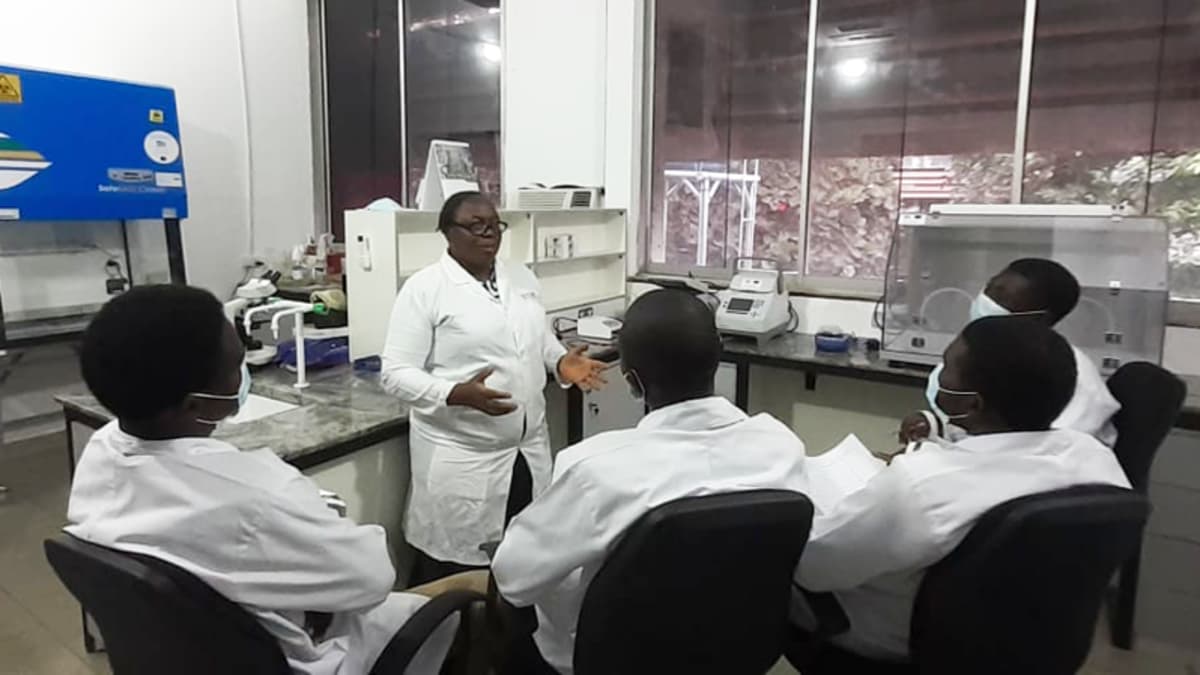
A Low-Cost Rotavirus Test Could Save Childrens’ Lives in Nigeria
Why It Matters
Rapid, affordable testing fills a critical gap where laboratory infrastructure is scarce, enabling faster treatment and better disease monitoring that can lower child mortality rates.
Key Takeaways
- •Kit achieves 88% sensitivity, outperforming ELISA’s 60% in trials
- •Uses cotton swab and antibody‑coated nanobeads, no electricity required
- •Validated in three Nigerian hospitals, delivering bedside results
- •Low‑cost design targets resource‑limited clinics and rural health centers
- •Supports rotavirus surveillance and vaccine effectiveness monitoring
Pulse Analysis
Rotavirus remains a leading cause of severe diarrhea in sub‑Saharan Africa, responsible for roughly half of pediatric hospitalizations and an estimated 48,000 child deaths each year in Nigeria alone. While vaccination programs have expanded, coverage gaps leave many children vulnerable, and without reliable diagnostics, clinicians often treat blindly. A robust testing strategy is essential not only for immediate patient care but also for tracking outbreak patterns and assessing vaccine impact in real time.
The newly developed kit by virologist Margaret Japhet leverages a simple cotton‑swab format combined with antibody‑coated nanobeads that turn blue when rotavirus is present. In head‑to‑head trials against ELISA and PCR, the prototype delivered 88% sensitivity—significantly higher than ELISA’s 60%—and performed well even with low viral loads. Crucially, the test requires no refrigeration, electricity, or highly trained personnel, making it suitable for bedside use in rural clinics where power and cold‑chain logistics are unreliable. Its low production cost and ease of use promise to democratize rotavirus detection across resource‑constrained health facilities.
Beyond the laboratory, the kit’s deployment could transform public‑health surveillance in Nigeria and neighboring countries. Real‑time data from point‑of‑care testing would enable health ministries to pinpoint hotspots, allocate vaccines more efficiently, and respond swiftly to emerging strains. Scaling the technology, however, hinges on sustained funding, supply‑chain stability for antibodies, and partnerships with local manufacturers. Japhet’s broader impact—building a molecular lab and mentoring the next generation of African scientists—adds a vital human capital dimension, ensuring that innovative solutions continue to emerge from within the continent’s own research ecosystem.
A low-cost rotavirus test could save childrens’ lives in Nigeria
Comments
Want to join the conversation?
Loading comments...