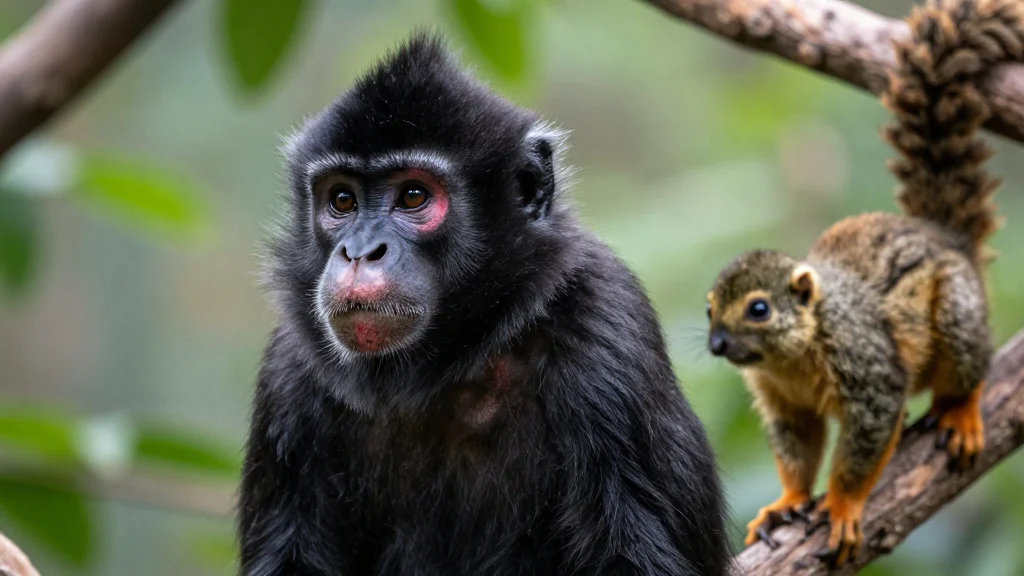
A Monkey Ate the Wrong Squirrel – and Started an Outbreak
Why It Matters
The confirmation of a rodent reservoir for mpox clarifies transmission pathways and informs surveillance strategies, reducing future zoonotic risk to humans and wildlife.
Key Takeaways
- •Fire‑footed rope squirrel identified as mpox reservoir in Ivory Coast
- •Identical MPXV genomes found in squirrel and infected mangabeys
- •Diet metabarcoding confirmed monkeys ate infected squirrel
- •Study highlights risk of zoonotic spillover to humans via hunting
- •Findings aid future surveillance of rodent reservoirs for mpox
Pulse Analysis
The monkey‑to‑squirrel transmission described in the recent Nature paper marks a milestone in orthopoxvirus research. Since the 2022 global mpox surge, scientists have struggled to pinpoint the natural reservoir of monkeypox virus (MPXV), a gap that hampers predictive modeling and outbreak prevention. By linking a dead fire‑footed rope squirrel (Funisciurus pyrropus) from Taï National Park to a fatal outbreak among captive sooty mangabeys, the study supplies the missing ecological bridge. This concrete evidence reshapes our understanding of how MPXV circulates in African rainforests.
The investigators combined classic necropsy, viral isolation, whole‑genome sequencing and diet metabarcoding to build a compelling case. Viable MPXV was recovered from the squirrel’s skin, lung and liver, and genomic comparison showed a perfect match with the strain that killed the mangabeys. Metabarcoding of monkey feces detected squirrel DNA, confirming ingestion. Such a multidisciplinary approach—melding field virology, molecular genetics and ecological forensics—sets a new standard for documenting spill‑over events, which are notoriously elusive in the wild.
Beyond academic insight, the findings raise immediate public‑health alarms. Fire‑footed rope squirrels are hunted for bushmeat across West and Central Africa, creating a direct pathway for MPXV to enter human communities. Coupled with the possibility of infected primates serving as intermediate hosts, the risk of a new zoonotic wave is tangible. Policymakers and health agencies should prioritize surveillance of rodent populations, enforce safe handling practices for bushmeat, and fund targeted vaccination strategies to preempt future mpox outbreaks.
A monkey ate the wrong squirrel – and started an outbreak
Comments
Want to join the conversation?
Loading comments...