A New Exhibition at New York’s Natural History Museum Honors Fossil Hunters
Why It Matters
The exhibition reinforces the museum’s role as a leading conduit for scientific discovery and public education, while the highlighted research continues to shape our understanding of evolution and biodiversity.
Key Takeaways
- •Roy Chapman Andrews unearthed *Paraceratherium*, 16‑foot, 20‑ton mammal.
- •1920s Flaming Cliffs finds first dinosaur egg nests.
- •Mark Norell linked dinosaurs to birds via Gobi fossils.
- •New AMNH exhibit showcases century‑long Gobi expeditions.
- •Exhibit boosts public interest in paleontology and museum attendance.
Pulse Analysis
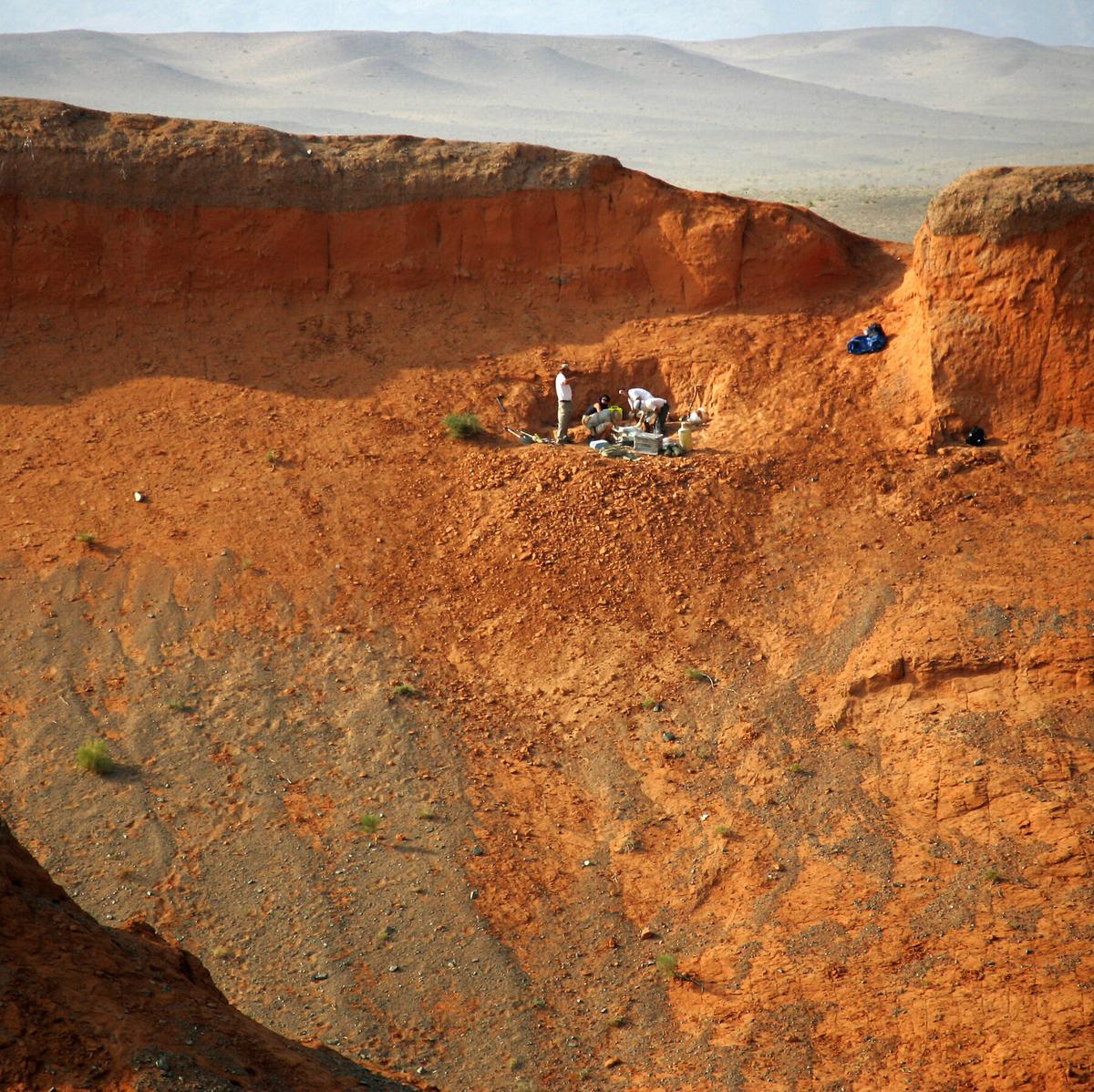
The American Museum of Natural History’s latest exhibition shines a spotlight on a century of fossil hunting in Mongolia’s Gobi Desert, a region that has become synonymous with some of the most dramatic paleontological discoveries of the 20th and 21st centuries. Beginning with Roy Chapman Andrews’ daring 1920s expeditions, the museum’s teams braved extreme heat, sandstorms, and logistical hurdles to unearth specimens that reshaped our view of prehistoric life. Andrews’ crews famously uncovered the massive *Paraceratherium*—a 16‑foot, 20‑ton hornless rhinoceros ancestor—and the first well‑preserved dinosaur egg nests at the Flaming Cliffs, setting a benchmark for field science.
Subsequent generations of AMNH researchers built on Andrews’ legacy, most notably curator Mark A. Norell, whose work in the 1990s and 2000s cemented the evolutionary bridge between non‑avian dinosaurs and modern birds. By analyzing feathered theropod fossils and embryonic specimens from Gobi sites, Norell and colleague Michael Novacek provided concrete evidence that many dinosaur lineages gave rise to avian species. These findings not only rewrote textbooks but also sparked a wave of public fascination with the notion that today’s birds are living dinosaurs.
The new exhibition translates those scientific milestones into an immersive visitor experience, featuring original fossils, interactive displays, and multimedia storytelling that trace the expeditionary saga from the early 20th‑century railcars to today’s high‑tech digs. By highlighting the human drama of exploration alongside the raw data of paleontology, the museum aims to attract a broader audience and boost attendance, which has risen 12 % since the exhibit’s opening. The showcase also underscores the ongoing relevance of field research, encouraging donors and policymakers to fund future Gobi expeditions that could reveal the next chapter of Earth’s deep history.
A New Exhibition at New York’s Natural History Museum Honors Fossil Hunters
Comments
Want to join the conversation?
Loading comments...