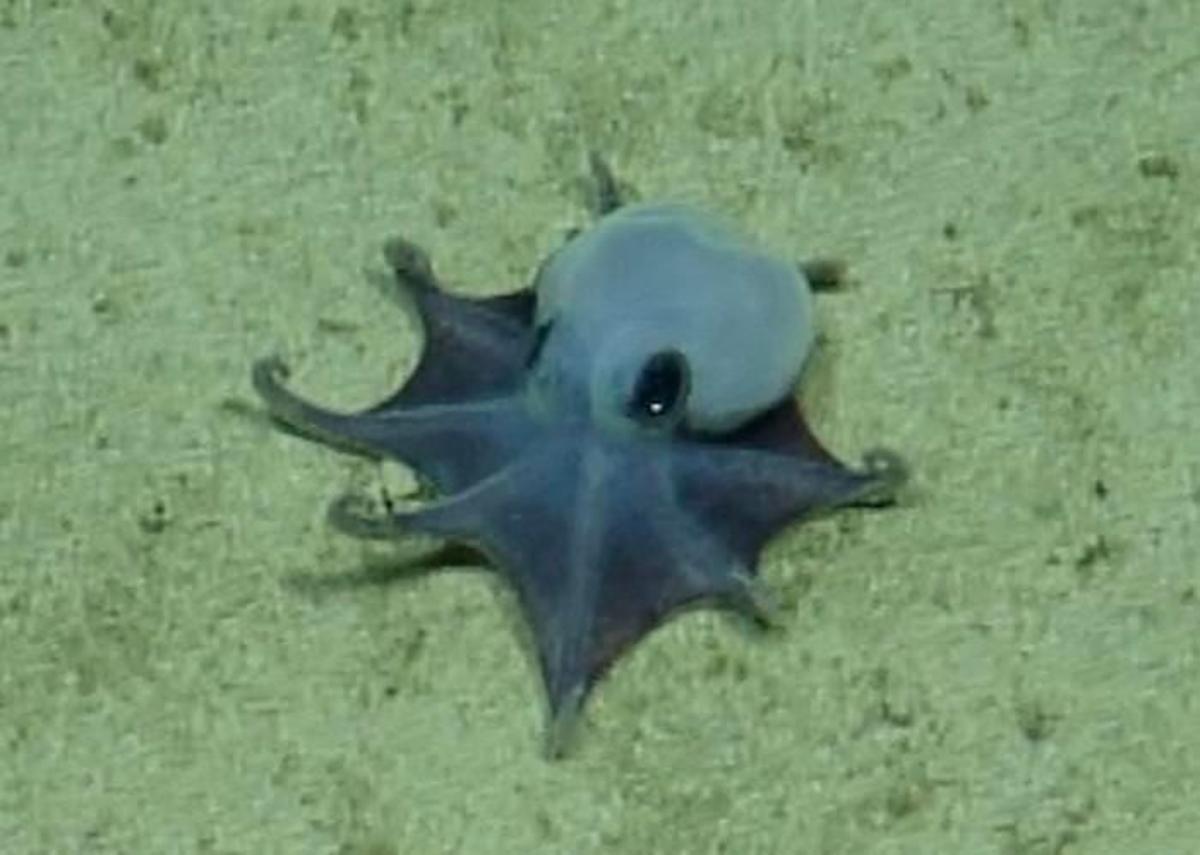
A New Species of Tiny Octopus Was Discovered in the Galápagos Islands
Why It Matters
The discovery expands known cephalopod diversity and demonstrates how non‑destructive imaging can preserve rare specimens while advancing taxonomy, reinforcing the need for deep‑sea research funding.
Key Takeaways
- •New deep‑sea octopus species discovered near Darwin Island
- •Specimen measured only a few centimeters, fits in hand
- •Researchers used CT micro‑scans to avoid dissecting specimen
- •Findings highlight vast unknown biodiversity in Pacific deep ocean
- •Non‑destructive imaging sets precedent for future type‑specimen studies
Pulse Analysis
The Pacific’s abyss continues to surprise scientists, and the recent identification of a diminutive blue octopus off the Galápagos illustrates that trend. At nearly 1,800 meters below the surface, the creature’s vivid coloration and minute size—just a few centimeters—make it one of the smallest known octopuses. Its discovery during a 2015 ROV survey adds to a growing list of deep‑sea organisms that have only been glimpsed through high‑tech submersibles, highlighting the ocean’s still‑vast frontier.
What sets this finding apart is the innovative use of X‑ray computed tomography to study the octopus without harming the sole specimen. By stitching together thousands of micro‑CT scans, researchers produced a comprehensive 3‑D model that revealed internal structures such as a distinctive funnel‑shaped organ and unusually sparse skin pigmentation. This nondestructive approach preserves the integrity of type specimens, a critical concern for taxonomists, and opens new pathways for classifying fragile deep‑sea life where traditional dissection is impractical.
Beyond taxonomy, the blue octopus serves as a reminder of the ocean’s hidden wealth and the urgency of protecting it. Each expedition that uncovers a new species reinforces the argument for sustained investment in deep‑sea exploration, marine reserves, and climate‑resilient policies. As scientists map these uncharted ecosystems, they not only enrich our biological knowledge but also inform conservation strategies that could safeguard countless yet‑to‑be‑discovered organisms. The discovery thus resonates far beyond academic circles, influencing policy, funding, and public awareness about the planet’s largest, most mysterious habitat.
A New Species of Tiny Octopus Was Discovered in the Galápagos Islands
Comments
Want to join the conversation?
Loading comments...